Text neck, often referred to as the modern-day “nerd neck,” has become an all-too-common problem in today’s world of smartphones, laptops, and long hours spent hunched over screens.
But what if a simple tool, like a shoulder strap, could help reverse this condition?
In this article, bestforwardheadposturefix.com will explore how a shoulder strap can be a game-changer in fixing text neck, supported by scientific evidence and practical tips.
Contents of this Article:
- Understanding Text Neck and Why It’s a Problem
- How a Shoulder Strap Can Help Fix Text Neck
- How to Fix Text Neck While Sleeping
- How to Correct Text Neck Posture with Shoulder Straps
- Using a Shoulder Strap to Help Posture: The Science
- How to Get Rid of Text Neck Hump
- FAQs on Fixing Computer Neck with Shoulder Strap
- Conclusion: Can a Shoulder Strap Really Fix Text Neck?
Understanding Text Neck and Why It is a Problem
Text neck is a condition that occurs when you tilt your head forward for extended periods, such as when looking at a phone, tablet, or laptop.
This forward head posture places significant strain on the cervical spine (neck), leading to discomfort, pain, and even long-term structural changes.
In fact, according to a study published in Surgical Technology International, every inch your head moves forward from its neutral position adds 10 pounds of pressure on your neck muscles.
This strain can cause a range of symptoms, from headaches and upper back pain to the formation of a noticeable “text neck hump” at the base of the neck.
If not corrected, text neck can worsen over time, contributing to chronic pain and poor posture.

How a Shoulder Strap Can Help Fix Text Neck?
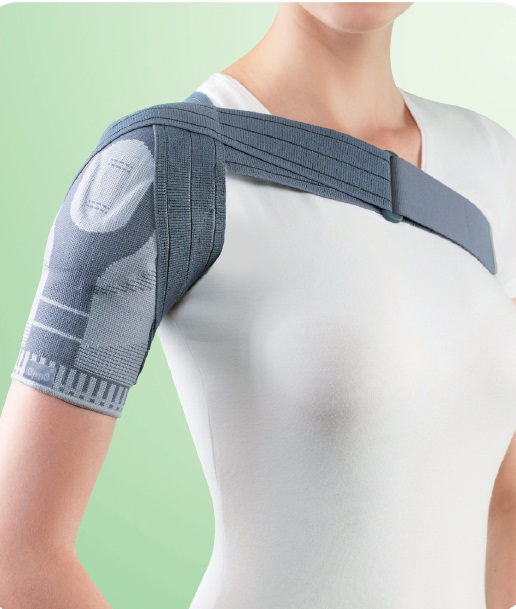
One solution to correcting text neck is using a shoulder strap posture corrector.
These straps are designed to gently pull your shoulders back, aligning your neck and spine in a neutral position.
By promoting proper posture, the shoulder strap reduces the strain on your neck muscles, encouraging a more upright stance.
But does it really work?
According to a study from the Journal of Physical Therapy Science, posture-correcting devices like shoulder straps can effectively reduce forward head posture and improve overall spinal alignment.
The key is using the strap consistently over time, along with other ergonomic adjustments to your daily routine.
How to Fix Text Neck While Sleeping?
Many people do not realize that their sleeping position can worsen or improve their text neck. Proper pillow alignment is crucial in how to fix text neck while sleeping.
When you sleep with your head tilted too far forward or backward, you put strain on your cervical spine, exacerbating the issue.
To fix text neck while sleeping, consider using a memory foam or cervical pillow that supports the natural curve of your neck.
Your pillow should keep your head in line with your spine, preventing any unnatural bending.
Pairing this with daytime use of a shoulder strap posture corrector can make a significant difference in how quickly you see improvements.
How to Correct Text Neck Posture with Shoulder Straps?
Fixing text neck requires a combination of active and passive posture correction. A shoulder strap to help posture can play a crucial role in passively retraining your muscles.
Here is how to use it effectively:
- Adjust the strap properly: Ensure that the shoulder strap fits snugly but not too tight. It should pull your shoulders gently back without causing discomfort.
- Wear it consistently: Use the shoulder strap for a few hours each day, especially during activities where you’re prone to slouching, such as working at a desk or using your phone.
- Combine with exercises: While the strap helps to passively correct text neck, it is essential to pair it with exercises that strengthen the muscles supporting your neck and back (such as Y-T-W exercises). Exercises like chin tucks, neck stretches, and rows can accelerate your progress.
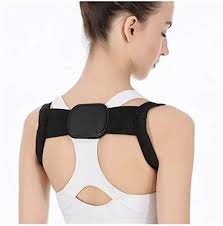
This dual approach of passive and active correction is supported by research from the American Journal of Physical Medicine & Rehabilitation, which highlights the importance of combining posture correction devices with muscle-strengthening activities to see lasting improvements.
Using a Shoulder Strap to Help Posture: The Science
The effectiveness of a shoulder strap to help posture lies in its ability to retrain your muscle memory.
When you wear the strap, it forces your body into a more upright position, slowly conditioning your muscles to hold this alignment without assistance over time.
The strap to keep shoulders back reduces the strain on your upper back and neck, alleviating the pain associated with text neck.
A 2018 study published in Medical Science Monitor found that posture correction straps, when used regularly, can significantly improve posture and reduce musculoskeletal discomfort in patients with forward head posture.
The shoulder strap posture corrector essentially teaches your muscles how to maintain a proper stance, even when you’re not wearing it.
How to Get Rid of Text Neck Hump?
One of the most noticeable consequences of prolonged text neck is the development of a “text neck hump” at the base of the neck.
This hump forms as the cervical spine compensates for the forward head posture by curving outward. It not only looks unappealing but also causes pain and stiffness.
To get rid of the text neck hump, you need a two-pronged approach:
- Posture correction: Using a shoulder strap posture corrector helps align the neck and spine, reducing the curvature that causes the hump.
- Strengthening and stretching: Incorporate exercises that stretch tight neck muscles and strengthen the muscles that support proper posture. Chin tucks, scapular squeezes, and thoracic spine extensions are particularly effective in reducing the hump.
Additionally, paying attention to your posture throughout the day—whether you are standing, sitting, or sleeping—is crucial for preventing the hump from worsening.
FAQs on Fixing Computer Neck with Shoulder Strap
Text neck, a condition resulting from prolonged forward head posture, can lead to discomfort and pain. Utilizing a shoulder strap correctly can help alleviate this issue.
Here are some unique FAQs on how to fix text neck with a shoulder strap:
Q-1: What is text neck and how does a shoulder strap help fix it?
A-1: Text neck refers to the strain placed on the cervical spine due to prolonged forward head posture, commonly from smartphone and laptop use.
In the United States, studies suggest that over 65% of adults spend more than 5 hours daily on screens, increasing the risk of neck and upper back issues.
A shoulder strap, often called a posture corrector, works by gently pulling the shoulders back into proper alignment. This reduces stress on the neck, spine, and upper back muscles.
By repositioning the shoulder blades and cervical region, it helps retrain your body to maintain a healthier posture over time.
Q-2: How do you use a shoulder posture corrector strap properly?
A-2: To use a shoulder strap correctly, wear it so that it comfortably pulls your shoulders slightly back without causing pain.
The strap should align your upper back and keep your chest open while allowing natural movement.
Start by wearing it for 15–30 minutes per day, gradually increasing usage as your body adapts.
In the U.S., many physical therapists recommend combining strap use with posture awareness to maximize benefits.
Proper use ensures that the strap supports the spine and shoulder joints without over-restricting movement, making it an effective tool for correcting posture habits.
Q-3: Can a shoulder strap really fix forward head posture?
A-3: A shoulder strap can significantly improve forward head posture, but it is not a standalone solution. It works best as a training tool that reminds your body to maintain proper alignment.
In the U.S., where sedentary lifestyles are common, about 70% of office workers report posture-related discomfort, highlighting the need for supportive tools. The strap helps reposition the shoulders, which indirectly aligns the head over the spine.
However, lasting correction requires strengthening the neck, upper back, and core muscles alongside consistent posture awareness.
Q-4: How long should you wear a posture strap daily?
A-4: Most experts recommend wearing a posture strap for 30 to 60 minutes per day initially, gradually increasing to a maximum of 2–3 hours if needed.
Wearing it all day is not advised, as it may lead to muscle dependency. In the U.S., posture correction programs emphasize balance—using supportive devices while actively engaging muscles.
Short, consistent sessions help train the muscles of the upper back and shoulders to hold proper posture naturally, reducing reliance on the strap over time.
Q-5: Does a shoulder brace help relieve neck pain from phone use?
A-5: Yes, a shoulder brace can help reduce neck pain caused by excessive phone use. By correcting shoulder alignment, it reduces the forward pull on the neck, decreasing strain on the cervical spine.
In the U.S., neck pain affects nearly 1 in 3 adults, often linked to prolonged screen time. The brace redistributes weight across the upper body, easing tension in the neck muscles and upper trapezius.
While it provides relief, combining it with ergonomic changes and regular breaks enhances its effectiveness.
Q-6: Can a posture strap permanently correct text neck?
A-6: A posture strap alone cannot permanently fix text neck, but it can play a significant role in the correction process.
Permanent improvement comes from building strength and changing daily habits.
In the U.S., long-term posture correction strategies often include exercise, ergonomic adjustments, and behavioral changes. The strap acts as a guide, helping your body learn proper alignment.
Over time, as the spinal muscles and ligaments strengthen, you rely less on the device and maintain good posture naturally.
Q-7: What exercises should you combine with a shoulder strap?
A-7: To maximize results, combine shoulder strap use with exercises that strengthen the upper back and improve flexibility.
Effective movements include rows, shoulder blade squeezes, and chest stretches. These exercises target the rhomboids, trapezius, and thoracic spine, which are essential for maintaining good posture.
In the U.S., fitness experts recommend integrating such exercises into daily routines, especially for desk workers. Strengthening these muscle groups ensures that posture improvements are not just temporary but sustainable.
Q-8: Is a shoulder strap better than a neck brace for text neck?
A-8: A shoulder strap is generally more effective than a neck brace for correcting text neck because it addresses the root cause—poor shoulder alignment.
Neck braces mainly support the cervical area but do not correct the position of the shoulders. In the U.S., posture correction trends favor solutions that target the entire upper body rather than isolated areas.
By aligning the shoulders and upper spine, a strap provides a more comprehensive approach to improving posture and reducing strain.
Q-9: Does a shoulder strap reduce pressure on the cervical spine?
A-9: Yes, a shoulder strap helps reduce pressure on the cervical spine by improving overall posture.
When the shoulders are pulled back, the head naturally aligns over the spine, decreasing the load on the neck. Research suggests that forward head posture can increase neck strain by up to 60%, making correction essential.
In the U.S., where screen usage is high, reducing this pressure can significantly lower the risk of chronic neck pain. Proper alignment distributes weight evenly across the spine and supporting muscles.
Q-10: Can you wear a posture strap while working at a desk?
A-10: Yes, a posture strap can be worn while working at a desk, especially during long hours of sitting. It serves as a constant reminder to maintain proper posture.
In the U.S., where many professionals spend 6–8 hours daily at desks, such tools are becoming increasingly popular. However, it’s important to combine its use with ergonomic adjustments, such as proper chair height and screen positioning.
This ensures that the neck, shoulders, and lower back remain aligned throughout the workday.
Q-11: How quickly can you see results using a shoulder strap?
A-11: Initial improvements in posture awareness can be noticed within 1 to 2 weeks of consistent use.
More visible changes, such as reduced forward head posture and improved alignment, typically occur within 4 to 8 weeks. In the U.S., posture correction programs often emphasize consistency and gradual progress.
The combination of strap use, exercise, and habit changes leads to long-term results. Over time, the muscles and joints adapt, making good posture feel more natural.
Q-12: What is the best way to fix text neck naturally with a shoulder strap?
A-12: The best approach is to use a shoulder strap as part of a comprehensive strategy.
This includes regular exercise, ergonomic adjustments, and limiting prolonged screen time. In the U.S., where digital device usage is widespread, adopting healthier habits is essential. Use the strap for short periods daily, perform strengthening exercises, and take breaks every 30–60 minutes.
This combined approach targets the cervical spine, shoulders, and upper back, helping you achieve lasting posture correction without over-reliance on any single method.
Free Tip of the Day:
Fixing text neck with a shoulder strap is both practical and effective when done correctly.
With rising screen time across the United States, posture-related issues are becoming increasingly common, affecting millions of people.
A shoulder strap offers a simple yet powerful way to retrain your body by improving shoulder alignment and reducing strain on the neck and spine.
However, it is not a magic solution. True, lasting results come from combining the strap with strengthening exercises, ergonomic improvements, and mindful daily habits.
By addressing the root causes—like prolonged sitting and poor device usage—you can significantly improve your posture and reduce discomfort.
Consistency is the real game-changer. When used wisely, a shoulder strap becomes less of a crutch and more of a coach, guiding your body toward better alignment.
Over time, this leads to improved comfort, reduced pain, and a healthier spine—helping you stand taller and move more confidently in everyday life.
Can a Shoulder Strap Really Fix Text Neck?
So, can a shoulder strap truly fix text neck?
The answer is yes, but with a catch.
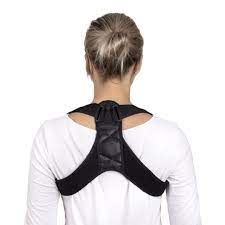
While a shoulder strap posture corrector is an excellent tool for improving posture and relieving neck strain, it’s not a magic bullet.
To fully fix text neck, you need to combine the use of the shoulder strap with lifestyle changes, including ergonomic adjustments to your work, learning the correct sleep position and a regular exercise routine to strengthen the muscles supporting your neck and spine.
The shoulder strap acts as a support system, encouraging better posture, but it works best when used in conjunction with active efforts to correct your habits.
When worn regularly and combined with proper exercises, a shoulder strap can effectively reduce the symptoms of text neck, help you get rid of the text neck hump, and restore natural alignment to your spine.
References: