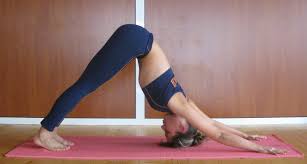
Forward head posture, often called “text neck” or “nerd neck,” is a common issue in today’s digital world.
With hours spent staring at screens, many people develop this posture, where the head leans forward and the upper spine rounds, causing tension in the neck, shoulders, and back.
Left untreated, it can lead to chronic pain and other health issues. Fortunately, yoga, specifically the Downward Dog pose (Adho Mukha Svanasana), offers an effective solution.
In this article, bestforwardheadposturefix.com explore how the Downward Dog yoga pose can help fix forward head posture, backed by scientific evidence.
Article Index:
- What is Forward Head Posture?
- How Downward Dog Fixes Forward Head Posture
- Step-by-Step Guide to the Downward Dog Pose
- The Science Behind Downward Dog’s Effectiveness
- Modifications for Beginners: 3-Legged Dog Yoga
- Benefits of Practicing the Downward Facing Dog Position Regularly
- FAQs on Fixing iPosture with Downward Dog Yoga Pose
- Conclusion: Can Downward Dog Truly Fix Forward Head Posture?
What is Forward Head Posture?
Forward head posture occurs when the head protrudes in front of the shoulders rather than sitting directly on top of them, causing misalignment in the spine.
This posture is often the result of prolonged screen time, poor ergonomics, and lack of awareness about posture.
It is not just a cosmetic issue; forward head posture increases stress on the cervical spine, leading to tension headaches, neck pain, shoulder discomfort, and even breathing problems.
Correcting this posture involves realigning the spine, strengthening the muscles that support the head and neck, and improving flexibility. Yoga, especially poses like Downward Dog or Cobra, is a holistic way to address this issue.
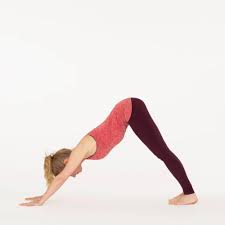
How Downward Dog Fixes Forward Head Posture?
The Downward Dog (Adho Mukha Svanasana) is one of the most well-known yoga poses, often featured in various forms of yoga practice.
This pose stretches and strengthens key areas of the body that are directly involved in posture, including the neck, shoulders, and upper back.
It lengthens the spine and encourages proper alignment, helping to counteract the forward pull of the head.
Why Downward Dog?
The downward facing dog pose stretches the entire posterior chain, from the calves to the neck, and opens the shoulders, allowing the head to return to its natural alignment with the spine.
The pose also strengthens the core and upper body muscles, which play a critical role in supporting good posture.
As a weight-bearing pose, it helps to build stability in the muscles of the upper back, which are often weak in individuals with forward head posture.
Step-by-Step Guide to the Downward Dog Pose
If you’re new to Downward Dog, follow these steps to ensure you’re performing the pose correctly:
- Start in a Tabletop Position: Begin on all fours, with your hands shoulder-width apart and your knees hip-width apart. Your wrists should be directly under your shoulders, and your knees should be below your hips.
- Lift Your Hips: Tuck your toes under and, on an exhale, lift your hips toward the ceiling. Straighten your legs as much as possible while maintaining a slight bend in your knees if necessary. Your body should form an inverted V-shape.
- Align Your Neck: The key to fixing forward head posture in the Downward Dog stretch is to keep your neck long and aligned with your spine. Avoid letting your head hang. Instead, gently tuck your chin and gaze toward your knees or navel.
- Press Into Your Hands: Spread your fingers wide and press firmly into the mat, distributing your weight evenly between your hands and feet. This helps open the shoulders and further engage the upper back.
- Hold and Breathe: Hold the downward dog yoga pose for 30 seconds to a minute, taking slow, deep breaths. With each exhale, try to lift your hips higher and lengthen your spine while keeping your neck relaxed.
- Release Gently: After holding the pose, bend your knees and slowly lower back to the tabletop position.
The Science Behind Downward Dog’s Effectiveness
Research shows that yoga, particularly poses like Downward Dog, improves both flexibility and muscle strength, which are crucial for fixing postural issues.
A study published in the International Journal of Yoga found that practicing yoga poses like Adho Mukha Asana helps lengthen tight muscles and strengthen weaker ones, contributing to better spinal alignment.
The downward dog position in yoga targets the posterior chain, which includes muscles like the hamstrings, calves, glutes, and erector spinae.
These muscles are often neglected in modern lifestyles, leading to muscle imbalances that contribute to poor posture. By regularly practicing the downward facing dog stretch, you engage these muscles and restore proper alignment to the spine.
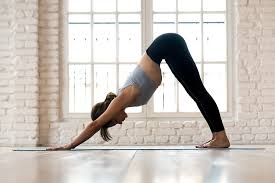
Modifications for Beginners: 3-Legged Dog Yoga
For beginners or those with limited flexibility, Downward Dog can be challenging.
A modified version of the pose, called the 3-Legged Dog yoga pose, can help ease into the full expression of the posture.
To Perform 3-Legged Dog:
- From the standard Downward Dog position, lift one leg toward the ceiling, keeping your hips square.
- Hold for a few breaths, then switch legs.
- This modification helps improve balance and flexibility while still working the same muscle groups.
This variation allows beginners to gradually increase their strength and flexibility while still reaping the posture-correcting benefits of Downward Dog.
Benefits of Practicing the Downward Facing Dog Position Regularly
The downward facing dog position offers a range of benefits beyond just posture correction. Practicing this pose regularly can:
- Relieve tension: The Downward Dog pose stretches the spine, neck, and shoulders, which can reduce the tension caused by poor posture.
- Build strength: Holding this pose engages the core, arms, and legs, helping build muscle strength that supports good posture.
- Improve flexibility: Stretching the hamstrings, calves, and lower back improves overall flexibility, which can prevent future postural problems.
- Boost circulation: The inverted nature of the pose encourages blood flow to the brain, improving focus and reducing stress.
According to a study published in the Journal of Physical Therapy Science, regular yoga practice, including poses like Downward Dog, enhances muscular flexibility and endurance, which are essential for maintaining healthy posture.
FAQs on Fixing iPosture with Downward Dog Yoga Pose:
Can Downward Dog Truly Fix Forward Head Posture?
So, can Downward Dog fix forward head posture?
The answer is a resounding yes, when practiced regularly and correctly.
The downward facing dog yoga pose is a powerful tool for addressing the muscle imbalances and tightness that lead to forward head posture. It stretches and strengthens the neck, shoulders, and upper back while promoting spinal alignment.
However, it is important to note that yoga should be part of a comprehensive approach to fixing posture. Along with exercises like Downward Dog, attention to ergonomics, mindful movement, and lifestyle changes will lead to long-term improvements in posture.
By incorporating Downward Dog into your daily routine, you’ll not only fix forward head posture but also enhance your overall strength, flexibility, and well-being.
Recommended: