
As someone who has struggled with being overweight for most of my adult life, I have experienced firsthand the surprising ways that extra body weight can impact your posture.
You may not realize it at first, but as the pounds add up, the strain on your body increases too. One area that’s particularly vulnerable to this added stress is your neck—more specifically, your cervical spine.
Over time, I noticed my head starting to “slide forward” more, and little did I know that this was setting the stage for forward head posture, a condition that does not just look uncomfortable but can be quite painful and harmful in the long run.
But how exactly does weight contribute to forward head posture?
In this article, bestforwardheadposturefix.com shall share their personal experience with weight and neck posture and explain the science behind how these two factors are connected.
In This Article:
- What is Forward Head Posture?
- How Being Overweight Impacts Posture
- The Science Behind Weight and Forward Head Posture
- Everyday Activities Where Extra Weight Affects Your Neck
- Can Weight Loss Help Correct Forward Head Posture?
- Exercises to Fix Forward Head Posture in Overweight Individuals
- FAQs on Extra Body Weight & Nerd Neck
- Conclusion: Can Weight Really Impact Forward Head Posture?
What is Forward Head Posture?
Forward head posture (FHP) occurs when your head moves ahead of its natural alignment, often caused by spending long hours looking down at devices or sitting at a desk with poor ergonomics.
Normally, your head should sit directly above your shoulders, but with forward head posture, it juts out, putting strain on the neck and upper back muscles.
This condition, which can lead to pain, stiffness, and even long-term spinal problems, becomes even more problematic when combined with being overweight.
FYI: I know I am repeating myself here, as in most other articles that I’ve posted on my blog, this explanation seems to be similar.
Nonetheless, it is vital I explain what a poor neck posture is, so that people understand the need to fix it.
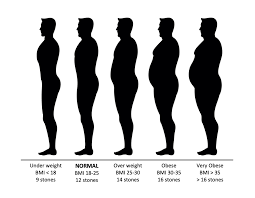
How Being Overweight Impacts Posture?
When you carry extra weight, especially in your torso and upper body, it shifts your center of gravity forward.
As someone who has battled obesity, I can attest that even simple tasks like standing up from a chair or bending down to tie my shoes required more effort than they should have.
Over time, I noticed that I was unknowingly compensating for the extra weight by leaning forward, which caused my head to gradually move out of alignment with my spine thereby putting unnecessary strain on my lumbar spine.
But it was not just about how I stood or moved. My extra weight made it harder to maintain proper posture while sitting at a desk for long hours.
I would slouch or hunch forward without even realizing it, further contributing to my forward head posture. And it wasn’t just a cosmetic issue; I began to feel pain in my neck, shoulders, and even lower back.
The Science Behind Body Weight and Forward Head Posture
The connection between weight and forward head posture isn’t just anecdotal—it is backed by science.
A study published in the journal Spine found that overweight individuals are more likely to develop poor posture due to the extra load placed on the spine.
Carrying excess body weight puts additional strain on the muscles and ligaments that support the neck and upper back, causing them to fatigue faster and making it harder to maintain an upright posture.
Over time, this can lead to chronic issues such as kyphosis, an exaggerated curve of the upper spine, and of course, forward head posture.
In addition to muscle strain, obesity can also contribute to degenerative disc disease. The intervertebral discs in the spine act as shock absorbers, but when the spine is under constant stress from excess weight, these discs can begin to deteriorate more quickly.
This degeneration can lead to a loss of the spine’s natural curvature and make forward head posture even more pronounced.
Everyday Activities Where Extra Weight Affects Your Neck
You might be surprised by how many everyday activities are impacted by weight and contribute to forward head posture.
From my personal experience, even the simplest tasks became sources of strain.
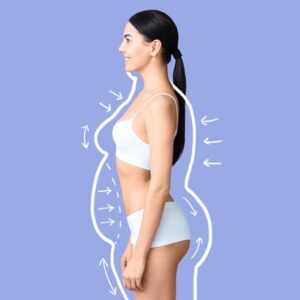
Sitting at a Desk:
As someone who works long hours in front of a computer, I have found that my extra weight makes it hard to sit upright for extended periods.
I often end up hunching forward, which puts added stress on my neck.
Looking at my Phone:
Like many people, I spend a lot of time looking down at my phone.
But with the extra weight pulling my body forward, my head naturally falls even farther ahead of my shoulders, worsening my forward head posture.
Lifting Objects:
When you are overweight, bending down to pick something up often involves a lot of extra effort.
To compensate, I would literally have to lean forward, which shifted my head out of alignment and put more strain on my neck.
Standing in Line:
Even just standing still for long periods becomes tiring when you’re carrying extra weight.
I found myself leaning forward to redistribute the weight, unknowingly contributing to my forward head posture.
These simple, everyday tasks do not seem like much on their own, but when repeated over time, they can significantly affect your posture.
Can Weight Loss Help Correct Forward Head Posture?
While losing weight cannot magically fix forward head posture overnight, it can certainly make it easier to correct.
As I started shedding pounds, I noticed that my posture began to improve, simply because my body wasn’t under as much stress. With less weight pulling me forward, it became easier to hold my head in its proper position.
Scientific evidence supports this as well.
A study published in The Journal of Physical Therapy Science showed that reducing body weight can decrease the load on the spine, improving both posture and overall spinal health.
However, it is important to note that weight loss alone would not completely fix nerd neck posture—corrective exercises and posture awareness are also key to long-term improvement.
Exercises to Fix Forward Head Posture in Overweight Individuals
As I worked on correcting my bad neck posture, I incorporated a few simple exercises into my daily routine that made a big difference.
Here are 3 of the most effective ones that I found helpful:
- Chin Tucks: While standing or sitting up straight, gently tuck your chin toward your chest as if you’re trying to create a double chin. Hold for 5 seconds and repeat 10–15 times. This exercise strengthens the muscles that support your neck and help pull your head back into alignment.
- Shoulder Blade Squeezes: Sit or stand with your back straight and squeeze your shoulder blades together, as if you’re trying to hold a pencil between them. Hold for 5 seconds and repeat 10–15 times. This strengthens the upper back muscles, which are often weakened by poor posture.
- Wall Angels: Stand with your back flat against a wall, your arms bent at 90 degrees, and your elbows at shoulder height. Slowly raise and lower your arms as if making a snow angel. This exercise helps improve the flexibility and strength of the muscles that support good posture.

These exercises, combined with weight loss and posture awareness, can help improve forward head posture significantly over time.
FAQs on Extra Body Weight & Nerd Neck
These seven FAQs explore how different aspects of weight—whether excess body fat, rapid weight gain, or carrying external weight—interact with neck biomechanics and muscular function to influence forward head posture.
Understanding these relationships highlights the importance of weight management and ergonomic awareness in preventing and addressing FHP.
FAQs:
My Conclusive Analysis:
After my own personal experience and plenty of research, I can confidently say that yes, weight can absolutely impact forward head posture.
Carrying extra pounds, particularly in the upper body, shifts your center of gravity and puts additional strain on your spine, leading to misalignment over time.
This extra stress causes the muscles that support your neck and upper back to weaken, making it harder to maintain proper posture.
However, the good news is that forward head posture is not permanent.
By addressing the root cause—whether it is weight, poor posture habits, or a combination of both—you can take steps to correct it.
Weight loss, posture correction exercises, and increased awareness of how you hold your body during everyday tasks can all contribute to implementing best forward head posture fix methods and relieving the pain associated with forward neck.
If you are like me and have struggled with weight and posture issues, know that it is never too late to make changes.
With patience, effort, and the right tools, you can begin to reverse the effects of forward head posture and improve your overall well-being.
References: