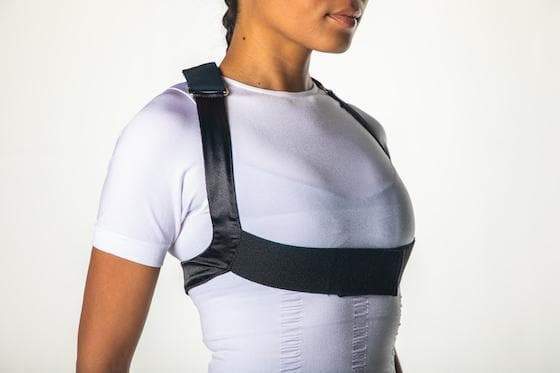
A posture corrector may help remind you to adjust your shoulder or upper-body position.
However, using it incorrectly can cause discomfort and reduce its usefulness.
To wear a posture corrector correctly, it must be worn in the correct way according to its design, be comfortable and be used for its intended purpose.
There are various types of posture correctors available. Some will have shoulder straps attached to give gentle reminders whilst others may provide more structure. Electronic posture trainers may have vibration or some kind of alert.
This guide explains how to wear a posture corrector, adjust its straps, check the fit, and avoid common mistakes.
It also explains why you should follow the manufacturer’s instructions. It will also explain why it is important to follow the manufacturers’ guidelines.
Article Index
- Quick Answer: How to Wear a Posture Corrector Correctly
- Understand Your Type of Posture Corrector
- Before You Put on Your Posture Corrector
- Step-by-Step: How to Put on a Posture Corrector
- How Tight Should a Posture Corrector Be?
- How to Check Whether It Fits Properly
- How Long Should You Wear a Posture Corrector?
- Common Posture Corrector Mistakes to Avoid
- When Should You Stop Using a Posture Corrector?
- Exercises and Habits to Complement Device Use
- When to Seek Professional Advice
- Frequently Asked Questions
- Bottom Line
- References
Understand Your Type of Posture Corrector
Before learning how to wear a posture correction device, it is important to understand which type you have. Different devices have different fitting requirements.
Shoulder Strap Posture Correctors
They are typically adjustable straps around the shoulders and upper back.
Depending on their design, these devices may apply a gentle backward pull on the shoulders or provide feedback to encourage better shoulder positioning. Often they will have an effect on the shoulder area and upper torso, but not necessarily the head and neck.
Clavicle Support Straps
Support straps go round the shoulder and upper torso. Depending on the design, these can be positioned and adjusted.
Avoid over tightening so that there is no pressure on the shoulders, underarms and upper torso.
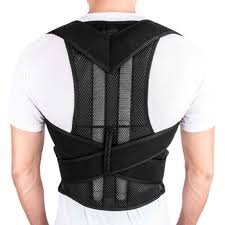
Full-Back Posture Braces
These devices may extend over a bigger area of your upper back and have extra supportive panels.
There may be more complicated fitting instructions than just having shoulder straps. Please follow the instructions provided with your brace.
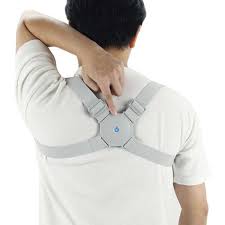
Electronic Posture Trainers
Electronic posture correction devices use sensors or some other method to alert you when your posture has changed. Some will vibrate or beep to let you know you are out of position.
They may not have any straps or cushions to put on your back. You must follow the manufacturer’s instructions to secure or place them correctly.
Before You Put on Your Posture Corrector
Simple checks can help you fit the product easily and comfortably.
Read the manufacturer’s instructions. These instructions explain how to position the product, whether it is intended for use while sitting or standing, and whether any restrictions apply.
Check the sizing. Ensure the product is suitable for your body size. Even products that are adjustable will not necessarily fit everyone.
Check the product. Make sure the product does not have any torn straps, loose seams, broken closures or sharp edges that could cause skin irritation.
Wear the right clothing. If the instructions allow you to, wearing the product over a thin layer of clothing can help reduce skin irritation.
Start in a comfortable position. Try to stand or sit naturally. Do not force your shoulders backward or push your head forward into an exaggerated position.
Step-by-Step: How to Put on a Posture Corrector
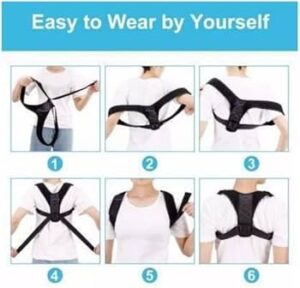
The following steps apply mainly to common shoulder-strap posture correctors. If your device has a different design, use its specific instructions instead.
Step 1: Loosen the Straps
Loosen the adjustable straps so that wearing the device is easier.
This will help reduce any excessive pulling and make sure that the straps are not twisted or knotted.
Step 2: Position the Device
Put the device over your shoulders.
If the device has a back pad, position it according to the manufacturer’s instructions. The correct position of the pad can vary between devices, so follow the product-specific fitting instructions.
Step 3: Secure the Fasteners
Secure buckles, clips or Velcro.
Ensure that everything is securely fastened, but do not tighten the straps too much to create a tight feeling.
Step 4: Adjust the Straps Gradually
Tighten the straps a little at a time. If there are two shoulder straps ensure they are even.
You should feel it is comfortable, and that you are getting the intended function whilst not feeling like your shoulders have been forcefully pulled back.
Step 5: Check Your Position
Stand or sit as you normally would.
Your shoulders should not be forced upward, your chest should not feel compressed, and you should be able to breathe comfortably.
Do not force your head backward or lift your chin simply to make your posture look straighter.
Step 6: Check for Discomfort
Ensure that the device does not cause any rubbing on your skin, dig into your armpits, or cause discomfort with normal movement.
If you experience pain, numbness, pins and needles, or skin irritation, remove the device and reassess its fit. Do not continue wearing it if these symptoms occur.
How Tight Should a Posture Corrector Be?
A posture corrector should be secure enough to remain in its intended position, but it should not feel restrictive or uncomfortable.
Every person and device will have different requirements regarding the tightness of the straps. This will depend on the design of the product and what the manufacturers suggest.
A device may be too tight if:
- It causes pain or pressure around the shoulders or armpits.
- You notice numbness, tingling, or unusual sensations.
- It makes breathing or normal movement uncomfortable.
- It leaves persistent skin irritation or painful pressure marks.
If a device is too lose you will get regular problems with it coming out of place.
Don’t attempt to tighten your device further than the recommended setting. You may need a different size or device.
How to Check Whether It Fits Properly
After putting on the device, take a moment to assess its fit.
Consider these points:
- The straps should lie flat and should not be twisted.
- The fasteners should remain secure.
- The device should stay in its intended position during ordinary movement.
- There should be no painful pressure against the shoulders, armpits, chest, or back.
- You should be able to breathe comfortably.
- The device should not force you into an unnatural posture.
If you’re unsure about whether your device is fitted properly please contact the manufacturer or a qualified health care professional who knows about your device.
How Long Should You Wear a Posture Corrector?
This can vary depending on the type of posture corrector.
The appropriate wearing schedule depends on the type of device, the reason for using it, the manufacturer’s guidelines, and whether it has been recommended as part of your treatment or rehabilitation plan.
Do not assume to wear it for 15 or 20 minutes per day. It may not be suitable for all devices.
If you have been advised to use it by a health care professional then follow their advice. Do not wear it for longer than the manufacturer recommends.
You should still move normally and complete the correct exercises. Do not use a posture corrector instead of a professional assessment.
Common Posture Corrector Mistakes to Avoid
Even a well-designed posture corrector may be uncomfortable or ineffective if it is used incorrectly.
Tightening the Straps Too Much
Pulling the straps as tight as possible will not necessarily help your posture, it can cause discomfort, pressure and skin irritation.
Gradually adjust the device and follow any fitting guidelines.
A posture corrector should not replace normal movement, appropriate exercise, or professional assessment when these are needed.
Wearing the Wrong Size
If the device is too small it can put too much pressure on the shoulders/ chest. If it is too large then it may not hold in the correct place.
Check the manufacturer’s size chart.
Positioning the Device Incorrectly
It may be necessary to fit a back pad, shoulder strap or electronic sensor. If not fitted in the correct position it may affect the operation of the device.
Follow the instructions provided.
Wearing It Longer Than Recommended
Wearing a posture corrector for longer does not automatically produce better results. Follow the recommended wearing schedule and seek professional advice if you are unsure how to use it.
Expecting It to Correct Every Posture Problem
A shoulder strap could affect the alignment of your shoulders.
If you are looking to improve forward head posture it’s important to understand that this is not a replacement for assessing your own requirements.
Ignoring Discomfort
Pain, numbness, tingling and skin irritation are not normal and should not be ignored.
Remove the device and check whether the device fits correctly. If symptoms continue seek professional advice.
When Should You Stop Using a Posture Corrector?
Discontinue use if symptoms occur including:
- pain
- numbness/tingling
- skin irritation and/or painful pressure
- difficulty breathing and/or moving
- new or increased symptoms
Do not attempt to adjust the tightness or position of the device frequently to overcome these symptoms.
If symptoms persist after stopping use, you should discuss this with a suitably qualified healthcare professional. If you experience new or significant neurological symptoms or symptoms associated with a serious injury seek prompt medical attention.
Exercises and Habits to Complement Device Use
A posture corrector can be used as a supportive or informative aid.
Along with consistent activity, correct strengthening exercises and a change in activities that require long periods of time in a position can help your posture.
For example, you may find it useful to learn about:
- Chin tucks for forward head posture
- Scapular retraction exercises
- Physiotherapy for forward head posture
- Adjusting computer screen position
- Choose exercises according to your ability and symptoms. If an exercise causes pain or other concerning symptoms, stop and seek appropriate advice.
When to Seek Professional Advice
Talk to a physiotherapist or other qualified health professional.
They will be able to assess your symptoms, range of movement, strength and functional requirements. They can advise you on whether using a posture corrector is suitable and how to do so.
If you experience any new or increased weakness in your arms, continuous pins and needles/numbness, or symptoms following a major injury seek medical advice as soon as possible.
Do not use a posture corrector to put off seeking advice for symptoms that may need medical attention.
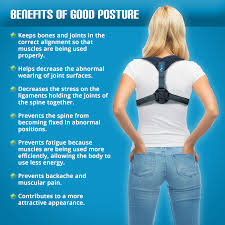
Frequently Asked Questions:
How do you put on a posture corrector?
This will depend on your corrector. As an example, a typical strap over the shoulder posture corrector can be put on by loosening the straps, placing over shoulders, fastening and adjusting the straps. Always follow the manufacturers’ guidelines.
How tight should I wear my posture corrector?
Tight enough to feel secure but not uncomfortable. There shouldn’t be any pain, numbness, tingling, skin irritation or breathlessness.
Can I wear my posture corrector over clothing?
Depending on the manufacturer some can be worn over light clothing. Ensure that your clothing isn’t affecting how you fit the corrector.
How long should I wear my corrector for?
It depends on what type of corrector you are wearing. Always follow the manufacturer’s instructions and any advice from your healthcare professional.
Can I wear my corrector whilst sleeping?
You shouldn’t assume that your corrector is suitable to wear whilst sleeping. Unless advised by the manufacturer or a qualified healthcare professional don’t wear your corrector whilst sleeping.
Should my corrector feel uncomfortable?
Your corrector may feel strange but should never cause any pain, numbness, tingling or breathlessness. If these symptoms occur remove your corrector and ensure you are fitting it properly.
Can I wear my corrector whilst exercising?
This depends on what type of corrector you are wearing. Some correctors are designed to only be used for limited activities and others may not be suitable. Always follow the manufacturer’s instructions and any advice from a healthcare professional.
Will wearing a corrector help with my forward head posture?
Not necessarily. Some correctors will have more of an effect on your shoulders. Certain orthotic devices may give more direct support. This will depend on the corrector you are using. Read our main guide to whether posture correctors work for forward head posture.
Bottom Line
Correct usage of posture correctors means using the right one and following the instructions. Adjust them so they are comfortable and avoid using them too much or incorrectly.
If you are experiencing pain, numbness, tingling, irritation or trouble with breathing then stop wearing your posture corrector and consider if it is the right fit.
Posture correctors will vary depending on the purpose. They should be used as an aid or tool to provide feedback.
Using the correct exercises and ensuring you are moving regularly can be more beneficial to achieving your personal posture goals. Seek professional advice if required.
For information about our editorial standards, read Why Trust Us and our Medical Review Process.