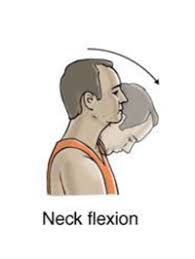
Forward head posture is a common postural pattern in which the head sits farther forward than the shoulders.
This can become more prominent when using a computer, smartphone or reading for long periods.
Some people with forward head posture may also experience neck tightness, shoulder tension or discomfort. However, posture naturally varies between individuals, and a forward head position does not automatically indicate a problem.
If your neck is feeling tight from sitting at a desk or looking down at your phone for a long period of time, gentle mobility and stretching may help you to move with more comfort.
Neck stretches can help to improve your neck mobility, however there is no guarantee that they will correct your forward head posture. Other considerations may be needed including strengthening exercises, regular movement and making changes to your workstation.
This guide will show you 5 gentle stretches to help improve neck mobility. You’ll learn how to perform them correctly and safely.
Article Index
- Can Neck Stretches Help Forward Head Posture?
- What Is Forward Head Posture?
- Why Neck Mobility and Stretching May Help
- Five Gentle Neck Stretches for Forward Head Posture
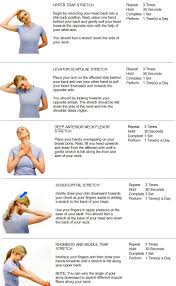
- Upper Trapezius Stretch
- Levator Scapulae Stretch
- Gentle Neck Rotation
- Gentle Neck Side-Bending
- Doorway Chest Stretch
- Are Chin Tucks a Neck Stretch?
- How to Perform Neck Stretches Safely
- How Often Should You Stretch Your Neck?
- Can Neck Stretches Alone Correct Forward Head Posture?
- When to Stop Stretching and Seek Professional Advice
- Frequently Asked Questions
- Bottom Line
- References
Can Neck Stretches Help Forward Head Posture?
Neck stretches may help to increase flexibility and relieve any stiffness in the muscles around the neck and shoulders, making turning, tilting and moving your head easier.
However, stretching should not be considered a full treatment for forward head posture.
Overall there are many factors to consider when looking at someone’s posture, such as their movement patterns throughout the day, strength and endurance of specific muscles, workstation set up, activity levels and their anatomical makeup.
Whilst a stretching routine may help to improve limited range of movement, it will not necessarily fix all of these contributing factors.
For this reason, neck stretches are best considered one part of a broader approach that may include:
- Gentle neck mobility exercises.
- Strengthening exercises for the neck and upper back.
- Regular movement breaks during prolonged sitting.
- Comfortable computer and smartphone positioning.
- Professional assessment when neck symptoms persist.
If you want to understand the wider range of exercises that may help, see our guide to forward head posture exercises.
What Is Forward Head Posture?
Forward head posture occurs when your head is positioned forward.
It can be seen when looking at your side profile in the mirror. You may notice that your ear does not sit roughly above your shoulder but appears to be more forward.
This posture can occur during activities such as:
- Working at a computer for extended periods.
- Looking down at a smartphone or tablet.
- Reading with the head held forward.
- Sitting for long periods without changing position.
- Performing tasks that require prolonged downward or forward viewing.
These activities do not necessarily cause lasting postural changes. However, regularly changing positions throughout the day can help avoid remaining in one position for extended periods.
However, some people may experience discomfort or stiffness after being in one position for long periods of time.
You can also read our guide to common forward head posture symptoms to understand the symptoms that may accompany this postural pattern.
Why Neck Mobility and Stretching May Help
There are various muscles in the neck which help manage head movements and provide stability. Some will also assist with movement of the shoulders and positioning of the upper back.
If you are staying in the same position for a while, you may experience some tightness or discomfort in these areas. Gentle stretching may help you explore a comfortable range of movement and temporarily reduce the sensation of muscle tightness.
Here are three ways stretching may be useful:
Improving Neck Mobility
You can do gentle exercises within a comfortable range of movement to help keep your head moving and tilting.
This can be helpful if you feel stiffness in your neck after sitting at a desk or doing another activity for long periods of time.
Reducing the Feeling of Muscle Tightness
The upper trapezius and levator scapulae muscles help control movement around the neck and shoulder region. Some people experience tightness in these areas after prolonged sitting or repetitive activities.
Gentle stretching can help alleviate any feelings of tension.
Supporting a Broader Posture Routine
Stretching can be used alongside conditioning exercises.
For example, combining comfortable neck mobility exercises with appropriate upper-back strengthening can provide a more balanced approach.
However, stretching does not directly strengthen weak muscles. If muscle strength or endurance is a concern, specific strengthening exercises may be more appropriate.
Five Gentle Neck Stretches for Forward Head Posture
These exercises combine gentle neck mobility movements with stretches for the surrounding muscles. They are not intended to force your head into a particular position or permanently change your spinal alignment.
Move gently through a comfortable range of movement. You should feel a mild stretch but not pain or aggravation.
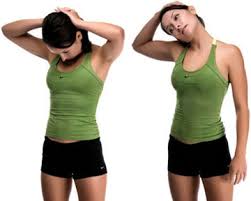
Upper Trapezius Stretch
The upper trapezius muscle can be found across your upper back, neck and shoulder. This muscle helps you to move your shoulders and also helps position your head and neck.
This can be gently stretched if you are feeling tight in this area.
How to perform it:
- Sit or stand comfortably with your shoulders relaxed.
- Keep your head facing forward.
- Slowly tilt your right ear toward your right shoulder.
- Stop when you feel a gentle stretch along the left side of your neck.
- Hold briefly while breathing normally.
- Return your head to the starting position.
- Repeat on the opposite side.
Important tips:
- Keep your shoulders relaxed rather than lifting them toward your ears.
- Do not force your head downward with your hand.
- Avoid twisting your head while performing the stretch.
- Stop if you experience pain, tingling, dizziness, or other unusual symptoms.
For more detailed guidance, see our article on how to stretch your trapezius to support better neck posture.
Levator Scapulae Stretch
The levator scapulae is a muscle that connects the upper cervical vertebrae to the shoulder blade. It helps elevate the shoulder blade and contributes to neck movement.
Gentle stretching may be useful if you experience tightness along the back or side of your neck, particularly near the upper shoulder.
How to perform it:
- Sit comfortably with your back supported if needed.
- Turn your head slightly to the right.
- Gently lower your chin toward the right side of your chest.
- Stop when you feel a mild stretch along the back and side of your left neck.
- Hold briefly without pulling your head down.
- Return to the starting position slowly.
- Repeat on the other side.
Important tips:
- Keep the movement gentle and controlled.
- Do not use your hand to force your head downward.
- Avoid rounding your entire upper back to create a stronger stretch.
- Reduce the movement if you feel discomfort.
The aim is to explore comfortable neck movement, not to achieve the deepest possible stretch.
Gentle Neck Rotation
Neck rotation helps you practise turning your head through a comfortable range of motion.
It is primarily a mobility exercise rather than a sustained muscle stretch.
How to perform it:
- Sit or stand upright in a relaxed position.
- Keep your shoulders facing forward.
- Slowly turn your head to the right.
- Move only as far as is comfortable.
- Return your head to the centre.
- Slowly turn your head to the left.
- Return to the starting position.
Important tips:
- Avoid turning your head quickly.
- Do not force your chin toward your shoulder.
- Keep your shoulders relaxed.
- Stop if the movement causes pain, dizziness, or unusual symptoms.
This exercise may be useful during breaks from prolonged computer work, particularly if your neck feels stiff from remaining in one position.
Gentle Neck Side-Bending
Gentle neck side-bending allows you to practise moving your head toward each shoulder within a comfortable range of motion.
How to perform this exercise:
- Sit or stand with your head in a comfortable neutral position.
- Relax both of your shoulders.
- Gently tilt your head towards your right shoulder.
- Stop when you feel a gentle stretch on the other side.
- Return to the central position.
- Repeat on the left side.
Top Tips:
- Don’t raise your shoulder up towards your ear.
- Don’t pull your head with your hand.
- Move gently.
- Try to stay within a comfortable range.
This is similar to the upper trapezius stretch but should be done gently to keep your neck moving.
Doorway Chest Stretch
Forward head posture can often be accompanied by rounded shoulders and a tight feeling across your chest. This doorway stretch can help improve comfort and mobility in your chest and front shoulder muscles.
Although this will not directly cause your neck to stretch, this could form part of your overall upper body mobility.
How to do it:
- Stand in an open doorway.
- Place your forearms on the door frame at a comfortable height.
- If it is more comfortable, make sure your elbows are slightly lower than shoulder height.
- Gently step one of your feet forwards.
- Move your chest forwards to create a gentle stretch across your chest.
- Make sure your head is in a relaxed position and do not over-extend forwards.
- Slowly return to the start position.
Top Tips:
- Don’t over extend forwards.
- Do not over arch your lower back.
- Do not push your shoulders back.
- If you feel any discomfort adjust your arm position.
For another variation, see our guide to chest stretches for forward head posture.
Are Chin Tucks a Neck Stretch?
Chin tucks are often incorporated into exercises that aim to improve forward head posture.
However, they are not a typical static neck stretch.
Primarily they are a controlled movement that activates the deep neck flexor muscles that help you control your head/neck position.
How to perform a basic chin tuck:
- Sit or stand comfortably.
- Look straight ahead.
- Gently draw your chin backward, as though making a small double chin.
- Keep your eyes level rather than looking down.
- Avoid tipping your head backward.
- Relax and return to the starting position.
Make sure that you’re moving in small amounts, and do not feel any pain.
You can also include tucking your chin as part of your neck mobility exercises. However, this is not the same as the stretches above.
For a more detailed explanation, read our guide to how to perform chin tucks for forward head posture.
How to Perform Neck Stretches Safely
Neck stretches should be performed slowly and within a comfortable range of motion. Forcing a greater range of movement does not necessarily make an exercise more effective.
Keep these points in mind:
Move Slowly
Avoid jerky, bouncy and forceful movements. Perform the stretch slowly and return to the start position with control.
Don’t overstretch
You may feel a slight pull when doing this exercise. However, you should not be feeling any sharp pain whilst performing it. If you do, reduce the range of the movement or stop.
Relax your shoulders
Avoid shrugging your shoulders and unnecessary tension in your upper body. This will help you to control the movement.
Avoid overpressure
The stretch does not need to be forced by pulling your head down with your hands. Just move within your comfortable range.
Cease activity if you experience any new or increased pain, pins and needles, numbness, dizziness or strange sensations.
If you have had any recent neck injuries or have a diagnosis of a cervical spine condition or chronic neck pain, please consult a qualified health care professional to see what exercises would be suitable for you.
How Often Should You Stretch Your Neck?
There is no one-size-fits-all answer here.
It depends on how you feel, your mobility, your symptoms and why you’re stretching.
If gentle movement feels comfortable, you can incorporate brief mobility breaks into your day, particularly after prolonged sitting or computer work.
A practical approach is to:
- Take regular breaks from prolonged sitting.
- Change your position throughout the day.
- Perform gentle movements within a comfortable range.
- Avoid repeating a movement if it aggravates your symptoms.
- Combine mobility work with appropriate strengthening and general physical activity.
Most importantly, it is better to be consistent and feel comfortable to move than to force yourself into a strict stretching routine.
If you are still experiencing any neck stiffness or it is getting worse, consult a professional.
Can Neck Stretches Alone Correct Forward Head Posture?
Neck stretches can help improve your range of motion and relieve any stiffness, however this does not guarantee that your forward head posture will be corrected.
There are many factors that can contribute to forward head posture including strength, stamina, movement patterns, work station set up and personal physical attributes.
A broader exercise approach may include:
- Neck mobility: Gentle stretches and controlled movements to maintain comfortable movement.
- Neck strengthening: Exercises selected to improve neck muscle strength and endurance.
- Upper-back strengthening: Exercises that develop the muscles supporting the shoulder blades and upper back.
- Chest mobility: Exercises that address limited movement or tightness around the chest and shoulders.
- Workstation adjustments: Positioning your monitor and other equipment to support comfortable working habits.
- Regular movement: Changing positions and taking breaks instead of remaining still for long periods.
For a more comprehensive approach, explore our guide to physiotherapy for forward head posture.
When to Stop Stretching and Seek Professional Advice
Gentle neck exercises should generally feel comfortable, although individual responses can vary. Not all neck symptoms are caused by posture or muscle tightness.
If during the exercises you feel:
- Sharp or worsening neck pain.
- Pain that travels into the arm.
- New numbness or tingling in the hands or arms.
- New or increasing muscle weakness.
- Dizziness or unusual balance problems.
- A severe or unusual headache.
- Neck pain following an accident or injury.
If you have severe or sudden neurological symptoms, especially if you also have a sudden severe headache, trouble walking or other worrying symptoms then please seek urgent medical advice.
A physiotherapist or other qualified healthcare professional can assess your symptoms, identify relevant movement limitations and help determine which exercises are appropriate for you.

Frequently Asked Questions
Do neck stretches help forward head posture?
Neck stretches can be useful to increase mobility and alleviate feelings of tightness in the neck and shoulder area, however it cannot guarantee correction of forward head posture. A more holistic approach including strengthening, movement and ergonomics may help.
What is the best stretch for forward head posture?
There is no single best stretch for everyone. The upper trapezius and levator scapulae stretches may be useful if you experience tightness in these areas. Gentle neck rotation and side-bending can also help maintain comfortable neck mobility.
The most appropriate exercise depends on your symptoms, movement limitations and individual needs.
Can tight neck muscles cause forward head posture?
Tightness within the neck muscles can contribute to the discomfort felt, however forward head posture is multifactorial.
Are chin tucks better than neck stretches?
Chin tucks are primarily used to practise controlled activation of the deep cervical flexor muscles, whereas neck stretches aim to improve flexibility or comfort. Both may complement each other as part of a broader exercise routine.
How long should I hold a neck stretch for?
This will depend on the exercise and your comfort. Gently move through the range. If you feel any pain, dizziness, pins and needles or other unusual sensations whilst stretching stop.
Can I do neck stretches everyday?
Some people can comfortably perform gentle neck mobility exercises every day, but this is not necessary or appropriate for everyone. Your routine should reflect your symptoms and individual needs.
Can stretching help with tech neck?
Stretching can help alleviate stiffness and encourage comfortable neck movement. However it cannot guarantee correction of tech neck. Taking regular breaks to move, keeping the screen at a comfortable height and doing the correct strengthening exercises may also be useful.
Bottom Line
Gentle stretches may help reduce the feeling of stiffness around the neck and shoulders and support comfortable movement.
Useful options include the upper trapezius stretch, levator scapulae stretch, gentle neck rotation, neck side-bending and doorway chest stretch.
Stretching alone is unlikely to address every factor associated with forward head posture. A broader approach may also include neck and upper-back strengthening, regular movement and comfortable workstation positioning.
Be sure to move gently and do not force your neck into uncomfortable positions. If your symptoms get worse or persist please consult a professional.
The goal is not to maintain one perfect posture throughout the day. It is to develop comfortable movement habits that help you move and work without unnecessary discomfort.
References
- Mayo Clinic. Stretching: Focus on flexibility.
- Colman M, et al. Exercise Therapy Including the Cervical Extensor Muscles in Individuals With Neck Pain: A Systematic Review. 2023.
For more information about our editorial standards, see Why Trust Us and our Medical Review Process.
Medical Disclaimer:
This article is intended for general educational purposes only. It does not replace an individual assessment, diagnosis, or treatment plan from a qualified healthcare professional. Exercise suitability varies from person to person.