
Let’s set the scene: You are hunched over your laptop or phone, your head leaning forward as if trying to peek into the screen’s soul.
You have probably heard that this forward head posture is bad for your neck and shoulders, but did you know it could also mess with the blood flow to your brain?
Yes, this seemingly innocent position can disrupt your brain’s vital supply line.
Today, we will dive into the science, the impacts, and some eyebrow-raising examples to show you how this common posture habit might be turning your noggin into a cranky, under-oxygenated mess.
This Article Covers:
- What Is Forward Head Posture and Why It Happens
- Anatomy 101: Understanding Blood Flow to the Brain
- How Forward Head Posture Affects Blood Circulation
- The Domino Effect: Neck Tension, Vessel Compression, and Reduced Oxygen
- Real-Life Scenario: How Jane’s Posture Led to Brain Fog and Fatigue
- The Scientific Evidence: What Studies Reveal
- FAQs on Text Neck & Reduces Blood Flow to the Brain
- Why All of This Matters
What Is Forward Head Posture and Why It Happens?
Before we jump into the gory details, let’s define what forward head posture (FHP) actually is.
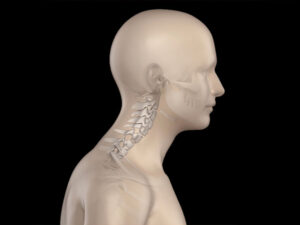
Picture a turtle slowly emerging from its shell.
That is essentially what your head is doing when it juts forward past your shoulders.
This posture typically occurs because of modern lifestyle habits: prolonged computer use, smartphone scrolling, and even slouching while binge-watching Netflix.
FHP is more than just an aesthetic problem; it changes the biomechanics of your entire upper body.
The muscles in your neck, particularly the sternocleidomastoid and trapezius, are forced to work overtime to support your head.
The more your head tilts forward, the more strain these muscles endure, and that’s where the trouble starts.
Anatomy 101: Understanding Blood Flow to the Brain
Let’s unpack how posture—specifically forward head posture—can choke the brain’s oxygen party:
Two Vital Arteries, One Mission:
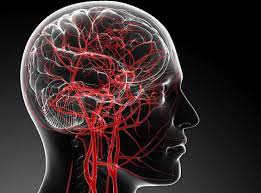
Blood reaches the brain through the carotid arteries (running up the front of your neck) and the vertebral arteries (threaded through the bony canals of your cervical vertebrae). These are the brain’s life supply highways.
Carotids and Compression:
In forward head posture (FHP), neck muscles like the sternocleidomastoids tighten, and soft tissues around the carotid sheath can compress the artery. This reduces blood flow efficiency, as confirmed in studies published by Clinical Anatomy and The European Journal of Vascular and Endovascular Surgery.
Vertebral Artery Vulnerability:
The vertebral arteries pass through tiny holes in your cervical vertebrae (foramina transversaria). With poor posture, especially if accompanied by cervical lordosis flattening, these bony corridors narrow and kink the artery, as noted in Spine (2020). Less room = less blood.
Symptoms You Can’t Ignore:
Reduced cerebral blood flow from FHP is linked to dizziness, lightheadedness, and cognitive fog. A 2019 study in the Journal of Manipulative and Physiological Therapeutics even found mild vertebrobasilar insufficiency in patients with chronic postural abnormalities.
Long-Term Brain Drama:
Chronic postural vascular compression may contribute to neurovascular tension and reduced oxygen delivery—two precursors for brain fatigue and poor concentration.
So yes, bad posture is not just a pain in the neck—it is a brain drain, literally.
How Forward Head Posture Affects Blood Circulation?
Okay, here is where things get alarming.
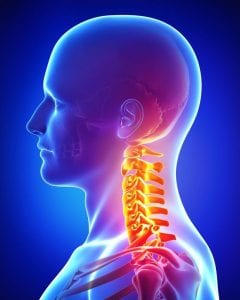
When you have forward head posture, the muscles in your neck tighten, and your cervical spine compresses.
This compression can pinch or restrict the carotid and vertebral arteries.
Imagine kinking a garden hose; the water flow slows to a trickle.
The same thing can happen to your blood flow.
According to a study published in Frontiers in Neurology, poor posture, particularly forward head posture, can reduce the blood supply to the brain.
The reduced circulation not only decreases oxygen but also limits the delivery of nutrients crucial for brain health.
Over time, this can lead to symptoms like tension headaches, dizziness, brain fog, and even cognitive decline.
The Domino Effect: Neck Tension, Vessel Compression, and Reduced Oxygen
Forward head posture (FHP) is more than just a neck issue; it sets off a chain reaction that affects the entire body. Here’s how it happens:
1. Increased Muscle Tension:
When your head leans forward, the neck muscles, particularly those at the back, must work harder to support the additional weight.
For every inch the head moves forward, the neck muscles experience an extra 10 pounds of force. Over time, this excessive strain leads to muscle tightness, inflammation, and chronic pain.
As per Trinity Health of New England, prolonged FHP can cause severe muscular fatigue and discomfort.
2. Vessel Compression:
Tightened neck muscles can compress vital blood vessels, particularly the vertebral arteries, which pass through small openings in the cervical vertebrae.
When these arteries are compressed, blood flow to the brain is restricted.
According to research published in the National Library of Medicine, restricted vertebral artery circulation can lead to reduced oxygen supply, affecting brain function and overall health.
3. Oxygen Deprivation:
When blood flow is compromised, the brain doesn’t receive enough oxygen, leading to symptoms like brain fog, dizziness, and impaired focus.
Chronic oxygen deprivation can even contribute to long-term cognitive decline.
A study published in Scientific Reports by Nature found that forward head posture can weaken key postural muscles and reduce lung function, further limiting oxygen intake.
Additionally, poor posture can negatively affect cardiorespiratory fitness by obstructing normal breathing patterns, making it harder for the body to maintain proper oxygen circulation.
To counteract these effects, posture correction exercises, ergonomic adjustments, and strengthening techniques can help restore alignment, reduce tension, and improve blood circulation.
As studies suggest, early intervention is key in preventing the long-term consequences of FHP.
Real-Life Scenario: How Jane’s Posture Led to Brain Fog and Fatigue?
Meet Jane, a 30-year-old graphic designer.
Jane (a resident of California) spent hours each day hunched over her computer, her head pushed forward in concentration.
She often felt tired, had difficulty focusing, and experienced frequent headaches.
Thinking it was just stress, she ignored the symptoms until a physical therapist pointed out her forward head posture.
Once she began to address her posture, her symptoms improved dramatically.
Jane’s case is not unique. Many people experience similar issues, often unaware that their posture could be to blame.
It is a subtle, sneaky problem, but the effects are very real.
The Scientific Evidence: What Studies Reveal?
You might be thinking, “Is this really a thing, or is it just another health fad?”
Well, the science is pretty solid.
Research from The Journal of Clinical Neuroscience has shown that people with chronic neck pain, often due to poor posture, have reduced blood flow through the vertebral arteries.
Another study in Surgical Technology International demonstrated that forward head posture can add up to 60 pounds of pressure on the cervical spine, further compressing the blood vessels.
Dr. Michael Evans, a leading neurologist, states, “The compression of neck arteries due to poor posture can lead to insufficient oxygenation of the brain, which is a serious concern for long-term neurological health.”
FAQs on Text Neck & Reduces Blood Flow to the Brain:
Q-1: How does forward head posture affect blood flow to the brain?
A-1: Forward head posture (FHP) shifts the head several inches ahead of the cervical spine, compressing structures in the neck that supply blood to the brain.
This misalignment can reduce efficient circulation through key vessels like the carotid and vertebral arteries.
In the United States, where over 65% of adults spend extended hours on screens, posture-related strain is increasingly common.
When the head moves forward, the neck muscles tighten and the natural curve of the spine flattens, potentially restricting blood flow and oxygen delivery.
Over time, this can affect brain function, leading to fatigue, reduced concentration, and overall decreased mental clarity.
Q-2: Can poor neck posture reduce oxygen supply to the brain?
A-2: Yes, poor neck posture can indirectly reduce oxygen supply to the brain by affecting blood circulation.
When blood flow is compromised, oxygen delivery also decreases because oxygen travels through the bloodstream. In the U.S., lifestyle habits such as prolonged sitting and device use contribute significantly to this issue.
Even a slight reduction in oxygen supply can impact the brainstem and cerebral cortex, leading to symptoms like brain fog and low energy levels. Maintaining proper neck alignment helps ensure that oxygen-rich blood reaches the brain efficiently.
Q-3: Does forward head posture compress the carotid arteries?
A-3: Forward head posture can place stress on the carotid arteries, which are responsible for supplying oxygenated blood to the brain.
While it may not fully block these arteries, the altered alignment can reduce optimal blood flow. In the U.S., where cardiovascular health is a major concern, even minor circulation issues can have long-term effects.
The forward tilt of the head can also tighten surrounding muscles, further impacting vascular function. This highlights the importance of maintaining proper posture to support healthy circulation.
Q-4: What are the symptoms of reduced brain blood flow due to posture?
A-4: Symptoms of reduced blood flow to the brain caused by poor posture may include dizziness, tension headaches, brain fog, fatigue, and difficulty concentrating.
In some cases, individuals may also experience tingling sensations or visual disturbances. In the U.S., where nearly 1 in 3 adults report chronic neck pain, these symptoms are often overlooked or attributed to other causes.
Recognizing the link between posture and circulation can help address the root problem. Improving alignment of the neck, shoulders, and spine can alleviate these symptoms over time.
Q-5: Can forward head posture cause dizziness or brain fog?
A-5: Yes, forward head posture can contribute to dizziness and brain fog by disrupting normal blood flow and nerve function.
The misalignment of the cervical spine can affect both vascular and neurological pathways. In the U.S., these symptoms are increasingly reported among individuals who spend long hours on digital devices.
When the brain does not receive adequate blood and oxygen, cognitive performance can decline. Correcting posture can help restore proper circulation and improve mental clarity.
Q-6: How much can forward head posture reduce blood flow?
A-6: While the exact reduction varies, some studies suggest that poor neck posture can decrease blood flow efficiency by up to 15–20% in certain positions.
This reduction may not be noticeable immediately but can have cumulative effects over time. In the U.S., where sedentary behavior is prevalent, even small decreases in circulation can contribute to long-term health issues.
Ensuring proper alignment of the cervical spine and upper back helps maintain optimal blood flow to the brain.
Q-7: Does loss of cervical lordosis impact brain circulation?
A-7: Yes, the loss of the natural curve of the cervical spine, known as cervical lordosis, can negatively impact blood circulation to the brain.
This structural change often occurs with prolonged poor posture. In the U.S., posture-related spinal changes are becoming more common due to increased screen time. When the spine loses its natural curve, it can place additional pressure on blood vessels and nerves, affecting circulation.
Restoring proper spinal alignment can help improve both posture and blood flow.
Q-8: Can forward head posture increase the risk of stroke?
A-8: Forward head posture alone is not a direct cause of stroke, but it may contribute to factors that increase risk, such as poor circulation and vascular stress.
In the U.S., stroke remains a leading cause of death, making it important to address all potential risk factors. Chronic poor posture can strain the vertebral arteries, which supply blood to critical areas of the brain.
While more research is needed, maintaining good posture is a simple and effective way to support overall vascular health.
Q-9: How can you improve brain blood flow by correcting posture?
A-9: Improving posture can enhance blood flow to the brain by aligning the head, neck, and spine properly.
This reduces pressure on blood vessels and allows for smoother circulation. In the U.S., posture correction strategies often include exercises, ergonomic adjustments, and regular movement breaks.
Strengthening the upper back and neck muscles helps maintain proper alignment, while stretching tight muscles improves flexibility. Consistent practice can lead to better circulation and improved brain function.
Q-10: Does tech neck affect the vertebral arteries?
A-10: Yes, tech neck—a modern term for forward head posture caused by device use—can affect the vertebral arteries.
These arteries run through the cervical spine and supply blood to the back of the brain. In the U.S., where smartphone usage is widespread, this issue is becoming more prevalent.
Poor posture can alter the alignment of the spine, potentially impacting blood flow through these arteries. Addressing tech neck through posture correction can help protect these critical pathways.
Q-11: Can posture correction reverse circulation issues?
A-11: In many cases, improving posture can help restore normal blood flow and reduce symptoms associated with poor circulation. The body has a remarkable ability to adapt and recover when given the right conditions.
In the U.S., rehabilitation programs often focus on posture correction as part of overall health improvement. By realigning the cervical spine and shoulders, pressure on blood vessels is reduced, allowing for better circulation. Consistency is key to achieving lasting results.
Q-12: What daily habits can prevent reduced blood flow to the brain?
A-12: Simple daily habits can go a long way in preventing posture-related circulation issues. These include maintaining a neutral head position, taking breaks every 30–60 minutes, and setting up an ergonomic workspace.
In the U.S., where many people spend long hours sitting, these habits are especially important. Regular exercise such as neck tilts, stretching, and mindfulness about posture can help keep the neck, shoulders, and spine properly aligned. Over time, these small changes can significantly improve blood flow and overall brain health.
Free Tip of the Day:
Forward head posture is more than just a cosmetic issue—it can have real implications for brain health by affecting blood flow and oxygen delivery.
With the rise of screen-based lifestyles in the United States, this condition is becoming increasingly common, impacting millions of people.
The good news is that it is largely preventable and reversible with the right approach.
By understanding how posture influences the cervical spine, carotid arteries, and vertebral circulation, individuals can take proactive steps to protect their health. Simple strategies like improving ergonomics, strengthening key muscles, and staying active can make a significant difference.
Ultimately, consistent awareness and action are essential. Correcting posture not only supports better circulation but also enhances energy, focus, and overall well-being.
In a world where digital devices dominate daily life, maintaining proper alignment is one of the simplest yet most powerful ways to safeguard brain function and long-term health.
Why All of This Matters?
At this point, you might be asking, “So what?”
Well, reduced blood flow to the brain is not something to brush off lightly.
Your brain’s efficiency and overall health depend on a steady supply of oxygen and nutrients.
Chronic deprivation can contribute to more serious neurological issues over time.
Best Forward Head Posture Fix may seem like a minor inconvenience or a cosmetic issue, but its impact on your brain’s health is significant.
From cognitive function to your emotional well-being, the way you hold your head can shape your overall quality of life.
References: