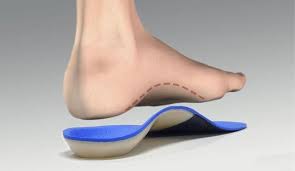
How Orthotics Improve Neck Alignment?

How Orthotics Improve Neck Alignment

If you have ever experienced neck pain, you may have heard that neck alignment is not just about the neck—it is actually influenced by factors as far down as your feet.

Orthotics, or specialized insoles, are often thought of as solutions for foot pain, but their benefits extend up through the entire body, impacting everything from posture to neck alignment.

In this article, bestforwardheadposturefix.com shall explore the fascinating connection between foot support and neck alignment, why orthotics can be a game-changer, and how they can bring real relief to neck pain sufferers.

Article Index

  1. The Link Between Feet and Neck Alignment
  2. How Orthotics Correct Body Posture
  3. The Role of Posture Correcting Insoles
  4. Real-Life Examples of Orthotics and Neck Pain Relief
  5. Choosing the Best Insoles for Neck and Posture Support
  6. FAQs on Orthotics for Fixing Text Neck
  7. Conclusion: Steps to Achieve Better Neck Alignment with Orthotics

The Link Between Feet and Neck Alignment

At first glance, the connection between your feet and neck may not seem obvious.

However, studies show that foot alignment can impact the body’s entire structure, from ankles and knees up to the spine and neck.

When your feet are not aligned properly, it can create a ripple effect, leading to issues such as poor posture, spine misalignment, and neck strain (National Institutes of Health, 2017).

Each part of the body relies on other parts to maintain balance.

For instance, if your feet overpronate (roll inward), it affects your knee alignment, which in turn disrupts the natural curve of your spine. Eventually, this misalignment reaches your neck, leading to strain and discomfort.

Research in Gait & Posture reveals that correcting foot alignment with orthotics improves postural stability, ultimately reducing stress on the neck.
How Orthotics Correct Body Posture

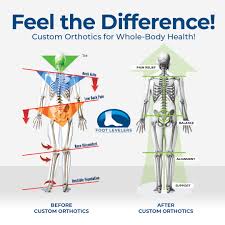
How Orthotics Correct Body Posture?

Orthotics, particularly custom-made insoles, are designed to provide proper support and alignment starting from the feet.

When foot posture is corrected, it encourages a neutral alignment up the kinetic chain—ankles, knees, hips, and spine—which reduces the strain on the neck.

Here is how it works:

  • Shock Absorption and Cushioning: Orthotics provide cushioning to absorb the impact of walking or standing, which helps reduce the wear and tear on the spine. This support not only improves posture but reduces the jarring impact on the neck.
  • Arch Support: Proper arch support helps distribute body weight evenly, minimizing uneven stress that can contribute to neck pain. A study from the Journal of Chiropractic Medicine found that arch support plays a significant role in aligning the spine, which in turn helps relieve neck strain.
  • Stabilization and Balance: Orthotics help stabilize your feet, promoting better balance and encouraging a more upright posture. A balanced posture means the neck does not have to work as hard to keep the head aligned, relieving strain over time.

These corrective functions are why orthotics for neck alignment can be a powerful addition to posture care, especially when combined with exercises or physical therapy that address the upper body.

The Role of Posture Correcting Insoles

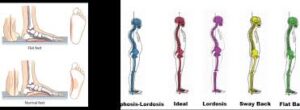
Posture correcting insoles are a specialized form of orthotics designed specifically to promote body alignment.

Unlike standard insoles, these are crafted to correct structural imbalances in the feet that can impact posture, including neck alignment.

With features like added arch support, heel stabilization, and customized adjustments, these insoles help correct the foundation of the body.

For instance, insoles to correct posture can subtly adjust how your feet hit the ground, preventing overpronation or supination (outward roll of the foot).

A study published in the European Spine Journal highlighted that correcting foot alignment with insoles can improve the spinal curve, reduce forward head posture, and significantly relieve upper body tension.

This shows why posture insoles are useful for more than just foot pain—they can actually play a role in fixing poor neck alignment too.
The Role of Posture Correcting Insoles

Real-Life Examples of Orthotics and Neck Pain Relief

Consider Emily, a 35-year-old office worker who suffered from chronic neck pain and forward head posture.

After trying various treatments, including chiropractic adjustments and ergonomic fixes, Emily decided to consult a podiatrist. The podiatrist recommended custom orthotics tailored to her flat feet.

Over time, the orthotics improved her spinal alignment and reduced the tilt in her head and neck. This led to noticeable relief in her neck pain as well as improved posture.

Another example is Mark, a 40-year-old athlete who dealt with neck tension and frequent headaches.

He learned that his overpronation was likely contributing to his neck issues, as it caused his entire posture to shift out of balance.

After getting custom posture insoles, Mark noticed a reduction in neck strain and an improvement in his athletic performance due to better body alignment.

Choosing the Best Insoles for Neck and Posture Support

When selecting the best insoles for posture improvement, there are a few key factors to consider:

  • Custom vs. Over-the-Counter: Custom orthotics, though more expensive, are tailored specifically to your foot shape and alignment needs. Over-the-counter posture insoles can also be effective but may not offer the same level of personalized support.
  • Arch Support Level: High-quality orthotics should provide the appropriate level of arch support. If you have flat feet, opt for insoles with more substantial support to promote better alignment from the ground up.
  • Material and Durability: Look for insoles made from durable materials like EVA foam or thermoplastic. These materials provide cushioning and shock absorption, which can help reduce the impact on the spine and neck.
  • Heel Cup and Stability Features: A good posture-correcting insole should have a deep heel cup and stabilizing features. This helps align the feet, ankles, and knees, which reduces strain on the upper body, including the neck.

According to a study in The Journal of Foot and Ankle Research, orthotics with these design elements significantly improved balance and body posture in users, which can, in turn, reduce strain in the neck.

FAQs on Orthotics for Fixing Text Neck
Q-1: How do orthotics improve neck alignment?

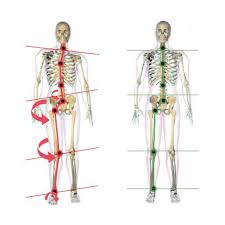
A-1: Orthotics improve neck alignment by correcting the foundation of the body—the feet.

When the feet are misaligned, it creates a chain reaction through the ankles, knees, hips, and spine, ultimately affecting the cervical region.

In the United States, nearly 75% of adults experience foot-related alignment issues at some point, which can contribute to poor posture.

Orthotic insoles help distribute weight evenly and stabilize the lower body, allowing the spine to maintain a more natural position.

As the spinal column and cervical spine align properly, the head sits more balanced over the shoulders, reducing strain and improving posture.

Q-2: Can foot orthotics correct forward head posture?

A-2: Foot orthotics can help correct forward head posture indirectly by improving overall body alignment.

While they don’t act directly on the neck, they influence the kinetic chain, which connects all major joints. In the U.S., posture-related complaints are common due to prolonged sitting and poor ergonomics.

When orthotics correct foot pronation or imbalance, they help realign the spine, making it easier for the head to return to a neutral position. For best results, orthotics should be combined with posture exercises and awareness.

Q-3: What is the connection between foot alignment and neck posture?

A-3: The connection lies in the body’s kinetic chain. Misalignment in the feet can cause compensations throughout the body, affecting the pelvis, thoracic spine, and cervical spine.

In the U.S., where sedentary lifestyles are prevalent, this chain reaction often leads to poor posture. For example, flat feet or overpronation can tilt the pelvis, which then alters spinal curvature and forces the head forward.

Correcting foot alignment with orthotics helps restore balance across the entire body, improving neck posture as a result.

Q-4: Do orthotic insoles help reduce neck pain?

A-4: Yes, orthotic insoles can help reduce neck pain by improving overall alignment and reducing strain on the spine.

In the U.S., neck pain affects about 30% of adults annually, often linked to posture issues. By stabilizing the feet and lower limbs, orthotics reduce compensatory stress on the upper body.

This leads to better distribution of forces across the spine, easing tension in the neck and shoulders. While not a standalone cure, they are a valuable part of a comprehensive posture correction strategy.

Q-5: How do orthotics affect the kinetic chain?

A-5: Orthotics influence the kinetic chain by correcting the position and movement of the feet, which are the body’s base of support.

In the U.S., many individuals have subtle foot imbalances that go unnoticed but impact posture. When orthotics provide proper arch support and alignment, they help normalize movement patterns in the ankles, knees, hips, and spine.

This improved alignment reduces unnecessary strain and allows the neck to maintain a more natural position, supporting better posture overall.

Q-6: Are custom orthotics better for posture correction?

A-6: Custom orthotics are often more effective for posture correction because they are tailored to an individual’s specific foot structure and alignment issues.

In the U.S., custom solutions are widely recommended for individuals with chronic pain or significant imbalances. These orthotics provide precise support to the arches, heels, and pressure points, ensuring optimal alignment.

This personalized approach can lead to better improvements in posture, including the alignment of the cervical spine.

Q-7: Can orthotics fix rounded shoulders and neck strain?

A-7: Orthotics can help reduce rounded shoulders and neck strain by addressing the underlying alignment issues that contribute to these problems.

In the U.S., where desk work is common, poor posture often leads to rounded shoulders. By improving the alignment of the lower body and spine, orthotics create a more stable foundation.

This allows the shoulders to naturally move into a better position, reducing strain on the neck.

However, exercises and ergonomic changes are also important for lasting results.

Q-8: How long does it take to see results from orthotics?

A-8: Results from orthotics can vary, but many people begin to notice improvements in comfort and posture within 2 to 4 weeks of consistent use.

In the U.S., healthcare professionals often recommend gradual adaptation to allow the body to adjust.

Over time, as the muscles, joints, and spine adapt to improved alignment, posture changes become more noticeable.

Long-term use combined with exercise such as neck tilts can lead to sustained improvements in neck alignment.

Q-9: Do orthotics help align the entire spine?

A-9: Yes, orthotics can help align the entire spine by correcting the base alignment at the feet.

In the U.S., posture correction approaches increasingly focus on full-body alignment rather than isolated areas.

When the feet are properly supported, the spine, including the cervical, thoracic, and lumbar regions, can maintain a more natural curve.

This holistic alignment reduces strain and supports better posture from head to toe.

Q-10: What daily habits enhance the benefits of orthotics?

A-10: To maximize the benefits of orthotics, it’s important to combine their use with healthy daily habits.

These include maintaining good posture, staying active, and taking breaks from prolonged sitting. In the U.S., where many people spend 6–8 hours sitting daily, these habits are essential.

Strengthening exercises for the core, back, and neck, along with proper ergonomics, can enhance the effects of orthotics.

Consistency in these practices ensures better alignment and long-term posture improvement.

Tip of the Day:

Orthotics offer a unique and often overlooked approach to improving neck alignment by addressing the body from the ground up.

In the United States, where posture-related issues are on the rise due to sedentary lifestyles and prolonged screen use, solutions that target the root cause are gaining popularity.

By correcting foot alignment, orthotics help stabilize the entire kinetic chain, allowing the spine and neck to function more efficiently.

However, orthotics are not a standalone fix. Their effectiveness increases significantly when combined with exercise, proper ergonomics, and mindful posture habits.

This integrated approach ensures that improvements in alignment are both meaningful and sustainable.

Ultimately, investing in proper foot support can have far-reaching benefits beyond just comfort. It can lead to better posture, reduced pain, and improved overall well-being.

With consistent use and supportive lifestyle changes, orthotics can play a key role in helping you achieve a healthier, more aligned body.

Steps to Achieve Better Neck Alignment with Orthotics

Steps to Achieve Better Neck Alignment with Orthotics

Orthotics offer a unique approach to neck pain and posture correction, addressing the problem from the ground up.

By providing arch support, balance, and alignment, orthotics can help stabilize the entire body, taking pressure off the neck and promoting best forward head posture fix.

For those suffering from chronic neck pain or forward head posture, orthotics are a worthwhile investment.

To get the most out of orthotics, consider combining them with posture exercises, ergonomic adjustments, and regular physical activity.

Consult with a podiatrist or physical therapist to determine the best orthotics for your needs, and remember that even small adjustments in your feet can make a big difference in how your body feels from head to toe.

References:

Scroll to Top