
In our digital age, “forward head posture” (FHP) is something many of us are unintentionally developing.
As we stare down at screens for hours, the head naturally starts to lean forward, causing a domino effect on posture that can lead to neck pain, headaches, and even muscle tension across the shoulders and upper back.
But did you know that acupuncture, a practice rooted in ancient Chinese medicine, can help correct this very modern problem?
In this article, bestforwardheadposturefix.com shall discuss how acupuncture can realign forward head posture by addressing muscle tension, promoting energy flow, and restoring balance to the cervical spine.
We will cover the following:
Article Index
- Understanding Forward Head Posture
- How Acupuncture Targets Muscles and Energy Flow
- Key Acupoints for Posture Correction
- Real-Life Success Stories
- The Long-Term Benefits of Acupuncture for Posture
- FAQs on Acupuncture to Fix iHunch
- Conclusion: Achieving Balance Through Acupuncture
Understanding Crane Neck Posture
Crane head posture occurs when the head juts out in front of the shoulders, creating an exaggerated curve in the cervical spine.
This misalignment puts significant strain on neck muscles and can cause other parts of the spine and back to overcompensate.
Forward head posture is often caused by prolonged screen time, poor ergonomics, or simply years of habit.
According to research from the Journal of Physical Therapy Science, forward head posture can lead to long-term issues, including reduced neck mobility and chronic pain.
Traditional treatments involve strengthening exercises, ergonomic adjustments, and physical therapy, but acupuncture is increasingly being recognized as a complementary approach for posture correction.

How Acupuncture Targets Muscles and Energy Flow?
In acupuncture, the body is seen as a system of energy channels, known as meridians, where energy or “qi” flows.
Misalignment, such as forward head posture, disrupts this flow and can lead to tension, stiffness, and pain.
Acupuncture for posture targets specific points along these meridians to release tension, reduce inflammation, and restore balance in the neck and upper back area.
Releasing Muscle Tension
Acupuncture works by inserting fine needles into specific points, triggering the release of neurotransmitters like endorphins and serotonin.
This helps relax tight muscles around the neck and shoulders, which are often overstressed in those with forward head posture.
A study in The Journal of Alternative and Complementary Medicine highlighted acupuncture’s effectiveness in alleviating muscle tension and promoting blood flow, essential for muscle relaxation and recovery.
Improving Energy Flow
From a traditional Chinese medicine perspective, posture issues like FHP are often due to stagnant or disrupted energy flow in the meridians, especially those running through the cervical spine and shoulders.
By inserting needles at key points along these pathways, acupuncture helps reestablish energy flow, allowing the muscles and spine to realign naturally.
Key Acupoints for Neck Posture Correction
Acupuncture for forward head posture involves targeting specific points that influence both the cervical spine and the shoulders.
Here are some key acupoints:
GB20 (Gallbladder 20): Located at the base of the skull, this point is used to relieve neck stiffness and headaches, common issues in people with FHP.
LI4 (Large Intestine 4): Found between the thumb and index finger, this point promotes overall relaxation, helping to relieve tension throughout the neck and shoulders.
SI15 (Small Intestine 15): Located along the shoulder blade, this point helps relieve tension in the upper back, essential for supporting neck posture.
GB21 (Gallbladder 21): Often used to release tight trapezius muscles, GB21 relieves shoulder tension, which in turn helps correct the head’s position.
Targeting these points stimulates the muscles around the neck, providing relief from tension and encouraging a more natural head and neck alignment.
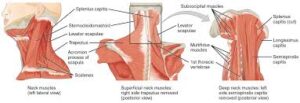
Additionally, the American Journal of Chinese Medicine reports that acupuncture at these points has a calming effect on the central nervous system, further aiding in muscle relaxation.
Real-Life Success Stories
Let’s meet Jane, a software developer in her 30s who spent most of her workday looking at screens.
Over time, she developed a pronounced forward head posture and began experiencing frequent neck pain and tension headaches.
After trying posture braces and gym exercises without much success, Jane decided to explore acupuncture.
Her acupuncturist focused on GB20, SI15, and GB21, which helped relax her upper back and neck.
Within a few sessions, Jane noticed significant relief in her neck pain, and her neck posture started to improve.
She continued her sessions weekly, paired with posture exercises, and within a few months, her forward head posture had visibly corrected.
Another example is Anthony, a 45-year-old teacher who experienced chronic shoulder tightness due to poor posture.
His acupuncturist used a combination of electroacupuncture and traditional acupuncture on points like LI4 and GB20.
After eight sessions, Anthony found his shoulder tightness was gone, and his neck had regained its natural alignment.
The Long-Term Benefits of Acupuncture for Neck Posture
Acupuncture is more than just a temporary pain relief method—it supports long-term posture correction by helping the body adapt to better alignment. When combined with ergonomic adjustments, targeted stretching, and strengthening exercises, acupuncture enhances the body’s ability to maintain proper posture naturally.
Here’s how acupuncture plays a role in correcting forward head posture and neck misalignment:
1. Relieving Muscle Tension and Tightness
One of the biggest challenges of poor neck posture is chronic muscle tightness in the shoulders, neck, and upper back. Acupuncture helps by:
- Releasing tension in overworked muscles that pull the head forward.
- Stimulating trigger points to reduce stiffness in the cervical spine.
- Improving blood circulation, which allows muscles to relax and restore balance.
According to the Journal of Acupuncture and Meridian Studies, acupuncture has been shown to significantly improve range of motion and flexibility in individuals suffering from neck and shoulder pain.
2. Enhancing Body Awareness
Many posture-related issues stem from poor postural awareness. Acupuncture treatments can:
- Help individuals become more mindful of head and neck positioning.
- Encourage better movement patterns by stimulating the nervous system.
- Reduce unconscious habits, like tilting the head forward when using a phone or computer.
3. Strengthening Weak Muscles
Poor posture often leads to muscle imbalances, where some muscles become overactive and tight, while others weaken and fail to provide proper support. Acupuncture aids in:
- Activating underused postural muscles to restore neck stability.
- Reducing fatigue in deep cervical flexors, which are essential for holding the head upright.
4. Reducing Inflammation and Pain Sensitivity
Neck misalignment often leads to chronic inflammation, which worsens posture-related pain. Acupuncture has been found to:
- Reduce pro-inflammatory markers, which contribute to neck stiffness.
- Release endorphins and natural painkillers, decreasing sensitivity in sore muscles.
5. Supporting Nervous System Regulation
Forward head posture can contribute to nerve compression and tension headaches. Acupuncture helps by:
- Improving nerve conduction to the affected muscles.
- Stimulating the parasympathetic nervous system to reduce stress-related muscle tightness.
Combining Acupuncture with Posture-Friendly Practices
For the best results, acupuncture should be combined with daily posture-friendly habits, including:
- Ergonomic adjustments at workstations.
- Stretching routines to counteract prolonged sitting.
- Strength training for postural muscles.
By incorporating acupuncture into a comprehensive posture correction plan, individuals can restore natural alignment, relieve discomfort, and train their bodies to maintain an upright posture effortlessly.
FAQs on Acupuncture to Fix iHunch
Q-1: How does acupuncture help realign forward head posture?
A-1: Acupuncture helps realign forward head posture by targeting muscle tension and restoring balance in the cervical spine, neck muscles, and upper back.
When fine needles are inserted into specific points, they stimulate blood flow and relax tight muscles that pull the head forward.
In the United States, where over 60% of adults report posture-related discomfort, therapies like acupuncture are gaining popularity. By reducing stiffness and improving circulation, acupuncture allows the head to gradually return to a more neutral position.
While it doesn’t physically “push” the spine back, it creates the right conditions for natural alignment.
Q-2: Can acupuncture correct forward head posture naturally?
A-2: Yes, acupuncture can support natural correction of forward head posture, especially when combined with exercises and posture awareness. It works by addressing the root causes—tight muscles and poor circulation.
In the U.S., many people seek non-invasive solutions for posture issues caused by long hours at desks. Acupuncture helps release tension in areas like the upper trapezius and levator scapulae, making it easier to maintain proper alignment.
Over time, this can lead to noticeable improvements in posture.
Q-3: Does acupuncture relieve neck pain caused by poor posture?
A-3: Acupuncture is widely used to relieve neck pain associated with poor posture. By stimulating specific points, it helps reduce inflammation and improve blood flow in the affected areas.
In the U.S., neck pain affects nearly 1 in 3 adults annually, often linked to forward head posture. Acupuncture targets the neck, shoulders, and upper spine, easing muscle tightness and promoting relaxation.
This relief can make it easier to adopt and maintain better posture habits.
Q-4: Can acupuncture fix tech neck and rounded shoulders?
A-4: Acupuncture can help improve tech neck and rounded shoulders by reducing muscle imbalances and tension.
In the U.S., where average screen time exceeds 6–8 hours daily, these posture issues are becoming increasingly common.
Acupuncture works on the muscles of the neck, shoulders, and thoracic spine, helping them relax and function more efficiently.
While it may not completely “fix” posture on its own, it plays a supportive role in a comprehensive correction plan that includes exercise and ergonomic changes.
Q-5: How does acupuncture improve blood flow in the neck?
A-5: Acupuncture enhances blood flow by stimulating the body’s natural healing response.
When needles are inserted into targeted points, they increase circulation in the cervical region and surrounding tissues. Improved blood flow delivers more oxygen and nutrients to the muscles, helping them recover and function properly.
In the U.S., this benefit is particularly valuable for individuals with sedentary lifestyles. Better circulation supports muscle relaxation and contributes to improved posture over time.
Q-6: What acupuncture points are used for neck alignment?
A-6: Acupuncture practitioners use specific points along the neck, shoulders, and upper back, as well as distal points on the hands and legs, to influence alignment.
These points are chosen based on the individual’s symptoms and posture patterns. In the U.S., personalized treatment plans are common, ensuring targeted and effective care.
By stimulating these points, acupuncture helps release tension and restore balance, supporting better neck alignment.
Q-7: Can acupuncture reset muscle imbalances in forward head posture?
A-7: Acupuncture can help reset muscle imbalances by relaxing overactive muscles and activating underused ones.
Forward head posture often involves tight front neck muscles and weak upper back muscles. In the U.S., this imbalance is frequently seen in people with desk jobs.
Acupuncture reduces tension in the tight muscles, allowing the weaker muscles to engage more effectively. This rebalancing is key to improving posture and reducing strain.
Q-8: How long does it take to see results from acupuncture?
A-8: Many individuals begin to notice improvements after 3 to 6 sessions, though results vary depending on the severity of the posture issue.
In the U.S., treatment plans often involve weekly sessions initially, followed by maintenance visits. As muscle tension decreases and circulation improves, changes in posture and comfort become more noticeable.
Consistency is essential for achieving lasting results.
Q-9: Is acupuncture alone enough to correct forward head posture?
A-9: Acupuncture alone may not fully correct forward head posture, but it is a powerful complementary therapy.
In the U.S., experts often recommend combining acupuncture with exercises, stretching, and ergonomic adjustments. While acupuncture addresses muscle tension and circulation, exercises strengthen the neck, shoulders, and core muscles, which are crucial for maintaining proper alignment.
This combined approach yields the best outcomes.
Q-10: What daily habits enhance the effects of acupuncture on posture?
A-10: To maximize the benefits of acupuncture, it is important to adopt supportive daily habits.
These include maintaining a neutral head position, taking breaks every 30–60 minutes, and setting up an ergonomic workspace. In the U.S., where prolonged sitting is common, these habits are essential. Strengthening and stretching the neck, shoulders, and upper back can further enhance results.
Staying consistent with these practices helps maintain improved alignment and prevents posture from worsening again.
Expert Tip:
Acupuncture offers a gentle and effective way to support the realignment of forward head posture by addressing muscle tension, improving circulation, and restoring balance within the body.
In the United States, where posture-related issues are increasingly common due to sedentary lifestyles and prolonged screen use, this traditional therapy is gaining renewed attention.
While acupuncture does not directly reposition the spine, it plays a crucial role in creating the conditions necessary for natural alignment.
By relaxing tight muscles and enhancing blood flow, it allows the body to move more freely and maintain better posture.
For the best results, acupuncture should be part of a comprehensive approach that includes exercise, ergonomic improvements, and consistent posture awareness. Together, these strategies can lead to lasting improvements in alignment, reduced pain, and enhanced overall well-being.

Achieving Balance Through Acupuncture
While forward head posture is often caused by our modern lifestyle, acupuncture offers a natural and effective way to correct this misalignment.
The question, “how to fix nerd neck? ” still remains large.
By targeting specific points to release muscle tension, improve blood flow, and restore energy balance, acupuncture works holistically to support the body’s natural posture.
To maximize benefits, acupuncture should be part of a comprehensive approach that includes ergonomic adjustments, stretching, and exercises.
If you are struggling with forward head posture, consider giving acupuncture a try—not only for the pain relief but for a truly aligned posture and a healthier spine.
References: