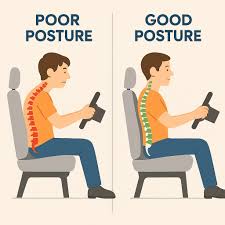
Driving may feel like a passive activity, but your body is constantly working to maintain posture, control the vehicle, and stay alert.
One of the most overlooked factors affecting both comfort and safety is neck posture.
A forward-leaning head or slouched position may seem harmless at first.
However, over time, poor neck alignment can lead to pain, fatigue, and even delayed reaction times.
Drivers are especially vulnerable to posture-related strain due to prolonged sitting.
Incorrect driving posture significantly increases the risk of musculoskeletal discomfort and long-term issues.
Neck discomfort is not just a health concern—it directly affects how safely you drive.
Understanding this connection is the first step toward better driving habits and reduced risk on the road.
Article Index
- What Is Bad Neck Posture While Driving?
- Why Drivers Are Prone to Poor Neck Alignment
- The Link Between Neck Posture and Driving Comfort
- How Poor Neck Posture Affects Reaction Time and Safety
- The Role of Forward Head Posture in Driving Fatigue
- Long-Term Health Risks for Frequent Drivers
- Impact on Visibility and Situational Awareness
- Psychological Effects: Stress, Fatigue, and Focus
- Scientific Insights on Posture and Driving Risks
- FAQs on Bad Neck Posture while Driving
- Practical Ways to Improve Neck Posture While Driving
What Is Bad Neck Posture While Driving?
Bad neck posture while driving usually refers to positions where the head is pushed forward, tilted downward, or left unsupported for long periods.
As per bestforwardheadposturefix.com, “The most common example is forward head posture, where the head sits ahead of the shoulders instead of aligning naturally with the spine”.
Globally, posture-related issues are extremely common—studies suggest that nearly 60–70% of adults experience neck pain at some point in their lives, with poor posture being one of the leading contributors. This position may feel normal, especially when you are focused on the road, but it places excessive strain on the neck muscles and joints.
In an ideal driving posture, your ears should align vertically with your shoulders, forming a straight line through the spine.
However, research on driver ergonomics shows that a significant proportion of drivers—especially those on long commutes—tend to lean forward toward the steering wheel, particularly in heavy traffic or during intense concentration.
Over time, this repeated habit creates persistent tension in the neck and upper back, contributing to the growing global burden of musculoskeletal discomfort.
The issue becomes more pronounced during long drives, when the body remains in a fixed position for extended durations.
According to global occupational health data, prolonged static sitting is linked to a sharp increase in muscular fatigue and reduced circulation, particularly in the cervical spine region.
Biomechanically, for every inch the head moves forward, the effective load on the neck can increase significantly, amplifying stress on muscles and ligaments.
In simple terms, bad neck posture is not just a visual misalignment—it is a mechanical overload that your body pays for with discomfort, fatigue, and a higher risk of long-term strain.
Why Drivers Are Prone to Poor Neck Alignment?
Driving naturally encourages poor posture due to the way the body is positioned. You are seated, focused, and often stationary for long stretches, which creates ideal conditions for postural drift. Globally, sedentary behavior has increased significantly, with studies suggesting that adults spend 6–10 hours daily sitting, which directly contributes to poor spinal alignment and neck issues.
One of the main causes is improper seat setup. If your seat is too far from the steering wheel, you instinctively lean forward. Similarly, an incorrectly adjusted headrest fails to support the neck, allowing the head to shift out of alignment. Research in ergonomics shows that a large percentage of drivers do not adjust their seats correctly, increasing strain on the cervical spine.
Another key factor is habit. With over one billion people worldwide using computers daily, forward head posture has become increasingly common and often carries over into driving. Fatigue adds to the problem, as tired muscles lead to slouching and further misalignment.
Professional drivers face even higher risks due to long hours, making poor posture a repeated and reinforced habit over time.
The Link Between Neck Posture and Driving Comfort
Comfort while driving depends heavily on how well your body is supported. When your neck is out of alignment, your muscles must work harder to stabilize your head, leading to fatigue and discomfort. Globally, studies indicate that up to 70% of people experience neck pain at some point, with poor posture being a major contributing factor, especially during prolonged sitting activities like driving.
Initially, you may notice mild stiffness or tightness in the neck. Over time, this discomfort can spread to the shoulders, upper back, and even the arms, as interconnected muscle groups compensate for poor alignment. Research on musculoskeletal health shows that posture-related strain often radiates beyond the original point of discomfort.
Poor posture also reduces blood circulation and increases muscle tension, contributing to that persistent “aching” sensation during or after a drive. The longer you remain in a strained position, the more intense the discomfort becomes.
This discomfort doesn’t remain purely physical—it influences behavior. Drivers who are uncomfortable are more likely to fidget or lose focus, creating subtle distractions. Maintaining proper neck posture helps reduce fatigue, improve concentration, and ensure a smoother, more comfortable driving experience.
How Poor Neck Posture Affects Reaction Time and Safety?
Driving safely depends on quick reflexes, sharp focus, and coordinated movement—but poor neck posture can disrupt all three. Globally, road safety data suggests that human factors contribute to over 90% of road accidents, with delayed reaction time being a major element. When the neck is strained, nerve signaling and muscular response can slow down, reducing overall responsiveness.
Discomfort further divides attention. Studies indicate that drivers experiencing physical pain show up to a 20–30% decline in concentration levels, which directly affects reaction speed. Even a fraction-of-a-second delay can significantly increase crash risk in sudden braking or obstacle avoidance situations.
Poor posture also impacts proprioception—your body’s awareness of movement and position—leading to less precise steering and slower adjustments. Fatigue adds another layer, as global research shows that driver fatigue contributes to nearly 10–20% of road accidents worldwide.
In essence, poor neck posture triggers a chain reaction: physical strain reduces focus, slows reactions, and ultimately compromises driving safety.
The Role of Forward Head Posture in Driving Fatigue
Forward head posture is a major contributor to driving fatigue, and its impact is supported by global data. Biomechanical studies show that when the head shifts just a few inches forward, the effective load on the neck can increase by up to 2–3 times, placing excessive strain on muscles. This added workload accelerates fatigue, leading to stiffness, soreness, and reduced endurance over time.
Globally, fatigue is a significant safety concern, contributing to approximately 10–20% of road accidents, particularly during long-distance driving. As muscles tire, maintaining proper posture becomes difficult, causing the head to drift further forward and intensify the strain—creating a self-reinforcing cycle of fatigue.
This fatigue is not just physical. Research indicates that tired drivers experience reduced alertness and slower cognitive processing, increasing the likelihood of errors. Long drives without breaks worsen the problem, as continuous sitting amplifies both muscular and mental exhaustion.
In essence, forward head posture transforms driving into a physically draining and mentally taxing activity, reducing both comfort and performance.
Long-Term Health Risks for Frequent Drivers
For people who drive regularly, poor neck posture can lead to serious long-term health issues. Globally, musculoskeletal disorders (MSDs) affect over 1.7 billion people, making them one of the leading causes of disability. What begins as occasional discomfort during driving can gradually develop into chronic pain and structural problems.
One of the most common risks is persistent neck and back disorders, which account for a significant portion of workplace-related health complaints worldwide. Repeated strain from poor posture contributes to gradual wear and tear in the cervical spine, leading to stiffness and reduced mobility. Studies show that up to 50% of frequent drivers report recurring neck pain, especially those with long daily commutes.
In addition, tension headaches linked to neck strain affect a large percentage of adults globally. In severe cases, nerve compression may occur, causing tingling or numbness in the arms.
These conditions extend beyond driving, impacting sleep, productivity, and overall well-being. Maintaining proper neck alignment is essential for long-term health and daily functionality.
Impact on Visibility and Situational Awareness
Driving safely requires constant awareness of your surroundings, but poor neck posture can significantly limit this ability. Globally, road safety data shows that over 90% of accidents are linked to human error, with reduced visibility and delayed observation playing a key role.
When the neck is stiff or misaligned, turning the head becomes difficult, restricting proper checks of blind spots, mirrors, and side views.
As a result, many drivers rely heavily on mirrors, which provide only partial coverage. Research indicates that blind spots contribute to a notable percentage of lane-change collisions worldwide, highlighting the importance of full head movement.
Poor posture can also affect your natural line of sight, making it harder to maintain clear visual focus. Efficient situational awareness depends on quick scanning, but limited neck mobility slows this process.
In high-speed or congested traffic conditions, even a slight delay in checking surroundings can increase accident risk. Proper posture enhances mobility, visibility, and overall driving safety.
Psychological Effects: Stress, Fatigue, and Focus
Physical discomfort doesn’t stay limited to the body—it affects mental performance as well.
Globally, studies show that stress and fatigue contribute to nearly 10–20% of road accidents, with discomfort playing a key underlying role. Poor neck posture can increase irritability, reduce focus, and make driving more mentally taxing.
When your body is uncomfortable, your brain continuously processes that discomfort, lowering cognitive efficiency.
Research indicates that pain can reduce concentration levels by up to 25%, directly affecting attention during tasks like driving. Poor posture can also restrict breathing, leading to shallow respiration, which is linked to increased fatigue and reduced alertness.
Drivers experiencing ongoing discomfort are more likely to feel mentally drained, especially on long journeys. This can result in slower decision-making and decreased situational awareness.
When mental fatigue combines with physical strain, the risk of driving errors rises significantly.
Maintaining proper posture supports both physical ease and mental clarity, which are essential for safe driving.
Scientific Insights on Posture and Driving Risks
Modern research consistently highlights a strong connection between posture and driving performance.
Globally, musculoskeletal disorders affect over 1.7 billion people, with poor posture identified as a leading contributor to discomfort, reduced mobility, and fatigue.
Drivers with improper neck posture report significantly higher rates of neck and upper back pain, with studies suggesting that up to 50–70% of drivers experience posture-related discomfort during regular driving.
This discomfort can interfere with focus and reaction time, both critical for safe driving. Prolonged driving without proper posture also increases the likelihood of chronic musculoskeletal conditions, particularly in the cervical spine.
Emerging research shows that poor posture can impair proprioception—the body’s ability to sense movement and position—affecting coordination and response accuracy. Even small reductions in these abilities can impact driving performance.
Overall, global data reinforces that posture is not just about comfort. It plays a crucial role in physical capability, mental focus, and the ability to respond effectively on the road.
Practical Ways to Improve Neck Posture While Driving
Improving neck posture while driving doesn’t require drastic changes—just consistent attention to small adjustments supported by global ergonomics data.
Studies show that over 60% of drivers do not set their seats correctly, which increases the risk of neck and back strain.
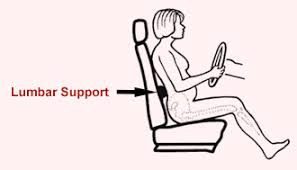
Start by adjusting your seat so your back is fully supported, with hips positioned at the back and the spine upright.
Proper headrest positioning is equally important. Safety guidelines suggest that correctly adjusted headrests can reduce neck strain and even lower the risk of injury in rear-end collisions.
Keep the steering wheel at a comfortable distance, with slightly bent elbows, to avoid leaning forward—a common habit seen in a large percentage of drivers.
For long drives, experts recommend taking breaks every 60–90 minutes, as prolonged sitting is linked to increased fatigue and reduced circulation. Strengthening neck and upper back muscles via neck tilts can further improve posture.
Awareness remains key—since posture habits influence nearly 70% of daily movement patterns, small corrections can lead to lasting improvements.
FAQs on How Bad Neck Posture Impacts Your Driving:
Q-1: How does bad neck posture affect driving comfort and safety?
A-1: Bad neck posture plays a major role in both comfort and safety while driving. Studies show that nearly 60% of drivers experience neck or back discomfort during long trips, often due to poor posture.
Forward head posture shifts the head’s weight, increasing strain on neck muscles by up to 2–3 times. This leads to stiffness, fatigue, and reduced focus. Over time, discomfort can distract drivers, increasing the risk of errors and delayed responses on the road.
Q-2: What is the impact of forward head posture on driving performance and reaction time?
A-2: Forward head posture can directly affect driving performance. Research indicates that poor posture can slow reaction time by up to 10%–15%, especially during long drives.
When the head is misaligned, it restricts natural movement and reduces alertness. This can make it harder to respond quickly to sudden changes, such as braking vehicles or unexpected obstacles, increasing the likelihood of accidents.
Q-3: How does poor neck posture cause neck pain while driving long distances?
A-3: Poor neck posture places continuous stress on muscles and ligaments. During long drives, static positioning can reduce blood flow, leading to stiffness and discomfort.
Around 70% of adults report neck pain at some point, and prolonged driving is a common trigger. When the neck is not properly supported, muscles fatigue faster, resulting in soreness that can persist even after the journey ends.
Q-4: What are the effects of bad posture on driver visibility and road safety?
A-4: Bad posture can limit a driver’s field of vision. Slouching or leaning forward alters eye level and reduces peripheral awareness. Studies suggest that reduced visibility can increase accident risk by up to 20% in certain conditions.
Proper posture helps maintain a clear line of sight and allows for better scanning of mirrors and surroundings, which is essential for safe driving.
Q-5: How can you fix neck posture for safer and more comfortable driving?
A-5: Improving neck posture starts with proper seat and headrest adjustments. Experts recommend keeping the head aligned with the spine and positioning the headrest to support the middle of the head.
About 80% of drivers do not correctly adjust their headrests, which contributes to poor posture. Small changes, like sitting upright and keeping shoulders relaxed, can significantly improve comfort and reduce strain.
Q-6: What is the relationship between neck stiffness and driving accident risk?
A-6: Neck stiffness can limit mobility, making it harder to check blind spots or react quickly. Research shows that restricted neck movement can reduce range of motion by up to 25%, affecting driving awareness.
This limitation can delay important actions, such as turning the head to observe traffic, increasing the chances of collisions, especially in high-speed or complex driving situations.
Q-7: How does improper sitting posture in cars lead to driving fatigue and discomfort?
A-7: Improper sitting posture increases muscle fatigue and reduces endurance. When the spine and neck are misaligned, muscles must work harder to maintain balance.
This can lead to fatigue within 30–60 minutes of driving, especially on long trips. Fatigue not only causes discomfort but also reduces concentration, making drivers more prone to mistakes and slower reactions.
Q-8: Does forward head posture reduce driving awareness and reaction speed?
A-8: Yes, forward head posture can negatively impact awareness and reaction speed. By straining neck muscles and reducing oxygen flow, it can lead to decreased alertness.
Studies indicate that driver fatigue contributes to over 15% of road accidents, and poor posture is a contributing factor. Maintaining proper alignment helps improve focus and responsiveness.
Q-9: What are ergonomic driving posture tips to prevent neck pain and improve safety?
A-9: Ergonomic driving involves aligning the seat, steering wheel, and mirrors correctly. Keeping knees slightly bent, back supported, and head aligned with the spine can reduce strain.
Research shows that proper ergonomics can lower musculoskeletal discomfort by up to 40%. Regular breaks during long drives also help maintain flexibility and reduce fatigue.
Q-10: How does car seat position affect neck posture and driving performance?
A-10: Car seat position has a direct impact on posture and performance. Sitting too far or too close to the steering wheel can force awkward neck angles.
Experts recommend maintaining a distance that allows slight elbow bend and full back support.
Poor seat positioning contributes to discomfort in nearly 65% of drivers, affecting both comfort and control. Proper adjustments enhance posture, reduce strain, and improve overall driving safety.
Conclusion
Bad neck posture while driving is more than just an ergonomic concern—it directly impacts both comfort and safety in meaningful ways.
From muscle strain and fatigue to reduced reaction time and limited visibility, the effects are far-reaching and often underestimated.
Poor alignment forces your body to work harder than necessary, leading to discomfort that distracts your focus and slows your responses on the road.
Over time, these issues can develop into chronic conditions that affect not just driving but overall quality of life. The encouraging part is that these risks are largely preventable.
Simple adjustments like proper seat positioning, regular breaks, and increased posture awareness can significantly improve your driving experience.
A well-supported neck helps maintain physical ease, mental clarity, and better control behind the wheel. Ultimately, improving your posture is not just about comfort—it is a practical step toward safer, more efficient, and more enjoyable driving every day.