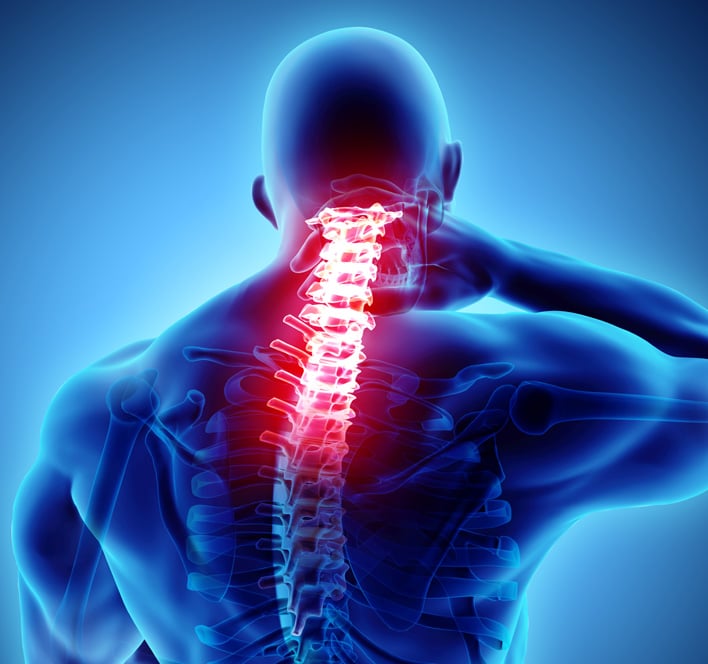
Arthritis and posture problems like forward head carriage might seem unrelated at first glance, but these two issues are often closely intertwined.
Many people living with arthritis, particularly in the neck and shoulders, unknowingly develop poor postural habits as a response to pain and joint degeneration.
In this article, bestforwardheadposturefix.com will dive into the intricate relationship between arthritis and forward head carriage, uncovering how this common condition causes changes in posture.
We shall also explore some solutions, including exercises for correction and management strategies.
Contents of this Article:
- Introduction to Arthritis and Forward Head Carriage
- Understanding Forward Head Carriage: The What and Why
- The Link Between Arthritis and Posture
- Cervical Spondylosis and its Role in Forward Head Carriage
- Rheumatoid Arthritis and Neck Pain: The Silent Postural Enemy
- How Arthritis Causes Anterior Head Carriage
- Forward Head Carriage Correction: Exercises and Strategies
- Anterior Head Carriage Exercises: Strengthening and Stretching
- FAQs on Arthritis and Nerd Neck
- Conclusion: Can You Correct Forward Head Carriage Caused by Arthritis?
Arthritis and Forward Head Carriage
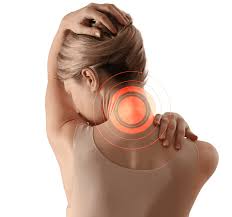
Arthritis is often associated with painful, stiff joints, but what many do not realize is its profound effect on posture.
Specifically, arthritis in the neck and shoulders can gradually lead to forward head carriage, a condition where the head protrudes out in front of the body, causing a slouched and imbalanced look.
This article will cover everything you need to know about how arthritis contributes to forward head carriage, common symptoms, and what you can do to correct it.
Understanding Forward Head Carriage: The What and Why?
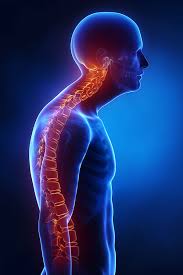
Forward head carriage, also known as anterior head carriage, occurs when the head shifts forward, away from its natural alignment with the spine.
This posture leads to excessive strain on the neck, shoulders, and upper back.
Why does this happen?
Our modern lifestyle—sitting at desks, working on computers, and looking down at phones—is notorious for contributing to poor posture.
But when arthritis enters the picture, the story becomes more complicated.
The pain and stiffness of arthritis can cause individuals to unconsciously compensate by shifting their head forward, putting extra strain on already inflamed joints.
The Link Between Arthritis and Posture
Posture arthritis is a term used to describe the postural changes that develop due to arthritis-related pain and inflammation.
Arthritis in the neck, specifically, can weaken muscles and stiffen joints (such as hip joint stress), leading to a forward shift of the head.
When arthritis affects the cervical vertebrae, the natural curve of the neck begins to straighten or even reverse.
This not only strains the muscles that hold your head up but also creates a misalignment that can lead to anterior head carriage.
The connection between arthritis and posture is often underestimated, but studies have shown a strong correlation between conditions like cervical spondylosis and poor neck posture (Smith et al., 2019).
Cervical Spondylosis and its Role in Forward Head Carriage
Cervical spondylosis refers to age-related wear and tear (sometimes genetic as well) affecting the cervical vertebrae in the neck. This common form of arthritis leads to the breakdown of cartilage and discs between the bones of the neck.
Over time, this wear and tear causes stiffness and pain, prompting people to shift their heads forward in an attempt to find relief.
A study published in the Journal of Orthopedic Science (2020) showed that cervical spondylosis in the neck can lead to significant postural shifts, including forward head carriage.
As the cartilage breaks down and neck mobility is reduced, it becomes harder to maintain a neutral head position, and the head starts to inch forward.
Rheumatoid Arthritis and Neck Pain: The Silent Postural Enemy
While rheumatoid arthritis neck pain is less common than osteoarthritis, it can still contribute to postural problems.
Rheumatoid arthritis (RA) is an autoimmune condition that causes chronic inflammation in the joints, including the neck. RA can erode the joints and tissues in the cervical spine, leading to misalignment and neck instability.
Because of the pain associated with arthritis in the neck and shoulder, many individuals compensate by slouching forward.
Unfortunately, this leads to chronic anterior head carriage, which can exacerbate pain and cause additional stress on the neck muscles.
RA patients often report neck discomfort as one of their most persistent symptoms, and this can create a vicious cycle of worsening posture (Thompson et al., 2018).
How Arthritis Causes Anterior Head Carriage?
So, how exactly does arthritis lead to anterior head carriage?
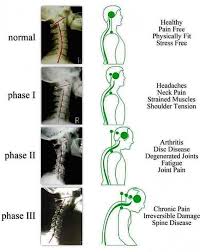
The answer lies in the mechanics of pain and joint degeneration. Arthritis, particularly in the neck, causes inflammation and stiffness, which restricts normal movement.
In response to pain, people tend to shift their posture unconsciously, moving their head forward and downward to relieve tension in the affected joints.
As this forward shift becomes habitual, the muscles in the neck and upper back weaken, exacerbating the problem.
Over time, this can lead to long-term postural issues like arthrosis of the neck, a condition where joint degeneration worsens due to misalignment.
This domino effect starts with arthritis and ends with a chronic postural problem that’s hard to reverse without targeted intervention.
Forward Head Carriage Correction: Exercises and Strategies
The good news is that there are effective solutions for forward head carriage correction.
While arthritis-related postural changes can be challenging to address, certain exercises can help realign the head and strengthen the muscles supporting the neck and upper back.
Anterior Head Carriage Exercises: Strengthening and Stretching:
If you’re dealing with anterior head carriage caused by arthritis, exercises that target the muscles of the neck and upper back can make a significant difference.
Here are a few key forward head carriage exercises:
- Chin Tucks: This simple movement helps strengthen the deep neck flexors, encouraging better alignment of the head over the spine.
- Shoulder Blade Squeezes: Strengthening the muscles between your shoulder blades helps pull your head back into a neutral position.
- Neck Stretch: Stretching the muscles in the front of your neck can relieve tightness caused by arthritis cervical vertebrae and improve mobility.
- Wall Angels: This exercise promotes proper posture by opening up the chest and strengthening the upper back muscles.
Consistency with these exercises can improve posture over time, even if arthritis is causing the initial misalignment. It is crucial to listen to your body and adapt exercises to your comfort level.
FAQs on Arthritis and Nerd Neck Posture
Q-1: How does cervical arthritis cause forward head posture and neck misalignment?
A: Cervical arthritis, commonly known as osteoarthritis of the neck, leads to forward head posture by gradually breaking down the joints and discs that support proper alignment.
As cartilage wears away, the spine loses its natural curvature, causing the head to shift forward to compensate. In the United States, cervical spondylosis affects nearly 85% of people over age 60, making it a leading contributor to posture changes.
This degeneration alters biomechanics, forcing surrounding muscles to work harder, which further pulls the head out of alignment over time.
Q-2: Can arthritis in the neck lead to forward head carriage over time?
A: Yes, arthritis in the neck can lead to forward head carriage as the condition progresses.
Chronic joint inflammation and stiffness reduce mobility, making it difficult to maintain an upright posture. According to U.S. health data, about 58% of adults with chronic neck pain also show signs of postural imbalance.
Over time, the body adapts to discomfort by shifting the head forward, which reduces immediate pain but worsens alignment in the long run.
Q-3: What is the relationship between cervical spondylosis and forward head posture progression?
A: Cervical spondylosis accelerates the progression of forward head posture by weakening the structural integrity of the spine.
Degenerative changes in discs and facet joints reduce shock absorption, leading to stiffness and reduced flexibility. In the United States, studies show that nearly 70% of older adults experience reduced cervical mobility due to spondylosis.
This limited range of motion encourages compensatory postures, including forward head positioning, which becomes more pronounced over time.
Q-4: How does joint degeneration in the neck cause forward head posture symptoms?
A: Joint degeneration causes forward head posture symptoms by disrupting the balance between stability and mobility in the cervical spine.
As joints deteriorate, muscles tighten to protect the area, leading to stiffness and misalignment. U.S. musculoskeletal research indicates that degenerative joint conditions contribute to posture-related discomfort in over 60% of cases.
This imbalance results in symptoms like neck pain, headaches, and reduced range of motion, all associated with forward head posture.
Q-5: Does arthritis weaken neck muscles leading to forward head posture?
A: Arthritis indirectly weakens neck muscles by limiting movement and causing pain, which reduces muscle engagement over time.
In the U.S., nearly 50% of individuals with chronic neck conditions report muscle weakness due to inactivity. Weak muscles fail to support the head properly, allowing it to drift forward.
This creates a cycle where poor posture further strains already weakened muscles, worsening forward head carriage.
Q-6: How does inflammation from neck arthritis affect head position and posture?
A: Inflammation from neck arthritis causes swelling and pain in the joints, which alters normal movement patterns.
To avoid discomfort, individuals often adopt a forward head position that reduces pressure on inflamed areas. In the United States, inflammatory responses are a key factor in over 65% of arthritis-related pain cases.
This protective posture may provide temporary relief but contributes to long-term misalignment and posture issues.
Q-7: Can spinal degeneration from arthritis worsen forward head posture alignment?
A: Yes, spinal degeneration from arthritis significantly worsens forward head posture alignment.
As discs lose height and elasticity, the spine becomes less stable, leading to structural imbalance. U.S. spine health data shows that degenerative disc disease is present in nearly 40% of adults over age 40.
This degeneration shifts the center of gravity forward, making it difficult to maintain proper head and neck alignment.
Q-8: Why does cervical osteoarthritis lead to poor posture and forward head tilt?
A: Cervical osteoarthritis leads to poor posture because it reduces joint flexibility and causes chronic pain, both of which affect alignment.
In the United States, arthritis is a leading cause of disability, affecting over 23% of adults.
The resulting stiffness and discomfort encourage compensatory movements, such as tilting the head forward, which gradually becomes a habitual posture.
Q-9: How do bone spurs in neck arthritis contribute to forward head posture?
A: Bone spurs, or osteophytes, develop as the body attempts to repair joint damage caused by arthritis.
These growths can restrict movement and compress surrounding tissues, leading to discomfort. U.S. clinical findings show that bone spurs are present in a significant percentage of advanced arthritis cases.
This restriction in mobility forces the head into a forward position to minimize pain, contributing to posture changes.
Q-10: What are the effects of chronic neck arthritis on posture and forward head carriage development?
A: Chronic neck arthritis has long-term effects on posture by progressively altering spinal alignment and muscle function.
In the United States, chronic conditions account for nearly 75% of healthcare costs, with musculoskeletal disorders being a major contributor. Over time, persistent pain, stiffness, and degeneration lead to forward head carriage, reduced mobility, and decreased quality of life.
Early intervention and posture correction strategies are essential to slow this progression.
Can You Correct Forward Head Carriage Caused by Arthritis?
So, can arthritis lead to forward head carriage, and can you correct it?
The answer is a resounding yes, though it requires understanding the underlying mechanics. Arthritis in the neck and shoulders, particularly conditions like cervical spondylosis and rheumatoid arthritis, can significantly contribute to postural issues like anterior head carriage.
However, through targeted anterior head carriage exercises and postural awareness, you can counteract the effects of arthritis on your posture.
While you cannot reverse arthritis, you can certainly manage its impact on your body, prevent further degeneration, and reduce pain.
Understanding how arthritis affects your posture is the first step toward regaining control over it.
References: