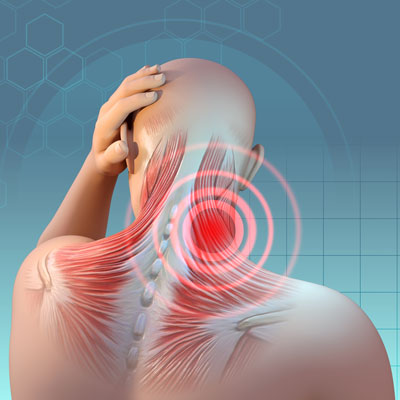
If you have ever caught yourself leaning toward your screen, chin jutting forward and shoulders rounding in, you have experienced the beginnings of Forward Head Posture (FHP).
It may seem harmless—just a “bad habit”—but the truth is far more impactful.
This subtle shift in alignment doesn’t just strain your neck; it quietly affects your stress levels, breathing, brain function, and overall mental energy.
In today’s digital-first lifestyle, FHP has become almost the default posture. And with it comes a cascade of physiological and psychological consequences—most notably chronic stress and mental fatigue.
This article by bestforwardheadposturefix.com breaks down exactly how that happens, connecting posture to your nervous system, oxygen flow, hormonal balance, and cognitive performance.
By the end, you shall not only understand the problem but also know how to fix it effectively.
Article Index
- What is Forward Head Posture?
- How Modern Lifestyle Fuels FHP
- The Biomechanics: Why FHP Strains Your Body
- Nervous System Overload: The Stress Connection
- How FHP Disrupts Breathing Patterns
- Reduced Oxygen and Mental Fatigue
- The Brain-Posture Feedback Loop
- Hormonal Effects of Chronic Postural Stress
- Sleep Disruption and Recovery Impairment
- Emotional Impact: Anxiety, Irritability, and Mood Swings
- Cognitive Decline: Focus, Memory, and Productivity
- The Long-Term Health Risks
- Breaking the Cycle: Awareness and Correction
- Practical Strategies to Reverse FHP
- FAQs
- Conclusion
What is Forward Head Posture?
Forward Head Posture (FHP) occurs when your head shifts in front of your shoulders instead of being neatly stacked above them.
Ideally, your ears should align with your shoulders when viewed from the side—but in FHP, that line creeps forward, sometimes so gradually you barely notice it.
This small shift has a surprisingly big mechanical impact.
Your head typically weighs about 4–5 kg in a neutral position, but studies show that for every inch it moves forward, the load on your neck can increase by up to 10 kg—nearly 2–3 times the normal weight.
No wonder your neck feels like it’s carrying a hidden burden!
Over time, this constant strain forces your neck, shoulders, and upper back to overcompensate.
Research suggests that over 60% of desk workers exhibit some degree of FHP, often leading to muscle tightness and fatigue.
Imagine someone hunched over a laptop all day—their body slowly adapts to that posture.
What begins as a minor alignment issue can evolve into chronic tension, impacting not just physical comfort but also stress levels and mental energy.
How Modern Lifestyle Fuels FHP?
Forward Head Posture (FHP) is not random—it is the result of everyday habits quietly adding up.
Think about it: scrolling on your phone for hours, working on a laptop placed too low, slouching into the couch during a Netflix binge, or sitting for long stretches without breaks. Each of these positions nudges your head forward.
Research shows that over 70% of smartphone users tilt their heads downward for prolonged periods, while desk-based workers spend 6–8 hours daily sitting, often with poor ergonomics.
Over time, your muscles adapt and “memorize” this posture.
For example, someone who checks their phone every 10 minutes may unknowingly reinforce this pattern dozens of times a day.
Repetition is where the real problem lies. Studies suggest that consistent poor posture habits can become ingrained within weeks, making correction harder over time.
Your brain starts accepting FHP as the new normal.
The bottom line?
Your environment shapes your posture—and in turn, your posture influences your stress levels, focus, and overall mental clarity more than you might expect.
The Biomechanics: Why FHP Strains Your Body
Your body is designed for balance, where muscles share the workload efficiently. But Forward Head Posture (FHP) throws this system off track.
When your head shifts forward, the muscles at the back of your neck become overworked and tight, while deep stabilizing muscles weaken.
At the same time, your shoulders round forward and your upper spine stiffens—creating a chain reaction of imbalance.
Studies show that muscle activity in the neck can increase by up to 30–40% in poor posture, meaning your muscles are working overtime even when you think you’re “relaxing.”
For example, someone sitting at a desk with their head jutting forward may feel tired by midday—not because of workload, but because their muscles have not truly switched off.
This constant low-grade tension keeps your body in a semi-alert state. Over time, research links such physical strain to elevated stress hormone levels by up to 20%, signaling your brain that something is wrong.
The result?
Persistent fatigue, reduced recovery, and a nervous system that struggles to fully relax.
Nervous System Overload: The Stress Connection
Your posture has a surprisingly direct connection to your nervous system. Forward Head Posture (FHP) tends to trigger the sympathetic nervous system—the “fight or flight” mode designed for emergencies.
When your body senses imbalance or strain, it prepares for action, even if you’re just sitting at your desk.
This can lead to subtle but constant changes like a slightly elevated heart rate, increased muscle tension, and a heightened state of alertness.
Research suggests that poor posture can increase stress responses by up to 25%, while prolonged muscle tension can raise baseline heart rate by 5–10%.
For example, someone working long hours on a laptop may feel oddly anxious or restless without any obvious reason.
The problem?
This state isn’t meant to last all day.
Yet, studies indicate that over 65% of office workers remain in low-level stress states due to posture and work habits.
Over time, this drains your energy and keeps your mind in a wired-but-tired loop—like an engine that never fully shuts down.
How FHP Disrupts Breathing Patterns?
Your posture has a direct impact on how you breathe—and Forward Head Posture (FHP) quietly disrupts this essential function.
When your head shifts forward, your chest tends to collapse slightly, your diaphragm loses its full range of motion, and your breathing becomes shallow and rapid instead of slow and deep.
Studies show that poor posture can reduce lung capacity by up to 30%, forcing the body to rely more on chest breathing rather than diaphragmatic breathing.
This shallow breathing pattern is strongly linked to stress and anxiety, with research indicating it can increase feelings of tension by 20–25%.
For example, think of someone hunched over a laptop for hours—they may not notice it, but their breathing becomes quick and uneven.
Over time, this reduces oxygen efficiency, meaning your brain receives less of the fuel it needs to stay focused and alert.
In simple terms, poor posture leads to poor breathing—and poor breathing keeps your body stuck in a cycle of stress and mental fatigue.
Reduced Oxygen and Mental Fatigue
Your brain is an energy-hungry organ, using about 20% of your body’s total oxygen supply despite making up only ~2% of your body weight.
So when your breathing is compromised—like it often is with Forward Head Posture (FHP)—your brain feels the effects almost immediately.
Reduced oxygen delivery can lead to symptoms such as brain fog, poor concentration, slower thinking, and that all-too-familiar mental exhaustion.
Research suggests that even a 5–10% drop in oxygen efficiency can noticeably impact cognitive performance and alertness.
For example, imagine sitting hunched over your desk for 4–5 hours.
You may not feel physically tired, but your mind starts to feel sluggish and unfocused. That is not just workload—it is reduced oxygen supply quietly affecting your brain.
Over time, these small drops add up. Studies indicate that prolonged sitting and poor posture can lower mental productivity by up to 15–20%.
In short, your posture is not just affecting your body—it is subtly draining your brain’s energy reserves throughout the day
The Brain-Posture Feedback Loop
Posture and mental state are closely linked, creating a feedback loop that’s easy to fall into.
When you feel stressed, tired, or overwhelmed, your body naturally slumps forward. But here is the catch—adopting that slouched, forward head posture actually reinforces those same feelings.
Research shows that people with poor posture report up to 30% higher stress levels, while upright posture can improve mood and energy by 15–20%.
So the cycle looks like this: poor posture increases stress, stress worsens posture, and the loop continues.
For example, after a long, exhausting day, you might find yourself hunched over your phone or desk.
That posture signals your brain to stay in a low-energy, stressed state, making it harder to feel refreshed—even after rest.
Over time, studies suggest that over 65% of individuals develop habitual postural patterns linked to their emotional state.
Without awareness, this loop becomes automatic.
Breaking it requires conscious correction—small changes in posture can interrupt the cycle and gradually improve both physical comfort and mental clarity.
Hormonal Effects of Chronic Postural Stress
Chronic stress from Forward Head Posture (FHP) doesn’t just stay in your muscles—it spills over into your hormones.
One of the key players here is cortisol, often called the “stress hormone.”
When your body senses strain or imbalance, it releases cortisol to help you cope. That is helpful in short bursts—but not when it is constant.
Research shows that prolonged physical stress can keep cortisol levels elevated by 15–25% above normal, which gradually takes a toll on your body.
This can lead to persistent fatigue, reduced immunity (studies suggest immune efficiency may drop by up to 30%), mood swings, and even increased fat storage—especially around the abdomen.
For example, someone dealing with poor posture all day may feel unusually tired, catch colds more often, or struggle with low motivation.
That is not just lifestyle—it is hormonal imbalance at play.
Over time, your body shifts into “survival mode” instead of recovery. This ongoing imbalance is a major contributor to mental fatigue, making it harder to feel energized, focused, and emotionally stable.
Sleep Disruption and Recovery Impairment
The effects of Forward Head Posture (FHP) don’t clock out when you go to bed—they often follow you into the night.
Neck tension and poor alignment can make it hard to find a comfortable sleeping position, affect breathing, and prevent your muscles from fully relaxing.
Research shows that people with neck pain or poor posture are up to 40% more likely to experience disrupted sleep, while shallow breathing during sleep can reduce sleep quality by 20–30%.
For example, if your neck is strained, you may toss and turn trying to get comfortable, or wake up feeling stiff and unrested despite getting 7–8 hours in bed.
This leads to a frustrating cycle: poor posture causes poor sleep, poor sleep increases fatigue, and fatigue makes your posture worse the next day.
Studies suggest that over 60% of adults with chronic fatigue also report sleep issues linked to physical discomfort.
Breaking this cycle is crucial. Improving posture—even slightly—can help your body relax better at night, leading to deeper sleep, better recovery, and more sustained energy during the day.
Emotional Impact: Anxiety, Irritability, and Mood Swings
Your posture shapes your emotional state more than most people realize.
Forward Head Posture (FHP), with its slouched and compressed position, is often linked to increased anxiety, lower mood, and higher irritability.
When your body feels tense and restricted, your brain interprets it as a signal that something isn’t right.
Research shows that individuals with poor posture report up to 25–30% higher levels of anxiety and low mood, while upright posture can boost positive emotions and confidence by around 15–20%.
For example, think about how you sit when you are stressed—shoulders rounded, head forward. Now compare that to how you sit when you feel confident—upright and open.
The difference isn’t just physical; it is emotional.
Over time, this subtle feedback loop can shift your emotional baseline. Studies even suggest posture can influence hormone levels related to mood and stress.
The good news?
Small posture corrections can make a big difference—helping you feel calmer, more in control, and mentally refreshed throughout the day.

Cognitive Decline: Focus, Memory, and Productivity
Mental fatigue caused by Forward Head Posture (FHP) can quietly sabotage your cognitive performance.
You might notice difficulty focusing, increased forgetfulness, slower thinking, and a drop in overall productivity.
What is tricky is that these symptoms are often blamed on burnout or lack of motivation—when posture may be a hidden culprit.
Research suggests that poor posture and reduced oxygen intake can lower cognitive efficiency by up to 15–25%, directly affecting attention span and memory.
Additionally, chronic physical stress from muscle strain has been linked to a 20% decline in mental processing speed.
For example, imagine working on an important task while hunched over your laptop.
You reread the same sentence multiple times or struggle to stay focused.
It is not always mental laziness—your brain may simply not be getting enough oxygen and is dealing with constant low-grade stress signals.
Over time, this combination limits your brain’s ability to perform at its best, making even simple tasks feel more demanding than they should.
The Long-Term Health Risks
If left uncorrected, Forward Head Posture (FHP) can progress from a minor annoyance into a serious long-term health concern.
Over time, it is commonly linked to chronic neck and shoulder pain, cervical spine degeneration, frequent headaches, and even nerve compression.
Research shows that up to 70% of adults experience neck pain at some point, with poor posture being a leading contributor.
Studies also suggest that prolonged FHP can accelerate cervical spine wear by 20–30%, increasing the risk of conditions like disc degeneration.
For example, someone who spends years working on a poorly positioned laptop may begin with mild stiffness, but eventually develop persistent pain or tingling sensations due to nerve involvement.
Frequent tension headaches are another common outcome, affecting nearly 50% of individuals with postural strain.
When combined with chronic stress, these issues can significantly reduce quality of life—impacting sleep, focus, and mood.
What starts as a small posture problem can gradually evolve into a complex condition affecting both your physical health and mental well-being.
Breaking the Cycle: Awareness and Correction
The first step to fixing Forward Head Posture (FHP) is simple but powerful: awareness.
Start checking in with your posture throughout the day—Is your head drifting forward?
Are your shoulders rounded? Are you slouching without realizing it?
Research suggests that over 65% of people are unaware of their poor posture habits, which is why the problem often persists. For example, you might be sitting at your desk or scrolling on your phone for 30 minutes before noticing your posture has collapsed.
Once you become aware, correction becomes easier. Studies show that practicing small posture adjustments consistently can improve alignment by 20–30% within a few weeks. Simple actions—like gently pulling your head back in line with your shoulders—can retrain your muscles over time.
The key is repetition. The more often you correct yourself, the more natural good posture begins to feel.
Practical Strategies to Reverse FHP
Here are practical, effective strategies:
Ergonomic Adjustments
- Keep screens at eye level
- Use a supportive chair
- Maintain proper desk height
Posture Exercises
- Chin tucks to realign the head
- Wall posture checks
- Shoulder blade squeezes
Strength Training
- Strengthen upper back and core muscles
- Activate deep neck stabilizers
Stretching
- Open up tight chest muscles
- Release neck tension
Breathing Practice
- Focus on slow, deep diaphragmatic breathing
Movement Breaks
- Stand and stretch every 30–60 minutes
Mindfulness
- Stay aware of your posture throughout the day
Consistency is more important than intensity. Small daily efforts lead to lasting change.
FAQs on Computer Neck on Mental Fatigue & Chronic Stress
Q-1. How does forward head posture cause chronic stress and anxiety?
A-1. Forward head posture (FHP) places continuous strain on neck and upper back muscles, activating the body’s stress response. Research indicates that sustained muscle tension can elevate stress hormone activity by 15–25%, keeping the body in a semi-alert state.
For example, office workers who sit with poor posture for 6–8 hours daily often report higher anxiety levels. This ongoing physical strain signals the brain that something is wrong, reinforcing feelings of stress and unease over time.
Q-2. What is the link between forward head posture and mental fatigue symptoms?
A-2. FHP contributes to mental fatigue by increasing muscular effort and reducing efficient breathing. Studies show that over 65% of desk workers with poor posture experience symptoms like tiredness and lack of focus.
For instance, someone working long hours on a laptop may feel drained not because of workload, but due to constant low-grade physical stress affecting mental energy.
Q-3. Can poor posture affect brain function and concentration levels?
A-3. Yes, poor posture can directly impact brain function. The brain uses about 20% of the body’s oxygen, and inefficient breathing caused by FHP can reduce oxygen delivery by 5–10%. This reduction can impair concentration and memory. A common example is struggling to stay focused during long बैठिंग sessions, even without heavy mental tasks.
Q-4. What are the effects of forward head posture on the nervous system and stress response?
A-4. FHP stimulates the sympathetic nervous system, also known as the “fight or flight” response. Research suggests that poor posture can increase stress reactivity by up to 25%. This leads to elevated heart rate and muscle tension, even in non-threatening situations, keeping the body in a prolonged stress state.
Q-5. How can you fix forward head posture to reduce mental fatigue naturally?
A-5. Correcting FHP involves consistent posture awareness and small adjustments. Studies show that simple interventions like ergonomic corrections and posture exercises can improve alignment by 20–30% within 4–6 weeks. For example, aligning your screen at eye level and taking breaks every 30 minutes can significantly reduce strain and mental fatigue.
Q-6. Does forward head posture reduce oxygen supply to the brain?
A-6. Yes, FHP can restrict proper breathing mechanics, reducing lung capacity by up to 30%. This limits oxygen exchange, affecting brain performance. For instance, shallow breathing while slouching can leave you feeling foggy and less alert during the day.
Q-7. What is the impact of bad posture on cortisol levels and chronic stress?
A-7. Poor posture contributes to prolonged cortisol release. Studies indicate that chronic physical stress can keep cortisol levels elevated by 15–25%, which may lead to fatigue, mood swings, and reduced immunity. Over time, this hormonal imbalance increases the risk of burnout.
Q-8. How does forward head posture affect productivity and focus?
A-8. FHP reduces productivity by impairing cognitive efficiency. Research suggests that poor posture can decrease work performance by 15–20% due to reduced focus and increased fatigue. For example, employees working in non-ergonomic setups often take longer to complete tasks.
Q-9. What is the relationship between posture, breathing, and mental clarity?
A-9. Good posture supports deep diaphragmatic breathing, which improves oxygen supply and mental clarity. Studies show that proper breathing can enhance cognitive performance by up to 15%. In contrast, shallow breathing linked to FHP increases stress and reduces clarity.
Q-10. What are the long-term effects of forward head posture on mental and physical health?
A-10. Long-term FHP can lead to chronic pain, cervical spine degeneration, and persistent fatigue. Research indicates that up to 70% of adults experience neck pain, often linked to posture. Combined with chronic stress, this can significantly impact overall well-being, reducing both physical health and mental resilience over time.
Takeaway
Forward Head Posture is far more than a cosmetic issue—it is a silent driver of chronic stress and mental fatigue.
By disrupting your body’s alignment, breathing, and nervous system, it creates a ripple effect that impacts your energy, focus, mood, and overall well-being.
The connection is clear: poor posture leads to physical strain, which triggers stress responses, reduces oxygen supply, and drains mental energy.
Over time, this evolves into chronic fatigue, emotional imbalance, and reduced cognitive performance.
The good news is that this cycle is entirely reversible.
By becoming aware of your posture, making simple ergonomic changes, and practicing targeted exercises, you can restore balance to your body and mind.
In a world that constantly pulls you forward, correcting your posture is one of the most powerful ways to reclaim control over your stress levels and mental clarity.
Fix your alignment, and you shall not only feel better physically—you will think clearer, breathe deeper, and live with far more energy and ease.
Recommended: