Standing desks have gained widespread popularity as a healthier alternative to traditional sitting workstations.
Designed to promote movement and better posture, standing desks can reduce risks associated with prolonged sitting, including obesity, cardiovascular issues, and musculoskeletal problems.
However, the benefits of using standing desks depend heavily on their ergonomic setup. When standing desks lack the ability to be properly adjusted to an individual’s height, they can cause neck strain and related discomfort.
This article by bestforwardheadposturefix.com delves into how improper height adjustment leads to neck problems, supported by examples and research, and offers practical advice for creating a neck-friendly standing desk environment.
Points Covered in this Article
- Understanding Neck Strain: Causes and Symptoms
2. The Role of Standing Desks in Posture and Ergonomics
3. Why Proper Height Adjustment is Critical
4. How Improper Desk Height Causes Neck Strain
5. Common Neck Issues Related to Poor Desk Ergonomics
6. Research Insights on Neck Strain and Standing Desk Usage
7. Practical Tips to Adjust Your Standing Desk Correctly
8. Frequently Asked Questions (FAQ)
9. Conclusion: Prioritizing Neck Health with Adjustable Standing Desks
Understanding Neck Strain: Causes and Symptoms
Neck strain occurs when muscles, tendons, or ligaments in the neck are overstretched or overused. One common cause is holding the head in unnatural positions for extended periods.
For example, imagine an office worker who spends hours looking down at a laptop screen placed on a desk that is too low. The prolonged forward head posture puts excessive load on the cervical spine muscles, leading to stiffness and pain.
Symptoms often include a dull ache, sharp pain, headaches, and sometimes tingling or numbness if nerves become compressed.
For instance, a graphic designer using a non-adjustable standing desk might develop tension headaches after a few hours of work because their neck muscles are continuously strained.
The Role of Standing Desks in Posture and Ergonomics
Standing desks encourage users to alternate between sitting and standing, which is beneficial for circulation and overall health.
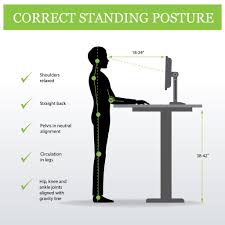
Properly set up, they help maintain a neutral spine posture, where the ears, shoulders, and hips are aligned.
For example, a marketing professional who adjusts their standing desk to the correct height can maintain a relaxed shoulder position and keep their head level with the screen, reducing neck stress.
However, when standing desks lack adjustability, users often compromise posture.
A salesperson using a fixed-height standing desk that is too tall may have to elevate their shoulders and tilt their head downward, leading to muscle fatigue.
Why Proper Height Adjustment is Critical?
Height adjustment is vital because it tailors the workspace to the user’s body, preventing strain.
According to OSHA guidelines, the computer monitor’s top should be at or slightly below eye level, and the keyboard should be positioned so elbows are bent at about 90 degrees.
For example, a software developer who cannot adjust their desk height might find their monitor too low, causing them to look down and strain their neck.
Proper adjustment supports the natural curvature of the spine and reduces the risk of developing musculoskeletal disorders.
Without it, even standing desks—themselves designed to promote health—can become a source of discomfort.
How Improper Desk Height Causes Neck Strain?
If a standing desk is too high, users tend to raise their shoulders and look down at the screen, causing tension in the trapezius and neck muscles.
Imagine a content writer whose desk is set above their elbow level; after hours of typing, they may experience tightness and pain in the neck and upper back. Conversely, a desk set too low forces users to lean forward and crane their neck upward.
For instance, a financial analyst working at a desk that is too low might experience cervical disc pressure and muscle fatigue from constantly looking up at the monitor.
Both improper heights create repetitive stress injuries due to poor posture, leading to chronic neck pain and headaches.
Common Neck Issues Related to Poor Desk Ergonomics
Several neck problems can arise from using standing desks without proper height adjustment:
- Muscle strain and spasms: Continuous tension can cause muscles to tighten and spasm, like when an architect holds a forward head posture for long periods.
- Tension headaches: Tight neck muscles can trigger headaches, a common complaint among office workers with improperly set desks.
- Nerve compression: Poor posture may compress cervical nerves, leading to numbness or tingling, as sometimes seen in call center employees.
- Cervical spondylosis: Long-term poor posture can accelerate arthritis in the neck joints, causing pain and stiffness.
- Reduced range of motion: Chronic discomfort limits neck movement, affecting daily activities and work performance.
Research Insights on Neck Strain and Standing Desk Usage
Scientific studies emphasize the importance of ergonomic setups.
A 2017 study in the Journal of Occupational and Environmental Medicine found that workers using non-adjustable standing desks reported higher levels of neck and shoulder discomfort compared to those with adjustable desks.
Another research review highlighted that adjustable desks combined with ergonomic training significantly reduce musculoskeletal symptoms.
These findings confirm that simply standing is not enough; the desk height must be individualized to prevent neck strain.
Practical Tips to Adjust Your Standing Desk Correctly
To prevent neck strain, follow these ergonomic tips:
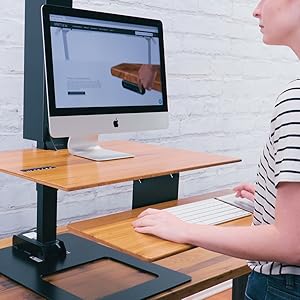
- Set desk height correctly: Your keyboard should be at elbow level with relaxed shoulders. For example, if you notice shoulder elevation while typing, lower the desk.
- Position the monitor: The top edge of the screen should be at or just below eye level, about 20-30 inches away. Use a monitor riser if needed.
- Maintain neutral head position: Keep your head aligned with your spine to avoid jutting the chin forward.
- Alternate postures: Switch between sitting and standing every 30-60 minutes to reduce static posture strain.
- Invest in an adjustable desk: A height-adjustable standing desk allows you to fine-tune your setup as needed, accommodating different tasks or footwear. For instance, a writer who adjusts their desk height through the day can work comfortably without neck fatigue.
Frequently Asked Questions (FAQ)
Q1: Can standing desks cause neck pain even if I stand properly?
A: Yes, if the desk height is not set correctly—too high or too low—it can cause neck strain even when you are standing. Proper height adjustment to match your body dimensions is essential.
Q2: How do I know my standing desk is at the right height?
A: Your elbows should bend at about 90 degrees when typing, and your eyes should align with the top third of your monitor screen. Shoulders should be relaxed, not elevated.
Q3: Is it better to sit or stand to avoid neck strain?
A: Neither posture alone is ideal. Alternating between sitting and standing while maintaining ergonomic posture reduces neck strain and promotes overall health.
Q4: What if my standing desk doesn’t have adjustable height?
A: Consider adding monitor risers or keyboard trays to adjust screen and keyboard height. However, investing in a fully adjustable desk is the best long-term solution.
Q5: How long can I stand at my desk without neck strain?
A: Standing too long in any static position can cause muscle fatigue. Alternate between sitting and standing every 30-60 minutes to avoid strain.
Q6: Can poor posture at a standing desk lead to permanent neck damage?
A: Prolonged poor posture can contribute to chronic neck pain and conditions such as cervical spondylosis. Early ergonomic adjustments help prevent long-term damage.
Q7: Are there exercises to relieve neck strain from standing desks?
A: Yes, gentle neck stretches and strengthening exercises can help relieve tension. Incorporate breaks to move and stretch during your workday.
Conclusion: Prioritizing Neck Health with Adjustable Standing Desks
Standing desks have revolutionized how we approach workplace ergonomics by promoting movement and reducing sedentary time.
However, the true benefits depend on proper height adjustment to support neck and overall spinal health.
As per bestforwardheadposturefix.com, “Improper desk height forces awkward neck postures, leading to muscle strain, tension headaches, and chronic pain, which can impair productivity and quality of life”.
By understanding the causes of neck strain, following ergonomic guidelines, and investing in adjustable standing desks, users can protect their necks while enjoying the advantages of an active workstation.
Prioritizing neck comfort is not just about avoiding pain; it is about fostering a healthier, more productive work environment for the long term.
References: