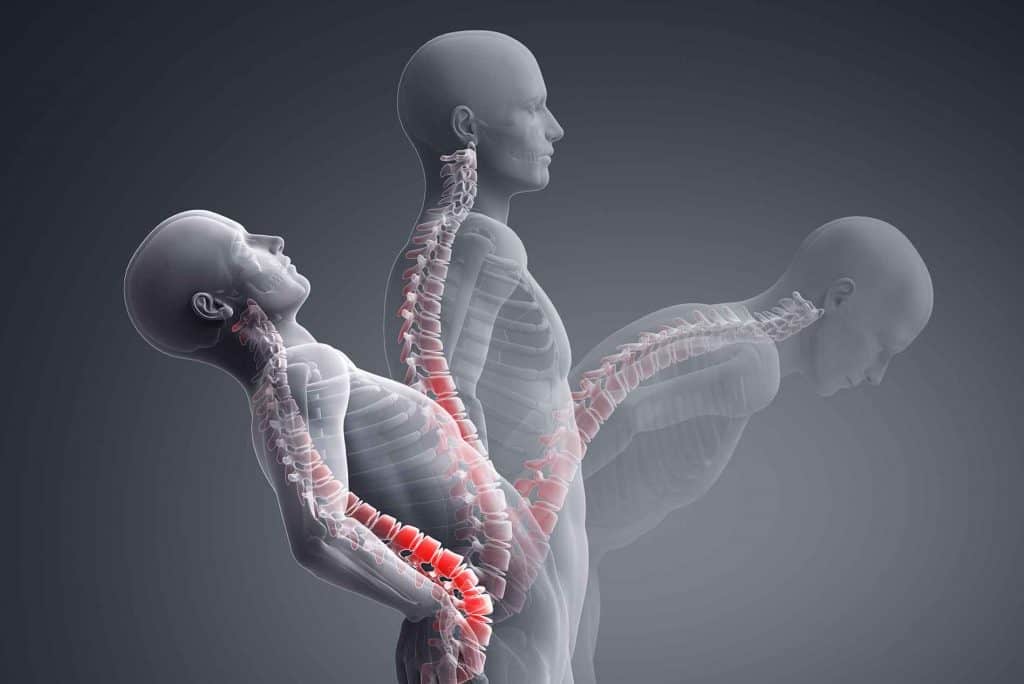
I used to think that neck pain was just a temporary discomfort from sitting too long or hunching over my phone.
Like many, I assumed the occasional soreness would go away after a good night’s sleep.
Little did I realize that my poor neck posture was slowly causing damage far beyond my neck, creeping down to my lumbar spine.
Yes, the neck and lower back may seem miles apart, but they are intricately connected through the spinal column and muscle groups.
The poor posture I was practicing at my desk, in front of the TV, or while texting was setting the stage for serious lumbar issues.
In this article, bestforwardheadposturefix.com shall explain how poor neck posture can lead to damage in your lumbar region and why it is crucial to address this problem before it spirals into chronic pain or even conditions like lumbar spondylosis.
Article Index
- Understanding Poor Neck Posture and Its Common Causes
- The Connection Between Neck Posture and Lumbar Health
- How Poor Neck Posture Leads to Lumbar Strain
- Daily Lifestyle Habits Contributing to Lumbar Damage
- Scientific Evidence Linking Neck and Lumbar Pain
- FAQs on Text Neck & its Impact on Your Lumbar Spine
- Conclusion: How to Address Poor Neck Posture and Prevent Lumbar Damage
Understanding Poor Neck Posture and Its Common Causes
Poor neck posture, often referred to as “tech neck” or “forward head posture,” happens when the head is positioned too far forward relative to the shoulders.
Instead of maintaining a natural alignment with the spine, the head juts forward, placing undue stress on the muscles of the neck and upper back.
This poor neck posture is usually a result of modern-day habits—spending hours slouched over computer screens, staring down at smartphones, or sitting in poorly designed chairs.
I have been guilty of all of the above. My days often involved long stretches at the desk, with breaks only to check my phone, further straining my neck.
Over time, this led to chronic discomfort in my neck, but what I didn’t expect was the growing pain in my lower back as well.
The Connection Between Neck Posture and Lumbar Health
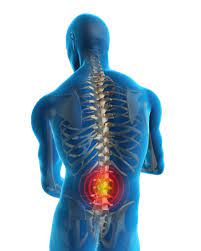
The neck and lumbar areas may seem distant from each other, but they are both key parts of the spine.
Your spine works as a unit, and if one part is misaligned, it puts pressure on other areas to compensate.
Poor neck posture alters the natural curve of the spine, which can travel down to affect the lumbar spine, increasing the risk of lower back pain and hip pain.
When your head moves forward out of alignment, it throws off the balance of the spine, causing the muscles and joints in your lower back to work harder to stabilize your body.
Over time, this leads to strain and degeneration in the lumbar region, ultimately contributing to conditions like lumbar spondylosis, a degenerative condition affecting the lower spine.
How Poor Neck Posture Leads to Lumbar Strain
As your head moves forward, it acts like a lever, placing increasing pressure on the cervical (neck) spine.
This stress radiates down through the thoracic spine and into the lumbar region. Think of your spine like a long chain.
If the top link (your neck) is out of place, the lower links (your lower back) must work harder to keep the chain stable.
In my case, after months of ignoring the signs of poor neck posture, I started to experience lower back pain that felt oddly connected to my neck discomfort.
I was unknowingly placing unnecessary strain on my lower back to compensate for my poor posture, which caused stiffness and pain after even mild physical activity. Eventually, I realized this was not just a simple neck problem—my entire spine was affected.
The lumbar spine bears much of the body’s weight and provides stability for movement.
When your neck is out of alignment, your lumbar spine has to work overtime, leading to strain, misalignment, and even long-term issues like damage to the spinal discs.
This is why conditions like lumbar spondylosis, which causes wear and tear on the lower spine, can be linked to long-term poor neck posture.
Daily Lifestyle Habits Contributing to Lumbar Damage
Everyday habits that seem harmless are often the main culprits behind poor posture.
From my own experience, I can tell you that the following daily habits contributed to both my neck and lower back pain:
- Long Hours at the Desk: Sitting for extended periods without paying attention to posture caused my head to tilt forward, which ultimately strained my lumbar region.
- Poor Sleep Posture: Sleeping on my stomach or using an unsupportive pillow put additional pressure on my neck and back.
- Phone Addiction: Constantly looking down at my phone didn’t just give me neck pain—it radiated down to my lower back.
- Poor Sitting Habits: Slouching in chairs or sitting in awkward positions for too long put excessive pressure on my spine, making it harder for my lumbar to support the body properly.
One day, after noticing increasing lower back pain, I decided to add lower lumbar stretches to my daily routine.
It was a temporary relief, but the real issue was my poor neck posture.
Until I addressed that, no amount of stretching or back exercises could provide lasting relief.
Scientific Evidence Linking Neck and Lumbar Pain
Several studies have shown the connection between poor neck posture and lumbar pain.
A study published in the Journal of Physical Therapy Science found that forward head posture significantly increases stress on the cervical and lumbar regions.
The researchers highlighted that postural misalignment in the neck places excess strain on the lower back, leading to pain and potential damage to the lumbar spine.
Another study in the Spine Journal explored how poor posture neck pain can exacerbate issues in the lumbar spine.
It concluded that chronic neck misalignment can cause compensatory movements in the lower spine, leading to lumbar strain, disc degeneration, and lower back pain. I could personally relate to this, as I started noticing lower back discomfort as my neck pain worsened.
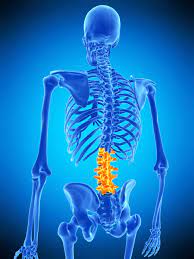
Additionally, lumbar spondylosis, a degenerative condition of the lumbar spine, is often linked to years of poor posture.
As the body compensates for misaligned neck posture, the lumbar spine experiences increased wear and tear, accelerating the onset of this painful condition.
FAQs on Text Neck & its Impact on Your Lumbar Spine:
Q-1: How does poor neck posture affect lower back pain and the lumbar spine?
A-1: Poor neck posture can significantly affect the lumbar spine by disrupting the body’s natural alignment.
In the United States, studies suggest that up to 80% of adults experience back pain at some point, often linked to postural issues.
When the head moves forward, the spine compensates by adjusting its curves, including the lumbar region.
This compensation increases pressure on the lower back, leading to discomfort and pain.
Over time, the lumbar spine bears additional stress, which can contribute to muscle fatigue and joint strain.
This chain reaction shows how a seemingly small issue in the neck can impact the entire spine, making posture correction essential for overall spinal health.
Q-2: Can forward head posture cause lumbar spine damage?
A-2: Yes, forward head posture can contribute to lumbar spine damage over time.
In the U.S., forward head posture—often called “tech neck”—is increasingly common due to prolonged device use.
When the head shifts forward, the upper spine rounds, and the lower back compensates by either over-arching or flattening its natural curve.
This imbalance increases mechanical stress on the lumbar discs and joints.
Research indicates that improper spinal alignment can accelerate wear and tear, increasing the risk of chronic lower back issues.
While the damage may develop gradually, addressing forward head posture early can help prevent long-term complications.
Q-3: What is the link between neck posture and lower back pain in adults in the USA?
A-3: The link between neck posture and lower back pain lies in the interconnected nature of the spine.
In the U.S., where sedentary lifestyles are common, posture-related issues are a leading cause of musculoskeletal discomfort.
When the neck is misaligned, the rest of the spine adjusts to maintain balance. This often results in increased strain on the lumbar region.
For example, slouching at a desk can simultaneously affect the neck and lower back.
Surveys show that individuals who spend long hours sitting are more likely to report both neck and lower back pain, highlighting the importance of maintaining proper posture throughout the day.
Q-4: How does tech neck lead to lumbar disc problems and back pain?
A-4: Tech neck, caused by prolonged use of smartphones and computers, can lead to lumbar disc problems through continuous spinal misalignment.
In the U.S., adults spend an average of 6–8 hours daily on screens, increasing the risk of posture-related issues.
Looking down at devices causes the neck to tilt forward, which shifts the body’s center of gravity.
The lower back compensates by altering its curvature, placing extra pressure on the lumbar discs.
Over time, this added stress can contribute to disc degeneration, herniation, and chronic pain.
Addressing tech neck through ergonomic adjustments and regular breaks is crucial for protecting both the neck and lower back.
Q-5: Does bad neck alignment increase pressure on the lumbar spine?
A-5: Yes, bad neck alignment increases pressure on the lumbar spine by creating an imbalance in the body’s posture.
In the U.S., poor posture is a common issue, especially among individuals with desk jobs.
When the neck is misaligned, the spine must compensate to keep the body upright. This often results in increased pressure on the lower back.
For example, a forward head position can lead to an exaggerated lumbar curve, placing stress on the spine’s joints and discs.
Over time, this added pressure can lead to pain, stiffness, and reduced mobility.
Correcting neck alignment can help distribute weight evenly and reduce strain on the lumbar region.
Q-6: How does cervical posture impact lumbar lordosis and spinal alignment?
A-6: Cervical posture plays a crucial role in maintaining lumbar lordosis, the natural inward curve of the lower back.
In the U.S., deviations from proper posture are increasingly common due to modern lifestyles.
When the cervical spine is misaligned, it affects the entire spinal column.
For instance, forward head posture can flatten or exaggerate the lumbar curve, disrupting overall alignment.
This imbalance can lead to uneven weight distribution and increased stress on the lower back.
Maintaining proper cervical posture helps preserve the natural curves of the spine, reducing the risk of pain and injury.
Q-7: What are the symptoms of lumbar pain caused by poor neck posture habits?
A-7: Symptoms of lumbar pain caused by poor neck posture habits can vary but often include stiffness, aching, and reduced mobility in the lower back.
In the U.S., these symptoms are commonly reported among individuals with sedentary lifestyles.
Other signs may include muscle tightness, fatigue, and discomfort after prolonged sitting or standing.
In more severe cases, individuals may experience radiating pain or numbness.
Recognizing these symptoms early is important for preventing further complications.
Addressing the root cause—poor neck posture—can help alleviate these issues and improve overall spinal health.
Q-8: Can slouching neck posture lead to chronic lower back issues?
A-8: Yes, slouching neck posture can lead to chronic lower back issues over time.
In the U.S., slouching is a common habit, particularly among individuals who spend long hours sitting.
Slouching causes the spine to lose its natural alignment, increasing stress on the lumbar region.
This can lead to muscle imbalances, joint strain, and long-term discomfort.
Studies suggest that individuals with poor posture are more likely to develop chronic back pain, emphasizing the importance of maintaining proper alignment.
Regular posture checks and ergonomic adjustments can help prevent these issues.
Q-9: How does screen time posture affect neck and lower back health?
A-9: Screen time posture has a significant impact on both neck and lower back health.
In the U.S., the widespread use of digital devices has led to an increase in posture-related problems.
Prolonged screen use often involves looking down or sitting in a slouched position, which strains the neck and lower back.
This can lead to muscle fatigue, stiffness, and pain.
Over time, these habits can contribute to chronic conditions affecting the entire spine.
Taking regular breaks, adjusting screen height, and maintaining proper posture can help mitigate these effects.
Q-10: What exercises can fix neck posture and reduce lumbar spine pain?
A-10: Exercises that target both the neck and lower back can help correct posture and reduce lumbar spine pain. In the U.S., physical therapy programs often emphasize a combination of stretching and strengthening exercises.
Effective exercises include chin tucks, shoulder blade squeezes, and core strengthening movements. These exercises help restore balance, improve alignment, and reduce strain on the spine.
Research shows that individuals who follow structured exercise programs can experience a 30–40% reduction in pain and improved posture within weeks.
Consistency is key to achieving long-term benefits and maintaining spinal health.
Free Tip of the Day:
Poor neck posture is more than just a localized issue—it has a ripple effect that can significantly impact the lumbar spine and overall spinal health.
In the United States, where sedentary lifestyles and prolonged screen time are common, the connection between neck alignment and lower back pain is becoming increasingly evident.
From increased pressure on lumbar discs to disrupted spinal curves, the consequences of poor posture can be far-reaching.
The encouraging news is that these effects are largely preventable and reversible with the right approach.
By improving posture, incorporating targeted exercises, and making ergonomic adjustments, individuals can reduce strain on both the neck and lower back.
Ultimately, maintaining proper alignment is key to preventing pain, improving mobility, and supporting long-term spinal wellness.
How to Address Poor Neck Posture and Prevent Lumbar Damage
In summary, poor neck posture does not just affect your neck—it has far-reaching consequences that extend down to your lumbar spine.
The misalignment of the cervical spine causes a ripple effect that forces the lumbar spine to compensate, leading to strain, degeneration, and chronic pain over time.
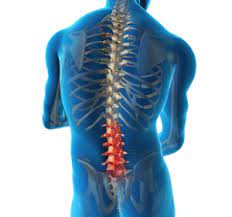
Whether it is lower back pain and hip pain or the onset of more serious conditions like lumbar spondylosis, the damage to your lumbar region can be traced back to poor neck posture.
From my personal experience, I have learned that ignoring neck pain can lead to more severe problems in the lower back.
It was not until I addressed my poor posture that I began to see improvements in both areas.
While lower lumbar stretches and exercises can offer temporary relief, the real key to preventing lumbar damage lies in fixing crane neck posture.
For anyone experiencing similar issues, I would recommend seeking proper poor posture neck pain treatment, which addresses the root of the problem rather than just the symptoms.
By taking care of your spine as a whole, you can prevent the long-term damage that poor posture can cause.
References: