We have all been there—hours spent hunched over a desk, phone in hand, shoulders slumped forward, neck curved in a way it was never designed to handle.
What if I told you this poor posture did not just give me a sore neck, but also caused significant damage to my ilium, a vital part of my pelvic structure?
This is exactly what happened to me, and it is more common than you would think.
Let me walk you through how my forward head posture, or what many call “nerd neck” or “text neck,” led to an ilium injury that turned my daily life upside down.
This Article Contains:
- What Is the Ilium and Why Is It Important?
- How Forward Head Posture Affects the Pelvic Structure
- The Connection Between the Ilium and Neck Posture
- How My Forward Head Posture Damaged My Ilium
- Daily Lifestyle Factors That Contributed to My Ilium Injury
- Scientific Evidence Supporting the Connection
- FAQs on Curved Neck from Bad Posture & the Damage to Your Ilium
- Conclusion
What Is the Ilium and Why Is It Important?
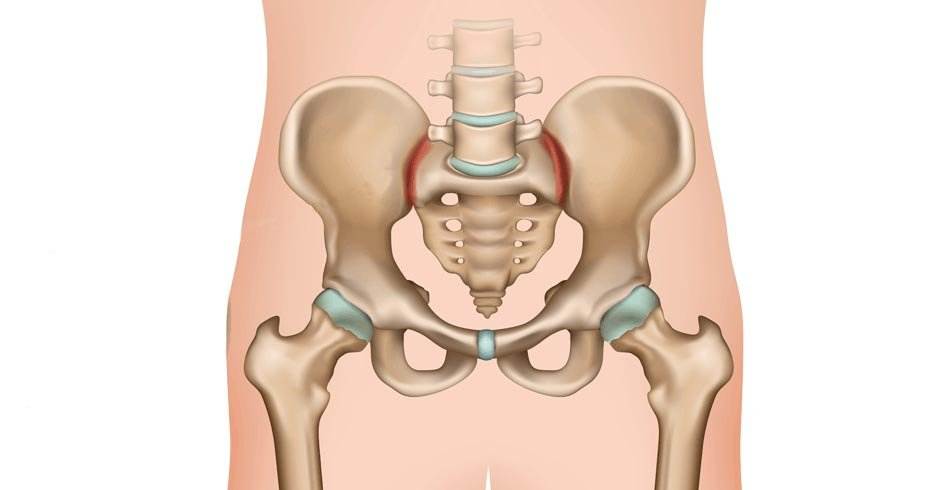
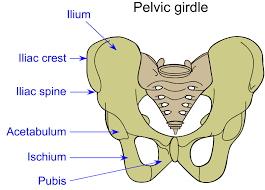
The ilium is the broad, uppermost part of the pelvic bone, playing a crucial role in supporting body weight, maintaining balance, and serving as an attachment point for key muscles.
This fan-shaped bone forms the largest portion of the hip structure and is essential for overall movement and posture.
According to Kenhub, the ilium contributes significantly to the structure and function of the pelvis, providing stability for daily activities like walking, standing, and sitting.
Key Functions of the Ilium:
Weight bearing – The ilium helps support the upper body’s weight, particularly when standing and walking. Its strong structure provides the foundation for spinal support and upright posture. As per Verywell Health, the ilium plays a critical role in maintaining balance and preventing excessive strain on the lower back.
Muscle attachment – Several muscles attach to the ilium, including those involved in trunk and hip movement. The iliac crest, the curved upper portion of the ilium, serves as an attachment site for muscles such as the external oblique, internal oblique, and transversus abdominis, all of which are essential for core stability and movement. Wikipedia highlights that these muscle connections make the ilium vital for flexibility and strength in the lower body.
Protection of internal organs – The ilium also shields internal organs located within the pelvic cavity, such as parts of the digestive and urinary systems, along with reproductive organs. The Skeletal System emphasizes that this protective role is crucial in preventing injuries to these essential body systems.
Maintaining a healthy ilium is essential for overall mobility and quality of life. Conditions such as fractures or arthritis can lead to pain and difficulty in movement.
To prevent such issues, health experts recommend maintaining proper posture, engaging in regular exercise, and addressing any hip or lower back discomfort early on to preserve the ilium’s function and support overall musculoskeletal health.
How Forward Head Posture Affects the Pelvic Structure?
Forward head posture, commonly referred to as “nerd neck” or “text neck,” occurs when the head juts out in front of the body rather than being aligned over the shoulders.
This imbalance not only puts a strain on your neck and upper back muscles but also throws your entire body out of alignment—especially your pelvis.
When the neck is in this forward position, your spine compensates by shifting your lower back and pelvis to counterbalance the weight of your head.
Over time, this shift causes undue pressure and strain on the pelvis, particularly the ilium, which is forced into abnormal positions to maintain balance.
The Connection Between the Ilium and Neck Posture
Your body operates like a chain, where each link affects the other. If your neck is misaligned, it directly influences the muscles and bones in your lower body.
The forward head posture forces the pelvis to tilt, causing chronic stress on the ilium.
This stress can manifest in various ways—ilium injury, ilium bursitis, and even ilium stress fractures—depending on how long you maintain this poor posture and how severe the muscle imbalances become.
In my case, the misalignment in my neck slowly caused a tilt in my pelvis, leading to significant pain in my right ilium.
The sacral ilium, where the spine connects to the pelvis, was also affected, as this area was bearing the brunt of the compensatory load.
How My Forward Head Posture Damaged My Ilium?
It all started with small bouts of discomfort in my lower back, but I never connected the dots.
As time went on, the pain became more pronounced, especially when walking or standing for long periods. It was not until I sought medical advice that I discovered my “nerd neck” had caused an imbalance in my pelvic structure.
My right ilium bore the majority of the stress because of the uneven distribution of weight caused by my forward neck posture.
Over time, this led to inflammation (ilium bursitis) and stress fractures, especially in the right posterior ilium. The doctors even showed me a 3D scan of my pelvis (ilium 3D), where the misalignment was crystal clear.
I learned that this forward head posture shifted my center of gravity, placing immense pressure on the ilium and surrounding structures like the sacral ilium and osilium (the area connecting the ilium to the sacrum).
This constant strain caused wear and tear on the ilium, leading to the chronic pain I was experiencing.
Daily Lifestyle Factors That Contributed to My Ilium Injury
Here is where things got personal—my day-to-day habits were feeding the beast of my bad posture.
Hours spent hunched over my phone, staring down at my laptop screen, or sitting in a poorly designed office chair all contributed to my forward head posture.
Even when I thought I was “fixing” my posture by standing up straighter, I wasn’t addressing the underlying issue—my neck and pelvic misalignment.
Simple things like sitting at the dinner table or watching TV on the couch caused my pelvis to tilt further forward, worsening the stress on my right ilium.
Standing for long periods of time also added pressure on the sacral ilium, creating even more damage.
Scientific Evidence Supporting the Connection
The relationship between forward head posture and pelvic misalignment is well-documented in scientific literature.
A study published in Journal of Physical Therapy Science (2016) showed a significant correlation between forward neck posture and pelvic tilt, noting that long-term forward head posture increases the risk of pelvic and lumbar stress injuries.
Another study from the Journal of Orthopaedic & Sports Physical Therapy highlighted how forward neck posture leads to compensatory changes in the spine and pelvis, increasing the likelihood of iliac stress fractures and ilium bursitis due to the excessive load placed on these areas.
FAQs on Curved Neck from Bad Posture & the Damage to Your Ilium:
Q-1: Can forward head posture affect pelvic alignment and ilium position?
A-1: Yes, forward head posture (FHP) can significantly affect pelvic alignment, including the position of the ilium. The body functions as a kinetic chain, meaning misalignment in one area influences others.
When the head shifts forward, the spine compensates by altering curves down to the lower back and pelvis. Studies show that postural deviations can change pelvic tilt by 5–10 degrees, enough to disrupt normal biomechanics.
According to the American Physical Therapy Association, such misalignments are a major contributor to chronic musculoskeletal pain in the U.S., affecting nearly 50 million adults annually.
Q-2: How does bad neck posture cause pelvic tilt and hip bone misalignment?
A-2: Bad neck posture creates a chain reaction through the spine. As the head moves forward, the thoracic spine rounds, and the lumbar spine often overcompensates by arching excessively.
This leads to anterior pelvic tilt, where the ilium rotates forward. Research suggests that prolonged sitting and poor posture can increase anterior pelvic tilt prevalence by up to 60% in sedentary populations.
The National Institutes of Health highlights that such imbalances place uneven stress on the hip bones, including the ilium, leading to discomfort and dysfunction.
Q-3: What is the relationship between cervical spine posture and ilium pain?
A-3: Cervical spine posture influences the entire spinal alignment, which directly affects pelvic positioning.
When the neck is misaligned, compensatory changes occur throughout the spine, increasing stress on the pelvis.
Studies show that individuals with poor cervical posture are 30–40% more likely to report lower back and pelvic pain.
The Mayo Clinic explains that chronic misalignment can lead to muscle imbalances and joint stress around the ilium, causing persistent discomfort.
Q-4: Does forward head posture lead to anterior pelvic tilt and hip issues?
A-4: Yes, forward head posture often contributes to anterior pelvic tilt, which affects hip stability and alignment. This tilt alters the position of the ilium, increasing strain on surrounding muscles and joints.
Research indicates that anterior pelvic tilt is present in over 70% of individuals with poor posture habits. The American Chiropractic Association notes that this condition can lead to hip pain, reduced mobility, and increased injury risk.
Q-5: How does a curved neck posture affect lower back and pelvic biomechanics?
A-5: A curved neck disrupts the natural spinal alignment, forcing the lower back to compensate. This increases lumbar lordosis (inward curve), which directly impacts pelvic positioning.
Studies show that spinal misalignment can increase mechanical stress on the pelvis by up to 45%.
The Harvard Medical School emphasizes that maintaining proper spinal curves is essential for balanced load distribution and preventing pelvic dysfunction.
Q-6: What is the connection between neck misalignment and ilium pain or dysfunction?
A-6: Neck misalignment alters muscle activation patterns throughout the body. This leads to tight hip flexors and weak gluteal muscles, which destabilize the pelvis.
Research shows that muscle imbalances linked to poor posture can reduce pelvic stability by 20–30%.
The National Academy of Sports Medicine highlights that these imbalances are a key factor in ilium-related pain and dysfunction.
Q-7: Can poor posture cause pelvic rotation and ilium imbalance symptoms?
A-7: Yes, poor posture can lead to pelvic rotation, where one side of the ilium shifts differently than the other. This creates asymmetry, leading to pain and uneven movement patterns.
Studies indicate that up to 25% of adults experience some form of pelvic asymmetry. The Cleveland Clinic explains that this can result in hip pain, lower back discomfort, and even leg length discrepancies.
Q-8: How does forward head posture impact lumbopelvic alignment and hip stability?
A-8: Forward head posture disrupts lumbopelvic alignment by altering spinal curves and muscle balance. This reduces hip stability and increases the risk of injury.
Research shows that poor posture can decrease core stability by up to 35%. The American Council on Exercise notes that strengthening core and hip muscles is essential for restoring stability and preventing further damage.
Q-9: Why does bad neck posture lead to lower back pain and pelvic misalignment?
A-9: Bad neck posture shifts the body’s center of gravity forward, forcing the lower back and pelvis to compensate.
This increases strain on lumbar discs and pelvic joints.
Studies show that over 65% of individuals with neck posture issues also report lower back pain. The Johns Hopkins Medicine highlights the interconnected nature of spinal health, emphasizing the need for full-body posture correction.
Q-10: What is the postural chain reaction from the neck to the pelvis and how does it affect the ilium?
A-10: The postural chain reaction begins with the head and travels down the spine to the pelvis. A forward head position leads to thoracic rounding, lumbar arching, and pelvic tilt.
This chain reaction places abnormal stress on the ilium, potentially leading to pain and dysfunction. Research shows that correcting posture can improve overall alignment and reduce pain in over 70% of cases.
The World Health Organization supports integrated approaches to posture correction for long-term musculoskeletal health.
Free Tip of the Day:
A curved neck from bad posture doesn’t just affect your upper body—it creates a ripple effect down to your pelvis and ilium.
The encouraging news is that by addressing posture holistically, you can restore alignment, reduce pain, and improve overall movement and stability.
Final Analysis:
In summary, my forward neck posture did not just affect my neck; it wreaked havoc on my ilium.
The misalignment in my neck caused a domino effect that led to pelvic tilts, increased stress on the right ilium, and eventual inflammation and stress fractures. The sacral ilium also took on more pressure than it could handle, leading to more discomfort and pain.
From my personal experience, it is clear that seemingly unrelated areas of the body can be deeply connected, and ignoring bad posture can have long-lasting consequences.
The connection between forward neck posture and ilium injury is not only logical but also supported by bestforwardheadposturefix.com research.
It is a grim reminder that the query “how to fix nerd neck” is about more than just aesthetics—it is essential for preventing long-term damage to your body.
References: