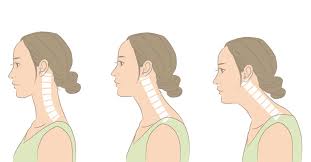
Nasal breathing plays a central role in human health. It optimizes oxygen intake, filters and humidifies inhaled air, and supports overall respiratory efficiency.
When nasal breathing is impaired, consequences ripple through sleep quality, cognitive function, and cardiovascular health.
While many attribute nasal breathing problems solely to issues within the nose—like congestion or structural blockages—there is a deeper, often overlooked factor: the alignment of the neck.
The cervical spine, which supports the head and houses vital nerves and muscles, influences the airway space and function in ways that directly affect nasal airflow.
When the neck is misaligned, this can lead to narrowing of the upper airway, nerve dysfunction, and muscular imbalances that reduce nasal breathing capacity.
This article by bestforwardheadposturefix.com will carefully unpack how neck misalignment disrupts nasal breathing, relying on anatomical, neurological, and physiological evidence, and illustrated with practical examples to deepen understanding.
Points Covered in this Article
- Anatomy of the Neck and Nasal Airway
- Understanding Neck Misalignment
- How Neck Misalignment Narrows the Nasal Airway
- Neurological Disruption and Its Effect on Nasal Breathing
- Postural Adaptations: Forward Head Posture and Nasal Airway Impact
- Muscle Tension from Neck Misalignment and Nasal Airflow
- Real-Life Examples Demonstrating the Impact
- Research Evidence Supporting the Link
- Summary of the Relationship Between Neck Alignment and Nasal Breathing
Anatomy of the Neck and Nasal Airway
To understand how neck misalignment affects nasal breathing, it is essential to first grasp the basic anatomy involved.
The cervical spine, composed of seven vertebrae, supports the weight of the head and protects the spinal cord. It also provides attachment points for muscles, ligaments, and nerves that regulate head movement and airway function.
The nasal airway includes the nasal cavity, which filters and humidifies incoming air, and the nasopharynx, the space behind the nose connecting to the throat. These air passages must remain open for effective nasal breathing.
The cervical spine lies just behind the nasopharynx, meaning its position directly influences the space available for airflow.
When the cervical vertebrae are properly aligned, the airway is more likely to remain open, facilitating smooth nasal breathing.
However, misalignment of the neck vertebrae can alter the spatial relationships between bones and soft tissues, leading to airway narrowing.
Understanding Neck Misalignment
Neck misalignment refers to any deviation of the cervical vertebrae from their normal anatomical position.
This can include forward head posture, where the head juts forward relative to the shoulders; lateral shifts, where vertebrae move sideways; rotational misalignments; or subluxations, which are small, partial dislocations.
Causes of neck misalignment are varied. Poor posture from prolonged computer or smartphone use is a common culprit. Trauma from accidents or sports injuries can also cause sudden misalignment.
Degenerative diseases like osteoarthritis may gradually alter vertebral position. Each type of misalignment affects the neck’s biomechanics and can influence the airway’s structure and function.
For example, consider a person who works long hours hunched over a computer screen. Over time, their head moves forward out of alignment with their spine.
This chronic positioning alters muscle tension and vertebral alignment in the neck, which may contribute to airway narrowing and reduced nasal airflow.
How Neck Misalignment Narrows the Nasal Airway?
One of the most direct ways neck misalignment affects nasal breathing is through physical narrowing of the airway. The cervical vertebrae form the bony boundary behind the nasopharynx.
When these vertebrae shift out of their normal position, they can encroach on the retropharyngeal space—the area behind the throat and nasal passages.
This encroachment reduces the diameter of the airway, increasing resistance to airflow. Even small changes in vertebral position can significantly impact the airway caliber because the airway is a soft, collapsible tube sensitive to external pressure.
Moreover, the position of the hyoid bone—a small U-shaped bone supporting the tongue and larynx—is influenced by cervical alignment.
Misalignment can displace the hyoid bone downward or backward, causing soft tissue structures to crowd the airway and further restrict nasal airflow.
An illustrative example is found in patients with whiplash injuries.
Sudden trauma can misalign cervical vertebrae and displace the hyoid bone, leading to symptoms such as nasal congestion or a sensation of obstructed nasal breathing without visible nasal blockage.
Neurological Disruption and Its Effect on Nasal Breathing
The cervical spine is not only a structural support but also a conduit for nerves that regulate airway muscles and nasal mucosa.
Misaligned vertebrae can irritate or compress these nerves, impairing their ability to maintain normal airway function.
For instance, branches of the cervical plexus and the vagus nerve have roles in controlling nasal blood flow and the tone of nasal mucosa.
When nerve signals are disrupted by vertebral misalignment, this regulation falters, potentially causing abnormal swelling or constriction of nasal tissues.
A practical example is seen in individuals experiencing chronic nasal congestion despite no allergy or infection.
In some cases, cervical nerve irritation from misalignment can cause autonomic dysfunction that leads to persistent nasal mucosal swelling, mimicking congestion but without the usual signs of inflammation.
Thus, neck misalignment can cause nasal breathing difficulties through neurological pathways, independent of any mechanical blockage inside the nose.
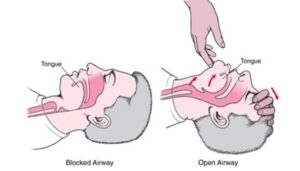
Postural Adaptations: Forward Head Posture and Nasal Airway Impact
Forward head posture (FHP) is a common postural consequence of neck misalignment.
It involves the head being positioned anteriorly relative to the shoulders, placing increased mechanical stress on the cervical spine and associated structures.
FHP changes the angle of the upper airway, reducing its effective diameter. When the head shifts forward, the tongue and soft palate tend to move backward, encroaching on the airway space.
This posterior displacement narrows the nasopharyngeal airway, increasing resistance to nasal airflow.
An example can be found in office workers who spend hours with heads jutting forward while focusing on screens.
Over time, FHP develops and may contribute to complaints of nasal congestion or the need to breathe through the mouth, especially during physical activity or sleep.
Moreover, FHP increases tension in neck and throat muscles, which can further reduce airway patency.
This combination of anatomical and muscular changes makes nasal breathing more difficult, encouraging compensatory mouth breathing.
Muscle Tension from Neck Misalignment and Nasal Airflow
Neck misalignment alters the balance of muscular forces around the cervical spine and upper airway.
Misaligned vertebrae cause abnormal strain on muscles connected to the jaw, tongue, and pharynx. This increased muscle tension can constrict the airway behind the nose.
Muscle tension also disrupts the normal movement patterns of the soft palate and pharyngeal walls, which must move rhythmically to keep the airway open during breathing.
When these muscles are tense or imbalanced, airway collapsibility increases, especially during sleep.
For example, some patients with chronic neck stiffness also report difficulty breathing through the nose or frequent mouth breathing.
This relationship suggests that muscle tension from cervical misalignment contributes to impaired nasal airflow.
Real-Life Examples Demonstrating the Impact
Consider a professional athlete who suffers a neck injury causing cervical misalignment. Post-injury, they notice increased nasal congestion and difficulty breathing through the nose during training, despite no nasal pathology.
Imaging reveals vertebral displacement reducing retropharyngeal space. This example illustrates how neck misalignment alone can impair nasal breathing.
Another real-life case involves individuals with chronic forward head posture from prolonged device use.
These individuals often report nasal breathing difficulties, especially at night, alongside neck pain and tension headaches. Their postural changes reduce airway space and increase muscle tension, impairing nasal airflow.
These examples underscore the practical implications of neck alignment on nasal breathing and highlight the need for awareness beyond nasal-focused treatments.
Research Evidence Supporting the Link
Scientific studies reinforce the connection between neck misalignment and nasal airway function.
Imaging studies, including lateral cervical X-rays and MRI, demonstrate that cervical misalignment reduces retropharyngeal airway space, correlating with nasal airflow resistance.
Electrophysiological research shows that cervical nerve irritation affects muscle control in the upper airway, influencing nasal patency.
Studies in orthodontics and sleep medicine link poor cervical posture to increased upper airway resistance and obstructive sleep apnea, conditions where nasal breathing is compromised.
One study found that individuals with forward head posture had significantly narrower upper airway dimensions compared to those with neutral posture, confirming the anatomical impact of cervical alignment on nasal breathing.
These findings establish a robust evidence base for understanding the role of neck alignment in respiratory function.
Summary of the Relationship Between Neck Alignment and Nasal Breathing
Neck misalignment affects nasal breathing through multiple intertwined mechanisms. Structurally, displaced vertebrae narrow the retropharyngeal airway and alter the position of bones supporting the airway.
Neurologically, nerve irritation disrupts muscle tone and nasal mucosa regulation. Posturally, forward head posture changes airway angles and increases muscle tension, further restricting nasal airflow.
Increased muscle tension from misalignment compounds airway narrowing and destabilization.
Together, these factors increase nasal airway resistance, reduce oxygen intake efficiency, and promote mouth breathing.
The associated health consequences include poor sleep quality, fatigue, and increased risk of respiratory and cardiovascular issues.
Recognizing neck misalignment as a significant contributor to nasal breathing difficulties opens new perspectives for diagnosis and understanding of respiratory health.
This insight emphasizes that nasal breathing problems often extend beyond the nose itself and involve the complex interplay of cervical spine anatomy, neurology, and posture.
Conclusive Analysis
Neck misalignment is a critical, yet often overlooked, factor that negatively impacts nasal breathing.
Through anatomical narrowing of the airway, neurological interference with muscle control, and postural changes like forward head posture, misaligned cervical vertebrae create a cascade of effects that impair nasal airflow.
This leads to increased nasal resistance, forcing many to breathe through the mouth, which carries its own health risks. Real-world cases and scientific studies alike confirm the strong link between cervical spine alignment and nasal airway function.
Understanding this relationship enhances our ability to recognize and appreciate the root causes of nasal breathing difficulties. It also broadens the scope of respiratory health beyond isolated nasal issues to include the vital role of neck alignment.
This knowledge is essential for a comprehensive approach to breathing health, underscoring the importance of evaluating cervical spine position in patients experiencing nasal breathing problems.
References: