In today’s digital age, many of us spend countless hours glued to screens.
Whether it is for work, social media, or online learning, the tendency to lean forward toward our computers has become almost second nature.
This posture, often called computer neck or forward head posture, does more than just strain the neck—it can affect your jaw too.
While people usually associate poor posture with neck stiffness, headaches, or shoulder pain, few realize it directly impacts jaw flexibility.
Forward head positioning changes the alignment of muscles, joints, and connective tissues linking the neck to the jaw.
Over time, these adaptations can make opening your mouth, chewing, or even speaking feel tight or uncomfortable.
In this article, bestforwardheadposturefix.com shall explore how computer neck affects jaw mechanics, the science behind muscle and joint changes, and practical strategies to restore jaw flexibility.
By understanding this connection, you can take simple steps to maintain both neck and jaw health in your daily life.
Article Index
- What Is Computer Neck and Forward Head Posture?
- The Anatomy Link Between Neck Alignment and Jaw Function
- How Forward Head Posture Restricts Jaw Flexibility
- Muscle Imbalance and Jaw Mechanics
- Poor Posture and Temporomandibular Joint (TMJ) Stress
- The Breathing–Jaw Connection
- Signs Your Jaw Flexibility Is Being Affected
- Frequently Asked Questions (FAQs)
- Strategies to Restore Neck Alignment and Jaw Flexibility
- Conclusion
What Is Computer Neck and Forward Head Posture?
Computer neck describes the posture many people adopt when spending long hours at screens: the head shifts forward relative to the shoulders, the upper back rounds, and the chin sticks out.
This position places continuous stress on the cervical spine and changes how muscles and joints work together, driving a cascade of effects beyond just neck pain.
Over time, the altered mechanics can impact how the jaw moves, illustrating how tech neck affects jaw function in everyday life.
Misalignment increases tension in muscles that support both the neck and jaw, contributing to neck posture and temporomandibular joint pain that many people experience while typing or attending virtual meetings.
These changes can stiffen the muscles responsible for chewing and opening the mouth, mirroring posture related TMJ discomfort while working.
In some cases, chronic forward head positioning can even lead to jaw tightening from poor workplace posture, making chewing and speaking less comfortable and reducing overall jaw flexibility.
The Anatomy Link Between Neck Alignment and Jaw Function
The relationship between neck alignment and jaw function is more interconnected than most people realize.
The jaw doesn’t operate in isolation; it works as part of a cranio-cervical system that includes the cervical spine, neck muscles, and connective tissues of the head.
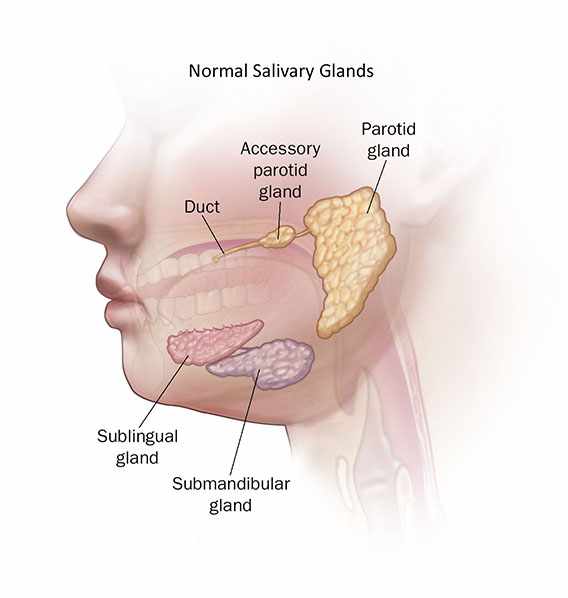
Muscles such as the suprahyoids and infrahyoids connect the jaw to the neck, meaning that any change in head position directly influences how the jaw moves.
When the head is held forward for long periods, as in computer use or phone scrolling, these muscles can become overstretched or imbalanced, reducing their efficiency in coordinating jaw motion.
This often results in limited mouth opening, stiffness, or discomfort during activities like chewing, speaking, or yawning.
Essentially, forward head posture affects jaw opening, highlighting how vital neck alignment is for maintaining proper jaw mechanics.
Keeping the cervical spine neutral allows the jaw to move freely, prevents excessive strain, and supports overall oral function.
How Forward Head Posture Restricts Jaw Flexibility?
Forward head posture significantly alters the resting position of the mandible, the lower jaw, which affects how the jaw opens, closes, and moves laterally.
When the head shifts forward, muscles that control jaw movement, including the masseter and temporalis, become overstretched or overworked, reducing their efficiency.
For example, someone who spends hours leaning over a laptop may notice that chewing tougher foods, like raw vegetables or steak, feels more difficult, or that yawning requires extra effort.
Misalignment also affects joint mechanics, as the temporomandibular joint may sit slightly forward or downward, limiting smooth motion.
Over time, this restricted movement can cause chronic stiffness, subtle discomfort, or even clicking in the jaw during daily activities such as speaking or eating.
Essentially, head and neck posture influences jaw mobility, meaning that improving neck alignment can restore normal jaw function, reduce tension, and enhance the overall range of motion.
Muscle Imbalance and Jaw Mechanics
Forward head posture not only affects the alignment of the head and neck but also creates significant muscle imbalances.
The deep neck stabilizers, which normally hold the cervical spine in a neutral position, gradually weaken because they are underused in a forward head position.
Meanwhile, superficial neck and jaw muscles, such as the sternocleidomastoid, upper trapezius, masseter, and temporalis, tighten to compensate for the lack of deep muscle support. This imbalance disrupts the coordination needed for normal jaw function.
For example, someone working long hours at a computer may notice that chewing becomes more effortful, particularly when eating tougher foods like steak or raw vegetables, because the jaw muscles are overactive and fatigued.
Over time, these tight muscles adapt to the forward posture, making the jaw feel chronically stiff and less flexible, even during simple movements like yawning or speaking.
Correcting the posture can gradually restore balance and improve jaw mobility.
Poor Posture and Temporomandibular Joint (TMJ) Stress
When the head shifts forward, as seen in prolonged computer or phone use, it changes the natural alignment of the temporomandibular joint (TMJ), the hinge connecting the jaw to the skull.
This misalignment increases pressure on the joint surfaces and the surrounding muscles, ligaments, and connective tissues.
For instance, someone who frequently leans toward their laptop may notice a subtle clicking sound when opening their mouth or mild soreness along the jawline after long work sessions.
Uneven loading of the joint caused by forward head posture can also make the jaw move less smoothly, sometimes resulting in popping, tension, or difficulty opening the mouth fully.
Over time, these repeated stresses contribute to temporomandibular dysfunction, reducing jaw flexibility and impairing normal chewing, speaking, and facial movement.
By correcting head position and maintaining proper neck posture, the TMJ can realign, relieving pressure and improving jaw mechanics.
The Breathing–Jaw Connection
Forward head posture can significantly reduce the space in the airway, making it harder to breathe comfortably through the nose.
When nasal airflow is restricted, the body often compensates by relying on mouth breathing. Chronic mouth breathing can change the natural resting position of the tongue, which normally sits against the roof of the mouth to support proper jaw alignment.
Over time, this altered tongue posture pushes the jaw slightly forward or downward, creating tension in the muscles that control jaw movement.
For example, someone who spends long hours at a computer with the head jutting forward may find themselves breathing through the mouth while typing, which can contribute to stiffness when opening the jaw.
Athletes who practice breathing exercises while slouched may notice less effective jaw movement compared to upright posture.
Maintaining proper neck posture supports natural nasal breathing, allowing the tongue to rest correctly, which keeps the jaw relaxed and preserves its full range of motion.
Signs Your Jaw Flexibility Is Being Affected:
- Difficulty opening the mouth fully or smoothly
- Stiffness or discomfort in jaw muscles after long screen sessions
- Clicking, popping, or catching during jaw movement
- Tension in the face, neck, or upper shoulders
Recognizing these signs early allows you to intervene before restricted jaw movement becomes chronic.
Frequently Asked Questions (FAQs)
Q‑1: Can forward head posture actually limit how widely I can open my mouth?
A‑1: Yes. When the head and neck are held forward, the natural movement of the upper cervical spine that normally occurs with jaw opening is restricted. Poor posture disrupts the coordination between head movement and jaw motion, making it harder for the jaw to open fully or smoothly.
Q‑2: Does bad neck alignment change where the jaw sits at rest?
A‑2: Absolutely. Forward head posture shifts the skull forward relative to the spine, altering the resting position of the mandible. This slight shift increases tension in jaw muscles, often causing stiffness or a feeling that the jaw is “locked” in place.
Q‑3: Why do people with poor neck posture experience clicking or popping in the jaw?
A‑3: Forward head posture changes the mechanics of the neck and jaw system, increasing strain on both muscles and the TMJ. Uneven joint movement leads to clicking, popping, or minor jaw noises during chewing or opening.
Q‑4: Can neck alignment affect how jaw muscles activate during chewing?
A‑4: Yes. Poor posture increases tension in neck and facial muscles, disrupting normal activation patterns of the jaw muscles. This makes chewing more effortful and reduces jaw flexibility over time.
Q‑5: Will improving neck posture help restore jaw flexibility and reduce TMJ discomfort?
A‑5: In many cases, yes. Correcting forward head posture balances muscle activation and joint mechanics between the neck and jaw. With improved alignment, the jaw often gains greater range of motion, muscle tension decreases, and movement feels smoother.
Strategies to Restore Neck Alignment and Jaw Flexibility:
- Keep computer screens at eye level and maintain neutral spine posture
- Take frequent micro-breaks to stretch the neck and jaw muscles
- Perform gentle jaw opening and lateral movement exercises
- Strengthen deep neck stabilizers to counter forward head posture
- Combine posture correction with ergonomic adjustments for lasting effects
Neck and Jaw Alignment Exercises Table:
| Exercise | Target Area | How to Do It | Reps / Duration | Benefits |
|---|---|---|---|---|
| Chin Tucks | Deep neck flexors | Sit or stand upright. Gently tuck your chin toward your throat without tilting the head. Hold 3–5 seconds. | 10–15 reps, 2–3 sets | Strengthens deep neck muscles, realigns head over shoulders, reduces forward head posture. |
| Jaw Opening Stretch | Jaw muscles, TMJ | Sit tall. Slowly open your mouth as wide as comfortable, hold 3–5 seconds, then close slowly. | 10 reps, 2 sets | Improves jaw flexibility and reduces tension in masseter and temporalis muscles. |
| Neck Side Stretch with Jaw Release | Neck lateral muscles, jaw | Tilt head to one side, gently stretching the neck. Simultaneously relax jaw and allow mouth to open slightly. Hold 15–20 seconds each side. | 2–3 sets per side | Relieves neck tightness and encourages jaw relaxation. |
| Upper Trapezius Release | Neck and upper shoulder muscles | Sit upright. Place hand on the side of the head and gently pull ear toward shoulder. Keep opposite shoulder down. Hold 20–30 seconds. | 2–3 sets per side | Reduces tension in the upper back and neck that restricts jaw movement. |
| Resisted Jaw Opening | Jaw muscles, TMJ | Place your fist under your chin. Slowly try to open mouth against gentle resistance. Hold 3–5 seconds. | 10 reps, 2 sets | Strengthens jaw muscles and improves control and flexibility. |
| Neck Extension Stretch | Posterior neck muscles | Sit upright, slowly tilt head backward while keeping chin slightly tucked. Look up gently. Hold 10 seconds. | 5–10 reps | Opens the cervical spine, counteracts forward head posture, allows jaw to move freely. |
| Tongue Up Jaw Glide | Jaw, tongue, cervical alignment | Press the tongue to the roof of the mouth. Slowly glide lower jaw forward and back while keeping head neutral. | 10 reps, 2–3 sets | Enhances jaw mobility, strengthens coordination between jaw and neck muscles. |
Tips for Maximum Effectiveness:
- Perform exercises daily or at least 4–5 times per week.
- Avoid sudden, forceful movements to prevent aggravating TMJ or neck muscles.
- Combine exercises with posture awareness, ergonomic adjustments, and regular micro-breaks from screen time.
- Breathe slowly and deeply while performing jaw stretches to encourage muscle relaxation.
Conclusion
Computer neck doesn’t just affect the cervical spine; it directly impacts jaw flexibility, muscle function, and TMJ mechanics.
Forward head posture changes how the jaw rests and moves, tightens key muscles, and alters joint loading.
Early recognition of signs like jaw stiffness, limited mouth opening, and clicking can help prevent long-term dysfunction.
Simple interventions, such as correcting screen height, practicing neck and jaw exercises, and improving posture awareness, can significantly improve jaw mobility and reduce tension.
By understanding the connection between neck alignment and jaw flexibility, you can maintain better overall craniofacial health and enjoy smoother, pain-free jaw movement for years to come.
Recommendations: