In today’s screen-heavy lifestyle, posture issues are becoming surprisingly common—and they don’t just affect your neck.
One of the most overlooked problems is forward head posture (FHP), where the head juts forward instead of staying aligned over the shoulders.
At first, it might seem like a minor issue, maybe just a stiff neck or tight shoulders.
But here’s the catch: your body works as one connected system, not separate parts.
So when one area shifts out of alignment, it creates a ripple effect throughout the body.
That ripple can travel all the way down to your feet.
Heel pain, especially persistent conditions like plantar fasciitis, is often linked to how your body distributes weight and absorbs shock.
This article by bestforwardheadposturefix.com breaks down how something as “simple” as head posture can quietly contribute to heel pain—and what you can do about it.
Article Index
- What is Forward Head Posture?
- Understanding Heel Pain and Plantar Fasciitis
- The Kinetic Chain: Why Everything is Connected
- How Forward Head Posture Changes Body Alignment
- The Effect of FHP on Walking and Movement
- How Poor Posture Increases Heel Stress
- Muscle Imbalances and Fascial Tension
- Why This Connection is Often Missed
- Risk Factors That Make It Worse
- FAQs
- Practical Ways to Fix the Problem
What is Forward Head Posture?
Forward head posture happens when your head sits in front of your shoulders instead of directly above them. Think about how you look at your phone or laptop—that slight forward lean of your head over time becomes your “new normal.”
Now here’s something interesting: your head is heavier than you think. When it moves forward, even by an inch or two, the load on your neck increases significantly. Your muscles and joints have to work overtime just to keep your head from dropping further forward.
But your body is smart—it compensates. To balance things out, your upper back rounds, your shoulders roll forward, and your spine starts adjusting its curves. This isn’t just a neck issue anymore—it becomes a full-body alignment problem.
Over time, these compensations change how you stand, sit, and move. And once your movement patterns change, the stress doesn’t stay in one place—it spreads. That’s when problems start showing up in unexpected areas, including your lower back, hips, and yes, even your heels.
Understanding Heel Pain and Plantar Fasciitis
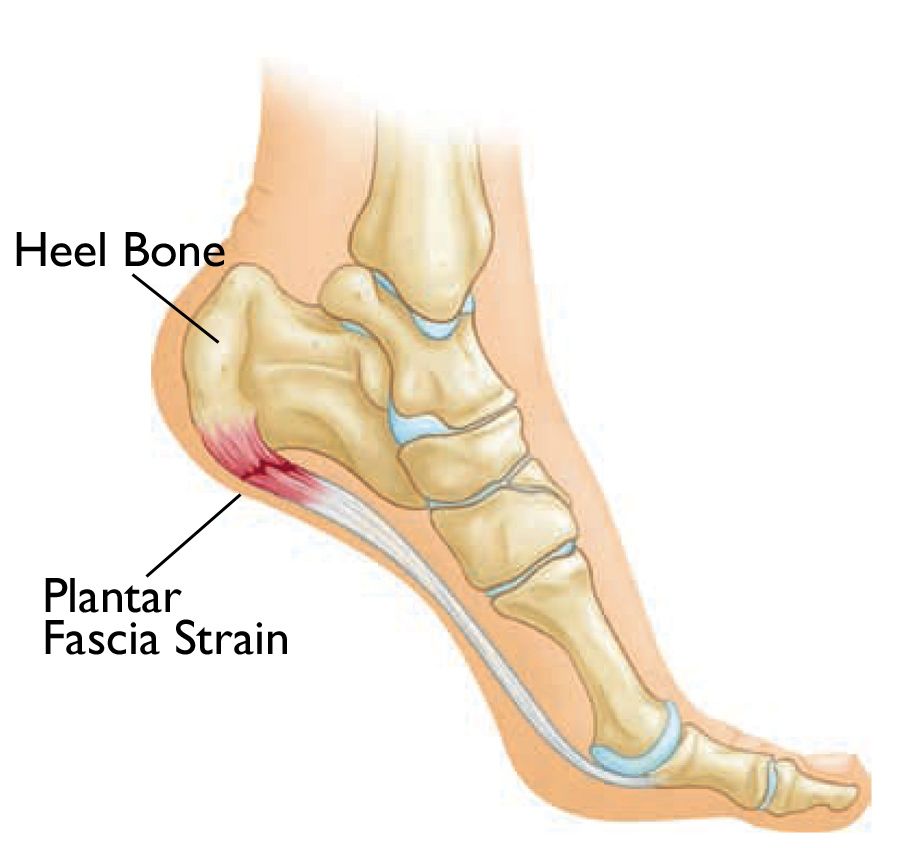
Heel pain is one of those nagging issues that can make even simple activities like walking or standing uncomfortable. The most common cause is plantar fasciitis, which involves irritation of the plantar fascia—a thick band of tissue running along the bottom of your foot.
This tissue acts like a shock absorber. Every time you take a step, it helps manage the forces moving through your foot. But if those forces become uneven or excessive, the plantar fascia gets overloaded.
That overload leads to tiny microtears, inflammation, and eventually pain—usually right at the heel.
What’s important to understand is that heel pain isn’t just about the foot. It’s often the result of how your entire body moves and distributes weight.
If your posture is off, your walking pattern changes. If your walking pattern changes, your foot takes on extra stress.
So instead of just blaming your shoes or your feet, it is worth looking higher up the chain—because that’s often where the real problem begins.
The Kinetic Chain: Why Everything is Connected
Your body works like a chain of interconnected links, often called the kinetic chain. Each part depends on the others to function properly.
If one link shifts out of place, the rest have to adjust to keep everything moving.
For example, if your foot rolls inward, your knee and hip adjust to compensate. But the same works in reverse—if your upper body is misaligned, your lower body adapts.
This is exactly what happens with forward head posture. When your head moves forward, your entire body reorganizes itself to keep you upright.
That means your spine changes shape, your pelvis shifts position, and your legs and feet adjust how they handle weight.
The problem is, these adjustments aren’t always efficient. They often create extra strain in areas that aren’t designed to handle it—like the heel.
So instead of looking at heel pain as a local issue, it makes more sense to see it as part of a bigger picture involving your entire body.
How Forward Head Posture Changes Body Alignment?
Forward head posture doesn’t just affect your neck—it throws off your whole alignment.
When your head moves forward, your upper back rounds to compensate. Your shoulders roll inward, and your chest tightens. To stay balanced, your lower back and pelvis also shift.
All of this changes where your body’s center of gravity sits. Instead of being evenly distributed, your weight starts shifting forward.
Now your lower body has to pick up the slack. Your hips, knees, and ankles adjust their positions to keep you from tipping over.
But here’s the issue—these adjustments aren’t neutral. They change how force travels through your body.
Instead of smooth, balanced movement, you get uneven loading. Certain areas start working harder than they should.
And one of those areas is your foot—especially the heel, which takes a lot of impact with every step.
Over time, this imbalance creates stress that builds up, eventually leading to pain.
The Effect of FHP on Walking and Movement
Your posture directly affects how you walk—even if you don’t notice it.
With forward head posture, your body tends to lean slightly forward. This changes your walking pattern in subtle ways.
You might take shorter steps, land differently on your feet, or shift more weight onto certain areas.
These small changes add up. Your foot may start absorbing more impact than it should, especially at the heel.
Your natural shock absorption system becomes less efficient, meaning your muscles and connective tissues have to work harder.
Over time, this repeated stress can irritate the plantar fascia and other structures in the foot.
Another thing to consider is balance. When your head is forward, your body constantly tries to stabilize itself. That extra effort can lead to muscle fatigue and inefficient movement patterns.
So while it may not feel dramatic, FHP quietly changes how you move—and those changes can eventually show up as heel pain.
How Poor Posture Increases Heel Stress?
When your posture is aligned, your body distributes forces evenly. But when it is off—like in forward head posture—those forces become uneven.
Your center of gravity shifts forward, which means your feet have to handle more load.
This often leads to increased pressure on the heel, especially during walking or standing.
At the same time, your arches may not function as efficiently. Instead of absorbing shock smoothly, they become strained.
That strain gets transferred directly to the plantar fascia.
Think of it like a spring that’s being stretched too often or too far—it eventually loses its ability to bounce back.
Over time, this repeated stress leads to irritation, small tears, and pain.
So while the heel is where you feel the pain, the root cause can be traced back to how your body is aligned from top to bottom.
Muscle Imbalances and Fascial Tension
Forward head posture creates a pattern of muscle imbalances throughout your body.
Some muscles become tight and overactive—like those in your neck, chest, and hips. Others become weak and underused—like your upper back, core, and glutes.
These imbalances don’t stay isolated. They affect how your entire body moves.
For example, weak glutes can change how your legs support your body, which in turn affects how your feet interact with the ground.
There is also the role of fascia—a network of connective tissue that links different parts of your body.
Tension in one area can travel along these fascial lines, affecting distant regions.
So tightness in your upper body can actually increase tension down your legs and into your feet.
This explains why heel pain often persists even when you treat the foot directly—the real issue may be coming from higher up.
Why This Connection is Often Missed?
Most people don’t connect neck posture with heel pain—and it’s easy to see why.
The symptoms show up in completely different areas of the body.
When your heel hurts, your first instinct is to focus on your foot—your shoes, your activity level, or maybe your weight.
And while those factors do matter, they are only part of the picture.
Posture-related causes are often overlooked because they are less obvious.
It is not always easy to notice that your head is slightly forward or that your shoulders are rounded.
Plus, the effects take time to show up.
By the time heel pain develops, the underlying postural issue has often been there for months or even years.
That is why a lot of treatments only provide temporary relief—they address the symptom, not the source.
Risk Factors That Make It Worse
Certain factors can make the impact of forward head posture on heel pain even worse.
A sedentary lifestyle is a big one. Sitting for long hours encourages poor posture and weakens key muscles.
Excessive screen time also plays a role, especially when devices are positioned too low.
Weak core muscles reduce your body’s ability to maintain proper alignment.
Poor footwear can add to the problem by reducing support and shock absorption.
Extra body weight increases the load on your feet, amplifying the effects of poor posture.
Foot structure—like flat feet or high arches—can also make you more vulnerable.
When these factors combine with forward head posture, they create a perfect setup for chronic heel pain.
Addressing them together is key to long-term relief.

FAQ: Forward Head Posture and Heel Pain
Q-1: How does forward head posture cause heel pain?
A-1: Forward head posture shifts your body’s center of gravity forward, forcing your lower body to compensate. This extra forward load increases pressure on the feet, especially the heels.
Over time, this repeated stress can strain the plantar fascia and surrounding tissues. Research suggests that around 11% of adults experience plantar heel pain, which highlights how common load-related stress injuries are when biomechanics are altered.
Q-2: What is the connection between posture and plantar fasciitis pain?
A-2: Your posture determines how forces travel through your body. When alignment is off, those forces become uneven, placing extra strain on certain areas like the heel. Since 1 in 10 people develop plantar fasciitis during their lifetime, even minor postural imbalances can gradually lead to irritation and pain in the plantar fascia.
Q-3: Can poor posture lead to heel pain and foot problems?
A-3: Yes, poor posture can significantly contribute to heel pain. When your body is misaligned, weight distribution becomes uneven, increasing stress on the feet. Studies show that nearly 10% of people report heel pain, and posture-related issues are often an overlooked factor contributing to this widespread problem.
Q-4: How does forward head posture affect foot pressure and gait?
A-4: Forward head posture alters the way you walk by shifting your weight forward. This can shorten your stride and increase pressure on the heel during each step. Heel pain accounts for about 11–15% of all foot-related complaints, and abnormal walking patterns are a major contributor to this statistic.
Q-5: Does neck posture affect plantar fasciitis symptoms?
A-5: While the connection may not seem obvious, neck posture plays a role in overall body mechanics. The body functions as a chain, so misalignment in the upper body affects the lower body. Since plantar fasciitis impacts up to 10% of the population, even indirect contributors like poor neck posture can influence symptom severity.
Q-6. What is the biomechanical link between posture and heel pain development?
A-6: The biomechanical link lies in how forces are transferred through the body. Poor posture disrupts this transfer, leading to inefficient movement and increased stress on the heel. Globally, heel pain affects around 4% to 10% of individuals, often due to repetitive strain caused by faulty biomechanics.
Q-7: How does body alignment impact plantar fasciitis and heel pain?
A-7: Proper alignment ensures even distribution of forces, while poor alignment concentrates stress on specific areas. This increases the risk of tissue damage. Individuals who are overweight have up to a 2.5 to 3 times higher risk of developing heel pain, as excess load further amplifies the effects of poor posture.
Q-8: Can posture correction exercises help relieve heel pain?
A-8: Yes, posture correction can play a key role in reducing heel pain. By improving alignment, you reduce unnecessary strain on the plantar fascia. With around 1 million medical visits annually in the U.S. for plantar fasciitis, combining posture correction with targeted exercises can significantly improve recovery outcomes.
Q-9: What is the kinetic chain relationship between neck posture and foot pain?
A-9: The kinetic chain connects all parts of the body, meaning dysfunction in one area affects others. Poor neck posture can lead to compensations down the spine and into the legs and feet. Heel pain affects nearly 9–10% of older adults, often due to long-term alignment and movement issues across this chain.
Q-10: How can you fix forward head posture to reduce heel pain?
A-10: Improving forward head posture involves strengthening the upper back, stretching tight muscles, and maintaining proper alignment during daily activities. Since about 2 million Americans are diagnosed with plantar fasciitis each year, addressing posture early can reduce stress on the heel and help prevent chronic pain from developing.
Practical Ways to Fix the Problem
The good news is that this issue is fixable with the right approach.
Start with your posture. Keep your head aligned over your shoulders, especially when using screens. Raise your device to eye level whenever possible.
Strengthen the right muscles—your upper back, core, and glutes. These help support proper alignment.
Stretch tight areas like your chest, hip flexors, and calves to restore balance.
Pay attention to how you move. Walk with a natural stride and avoid slouching.
Wear supportive footwear that cushions your heel and supports your arch.
Take breaks from sitting and move regularly throughout the day.
Most importantly, think of your body as a whole system.
Fixing just the foot won’t solve the problem if the root cause is your posture.
Takeaway
Forward head posture might seem like a small habit, but its impact reaches far beyond the neck.
By shifting your alignment and altering how your body distributes weight, it creates hidden stress throughout the kinetic chain.
That stress often ends up in the feet, especially the heel, where impact forces are highest.
Over time, this can lead to persistent pain and conditions like plantar fasciitis.
The key takeaway is simple—your body works as one connected unit.
Ignoring posture while treating heel pain is like fixing a leak without turning off the tap.
By improving alignment, correcting muscle imbalances, and moving more efficiently, you address the root cause.
In the long run, better posture doesn’t just ease heel pain—it improves how your entire body feels and functions.
Recommended:
- https://bestforwardheadposturefix.com/how-forward-head-posture-affects-foot-alignment/
- https://bestforwardheadposturefix.com/how-forward-head-posture-causes-arch-pain/
- https://bestforwardheadposturefix.com/how-forward-head-posture-leads-to-flat-feet/
- https://pmc.ncbi.nlm.nih.gov/articles/PMC12329986/
- Why trust bestforwardheadposturefix.com?
- for educational purpose only