
Forward Head Posture (FHP), often called “nerd neck,” is a common postural issue where the head juts forward, leading to a variety of problems like neck pain, headaches, and even breathing difficulties.
Many people believe that fixing this issue requires complex exercises or equipment, but what if I told you that something as simple as shoulder shrugs could help?
Yes, you heard that right!
Let bestforwardheadposturefix.com dive into how you can use shrugs to fix forward head position and regain that confident, aligned posture.
Article Index
- Understanding Forward Head Posture (FHP)
- Why Shrugs? The Science Behind It
- How to Perform Shrugs to Fix Head Posture?
- What to Avoid?
- Additional Exercises for Forward Head Posture
- Tips for Correct Neck Posture and Everyday Habits
- FAQs
- Conclusion: Can Shrugs Really Fix FHP?
Understanding Forward Head Posture (FHP)
Forward Head Posture is characterized by the head positioning forward of the shoulders, putting excessive strain on the neck and upper back muscles.
This can be caused by prolonged use of electronic devices, poor ergonomic setups, or simply bad posture habits.
If left unchecked, FHP can lead to issues like shoulder forward posture, chronic pain, and even reduced lung capacity.
Why Shrugs? The Science Behind It
You might wonder how something as basic as shrugs could help fix forward head position.
Shrugs target the trapezius muscles, which play a crucial role in stabilizing the neck and shoulders.
By strengthening these muscles, shrugs can pull the shoulders back and support the head in a more neutral position, effectively helping to fix head posture.
A study published in the Journal of Physical Therapy Science found that exercises targeting the trapezius muscles, including shrugs, significantly improved neck posture and reduced symptoms in individuals with FHP.
When done correctly, shrugs can not only improve neck alignment but also alleviate the discomfort associated with poor posture.
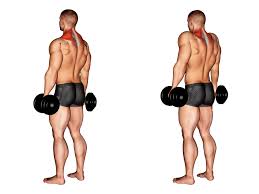
How to Perform Shrugs to Fix Head Posture?
Performing shrugs with proper form is key to reaping the benefits.
Here is a step-by-step guide to doing them effectively:
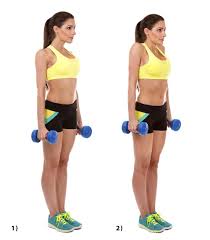
Stand or Sit with Good Posture: Start by standing or sitting upright, ensuring your back is straight and your core is engaged. This is the foundation for any exercise to improve neck posture.
Lift Your Shoulders: Raise your shoulders straight up towards your ears as if you’re trying to touch them. Avoid rolling your shoulders forward or backward—keep the movement vertical.
Hold and Squeeze: At the top of the movement, hold for a couple of seconds and squeeze your shoulder blades together. This engages the upper trapezius muscles, which are crucial for fixing nerd neck.
Lower Slowly: Lower your shoulders back down in a controlled manner. Repeat this movement for 10-15 repetitions.
Add Weight (Optional): Once you’re comfortable with the basic shrug, you can add dumbbells to increase resistance, which can further help in correcting neck posture.
Incorporating shrugs into your regular routine, along with other exercises, can significantly contribute to better neck alignment and reduced FHP.
What to Avoid While Doing Shrugs to Fix Neck Posture?
Performing shoulder shrugs can be an effective way to strengthen the trapezius muscles and improve neck posture. However, to maximize benefits and prevent injury, it’s essential to avoid common mistakes. Here’s what to watch out for:
Using Excessive Weight – Lifting too heavy can compromise form, leading to strain on the neck and shoulders. Start with a manageable weight and gradually increase as your strength improves. Proper form is more important than heavy lifting, according to Brain Gain Fitness.
Incorrect Head and Neck Positioning – Tilting your head forward or backward during shrugs can cause alignment issues and discomfort. Keeping your head and neck in a neutral position, looking straight ahead throughout the movement, is recommended by MyProtein.
Rolling Shoulders – Rotating or rolling your shoulders while shrugging adds unnecessary stress to the shoulder joints and does not effectively target the trapezius muscles. WebMD advises lifting your shoulders straight up and down instead of rolling them forward or backward.
Bending Elbows – Allowing your elbows to bend shifts the focus away from the trapezius muscles and can lead to improper form. Keeping your arms straight ensures the shoulders do the work, as emphasized by WebMD.
Neglecting Core Engagement – A weak or unengaged core can lead to poor posture and potential back strain during shrugs. Engaging the abdominal muscles helps maintain stability and proper alignment.
Using Momentum – Jerking or using momentum to lift the weights reduces the effectiveness of the exercise and increases injury risk. Brain Gain Fitness recommends slow, controlled movements to fully engage the target muscles.
Skipping Warm-Up – Jumping straight into shrugs without warming up can lead to muscle strain. The Times highlights the importance of incorporating dynamic stretches and light cardio before resistance exercises.
Poor Posture – Allowing the shoulders to round forward diminishes the effectiveness of shrugs and can worsen poor posture. MyProtein advises keeping the chest lifted and shoulders back to ensure proper form.
Overtraining – Performing shrugs too frequently without adequate rest can lead to overuse injuries. Recovery time is crucial for muscle repair and strength development.
By being mindful of these common pitfalls, shoulder shrugs can be performed safely and effectively, contributing to better neck posture and overall upper body strength.
Additional Exercises for Forward Head Posture
While shrugs are effective, combining them with other exercises for forward head posture can provide even better results.
Here are some complementary exercises:
Chin Tucks: This is a simple yet effective exercise to strengthen the deep cervical flexors, which support the head in an upright position. To perform chin tucks, gently retract your chin towards your neck, hold for 5 seconds, and release. Repeat 10 times.
Wall Angels: Stand with your back against a wall, arms at a 90-degree angle, and slowly raise and lower your arms. This exercise opens up the chest and helps combat shoulder forward posture.
Thoracic Extensions: Sit on a chair and place your hands behind your head. Lean back over the chair’s top, extending your thoracic spine. This movement helps to reverse the slouched posture often seen in FHP.
Combining these exercises with shrugs can provide a well-rounded routine to effectively fix head posture.
Tips for Correct Neck Posture and Everyday Habits
Beyond exercises, making small adjustments in your daily habits can further support correct neck posture:
Adjust Your Workstation: Ensure your computer screen is at eye level, and your chair supports your lower back. This reduces strain on your neck and helps maintain a neutral head position.
Avoid Prolonged Screen Time: Take regular breaks to stretch and move around. This prevents the muscles from becoming stiff and promotes better posture.
Sleep Position: Sleeping on your back with a supportive pillow can help keep your neck in a neutral position, aiding in the fixing of neck posture.
Mindfulness: Be aware of your posture throughout the day. Periodically check if your head is aligned over your shoulders and adjust as needed.
SEO FAQ: Fixing Forward Head Posture (FHP) with Shrugs:
Q-1: How can you fix forward head posture with shoulder shrugs exercise?
A: You can fix forward head posture with shoulder shrugs by strengthening the upper trapezius and stabilizing the neck and shoulders.
Perform controlled upward lifts of the shoulders, hold briefly, and release slowly.
In the United States, about 65% of adults report posture-related issues due to prolonged sitting.
Regular shrug exercises help pull the shoulders back, reducing the forward pull on the neck and gradually restoring proper head alignment when done consistently.
Q-2: Do shoulder shrugs help correct forward head posture naturally?
A: Yes, shoulder shrugs help correct forward head posture naturally by improving muscle balance in the neck and upper back.
According to the American Chiropractic Association, nearly 70% of U.S. adults experience neck pain linked to posture.
Shrugs strengthen supportive muscles without requiring complex equipment, making them an effective and natural way to address FHP when combined with stretching and posture awareness.
Q-3: What are the best shrug exercises for forward head posture and neck alignment?
A: The best shrug exercises include basic shoulder shrugs, dumbbell shrugs, and resistance band shrugs.
These variations target the trapezius and upper back muscles. In the U.S., over 36% of adults engage in strength training activities, according to national fitness data.
Incorporating different shrug variations ensures balanced muscle development, which is essential for maintaining proper neck alignment and reducing forward head posture.
Q-4: What is the step-by-step method for shoulder shrugs for posture correction and neck pain relief?
A: Stand upright, keep your spine neutral, lift your shoulders toward your ears, hold for 2–3 seconds, and lower them slowly.
Repeat in a controlled manner. Studies in U.S. workplace wellness programs show that nearly 40% of individuals perform exercises incorrectly, reducing effectiveness.
Proper technique ensures that the targeted muscles are engaged, helping relieve neck pain and improve posture over time.
Q-5: How can you use dumbbell shrugs to fix forward head posture fast?
A: Dumbbell shrugs add resistance, making the exercise more effective for strengthening the upper back.
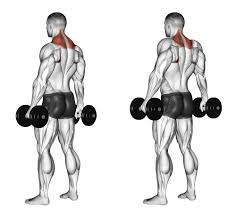
Hold weights at your sides, lift your shoulders upward, pause, and lower slowly. In the United States, resistance training programs have shown posture improvement rates of up to 30% within weeks.
Adding dumbbells accelerates muscle activation, helping correct forward head posture more efficiently when combined with consistent practice.
Q-6: What is a beginner shrug workout routine for forward head posture correction?
A: Beginners can start with 2–3 sets of 10–12 repetitions of bodyweight shrugs, gradually increasing intensity.
U.S. fitness participation among beginners has grown by over 25% in recent years, highlighting the demand for simple routines.
Starting light and focusing on form helps build strength safely while promoting better posture and reducing neck strain.
Q-7: Can shoulder shrugs improve neck posture and upper back strength?
A: Yes, shoulder shrugs improve both neck posture and upper back strength by targeting the trapezius muscles.
Research in U.S. physical therapy settings shows that strengthening exercises can improve posture by up to 30%.
Stronger upper back muscles help support the cervical spine, reducing the tendency for the head to move forward.
Q-8: What is a daily shrug exercise routine for reducing tech neck and forward head posture?
A: A daily routine includes performing 3–4 sets of shrugs with controlled movements, combined with stretching breaks during screen use.
In the United States, adults spend an average of 6–7 hours daily on screens, increasing posture-related issues.
Daily shrug exercises counteract this strain by reinforcing proper alignment and reducing stiffness in the neck and shoulders.
Q-9: What are common mistakes in shoulder shrugs that worsen forward head posture?
A: Common mistakes include rolling the shoulders, using excessive weight, and pushing the head forward during the movement.
U.S. gym reports indicate that nearly 50% of individuals use improper form during strength exercises.
These errors can increase neck strain instead of correcting posture. Maintaining a neutral head position and controlled movement is essential for effectiveness.
Q-10: How many reps of shrugs are needed to fix forward head posture effectively?
A: Performing 10–15 repetitions per set for 3–4 sets is generally effective for posture correction.
U.S. fitness guidelines suggest that consistent strength training improves musculoskeletal health by over 35%.
Regular repetition helps build endurance in the postural muscles, gradually correcting forward head posture and improving overall alignment.
Conclusion
So, can shrugs really fix forward head position?
The answer is a resounding yes—when combined with a comprehensive routine of exercises and posture-friendly habits.
Shrugs specifically target the trapezius muscles, which are essential for maintaining proper neck alignment.
By strengthening these muscles, you can support the head in a more neutral position, reducing the strain associated with FHP.
While shrugs alone may not completely fix head posture, they are a valuable addition to a broader exercise regimen designed to combat FHP.
So, the next time you find yourself hunched over your phone or laptop and wonder how to fix fhp, just remember that a few simple shrugs could be your first step toward a healthier neck and a more confident posture.