Social anxiety is a widespread and often misunderstood condition that affects millions of people worldwide.
It not only influences the way people think and feel in social situations, but also how they physically present themselves.
As per bestforwardheadposturefix.com, “One particularly interesting and less talked-about aspect of social anxiety is its effect on neck positioning. Our necks and head posture play a crucial role in nonverbal communication, influencing how we are perceived by others”.
When someone experiences social anxiety, it can alter the natural alignment of their neck, often in subtle ways. These changes may contribute to feelings of discomfort, low self-esteem, and can affect social interactions in meaningful ways.
By exploring how social anxiety impacts neck positioning, we gain insight into the mind-body connection and open doors to effective strategies for improving both mental health and physical posture.
Article Index
- Understanding Social Anxiety and Its Physical Manifestations
- The Role of Neck Positioning in Nonverbal Communication
- Physiological Mechanisms Underlying Neck Posture Changes in Social Anxiety
- Common Neck Postures Associated with Social Anxiety
- Psychological and Social Implications of Altered Neck Posture
- Strategies to Improve Neck Position and Manage Social Anxiety
- Conclusion
Understanding Social Anxiety and Its Physical Manifestations
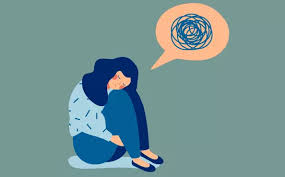
Social anxiety, at its core, is an intense fear of social evaluation. People with social anxiety often worry about being negatively judged or embarrassed in social scenarios. This fear can be so overwhelming that it induces physiological changes in the body.
The fight-or-flight response, triggered by anxiety, floods the body with stress hormones like adrenaline and cortisol. These hormones prepare the body to either confront or flee perceived danger, leading to physical symptoms such as increased heart rate, muscle tension, and changes in breathing patterns.
One of the manifestations of this heightened physiological state is altered body posture. Research has demonstrated that anxious individuals often adopt closed, defensive postures.
These postures, which may include slumped shoulders, lowered heads, and forward neck positioning, are subconscious attempts to protect oneself or reduce visibility in social situations. The positioning of the neck and head is particularly important because it signals levels of confidence, openness, and engagement.
When social anxiety causes a person to alter their neck posture, it can send unintended messages to others, sometimes reinforcing the cycle of anxiety and social withdrawal.
The Role of Neck Positioning in Nonverbal Communication
Neck posture is a subtle yet powerful form of nonverbal communication. It conveys a wealth of information about a person’s emotional state, confidence, and intentions.
For example, an upright neck with the head held high is generally interpreted as a sign of confidence and openness. Conversely, a forward head posture with the neck bent downward can indicate insecurity, submission, or withdrawal.
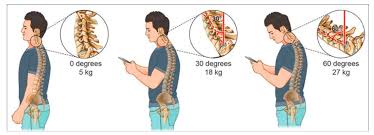
Social anxiety often leads to a forward head posture, where the head extends forward beyond the body’s center of gravity, and the chin tucks down. This position reduces eye contact, which is a critical social signal for connection and attentiveness.
Avoiding eye contact is a common behavior in socially anxious individuals, and it directly influences neck positioning. By lowering or turning the head away, a person unconsciously signals to others a desire to avoid scrutiny or interaction.
Physiological Mechanisms Underlying Neck Posture Changes in Social Anxiety
The changes in neck positioning seen in people with social anxiety are driven by a complex interplay of neurological and muscular factors. Anxiety activates the sympathetic nervous system, the part responsible for the body’s stress response.
Activation of this system increases muscle tension, especially in the neck, shoulders, and upper back. This tension can cause the neck to pull forward or downward as a protective, involuntary reaction.
Moreover, the parasympathetic nervous system, often referred to as the “rest and digest” system, may be underactive in individuals experiencing social anxiety. The vagus nerve, a major component of the parasympathetic system, helps regulate muscle relaxation and overall calmness.
A less active vagus nerve means reduced ability to relax the neck and upper body muscles, contributing to sustained tension and poor posture.
The continuous muscle tension combined with habitual avoidance behaviors can lead to a chronic forward head posture that becomes difficult to correct without conscious effort.
This posture not only affects appearance but can also cause physical discomfort such as neck pain, headaches, and shoulder stiffness.
Common Neck Postures Associated with Social Anxiety
Several distinct neck positions are commonly observed in individuals with social anxiety. The most prevalent is the forward head posture (FHP). In this posture, the head is positioned so far forward that the ears no longer align with the shoulders when viewed from the side.
This causes overstretching of the muscles in the back of the neck and tightening at the front. Forward head posture places additional strain on the cervical spine and often leads to discomfort.
Another common posture is neck flexion, where the chin is tucked inward and downward. This position reduces eye contact and gives the impression of withdrawal or submission. Some socially anxious individuals also exhibit an asymmetrical neck tilt, where one side of the neck is raised or tilted, reflecting hesitation or discomfort in engaging with others.
These postures often develop as protective mechanisms to avoid confrontation or scrutiny. Over time, they can become habitual, reinforcing feelings of low self-esteem and social isolation.
Psychological and Social Implications of Altered Neck Posture
The impact of altered neck posture goes beyond physical discomfort. Psychologically, poor neck positioning can reinforce feelings of vulnerability and insecurity.
When the head is held low or forward, it can negatively affect how a person feels about themselves, perpetuating a cycle of low confidence and increased anxiety.
From a social perspective, neck posture plays a crucial role in how others perceive us. Studies in body language and social psychology suggest that people with forward head posture and reduced eye contact are often perceived as less confident, less approachable, and less trustworthy.
These perceptions can hinder social interactions, leading to fewer opportunities for connection and support.
This creates a feedback loop: social anxiety leads to altered neck posture, altered posture leads to negative social feedback, and negative social feedback increases social anxiety. Breaking this cycle requires both physical and psychological interventions.
Strategies to Improve Neck Position and Manage Social Anxiety
Addressing neck positioning in the context of social anxiety requires a holistic approach that targets both the physical manifestations and the underlying psychological causes.
Here are some effective strategies:
Mindfulness and Body Awareness:
Mindfulness practices encourage individuals to become more aware of their body and posture. Yoga, tai chi, and simple posture checks throughout the day can help individuals notice when their neck is in a forward or downward position and consciously correct it.
Physical Therapy and Exercises:
Specific exercises designed to strengthen the neck and upper back muscles can help counteract forward head posture. Neck stretches and strengthening routines improve muscle balance, reduce tension, and promote better alignment.
Cognitive Behavioral Therapy (CBT):
CBT is highly effective in treating social anxiety by addressing negative thought patterns and behaviors. As anxiety decreases, muscle tension often lessens, making it easier to maintain a relaxed and upright posture.
Breathing Techniques:
Deep, diaphragmatic breathing activates the parasympathetic nervous system, promoting relaxation. Regular practice can reduce overall muscle tension, including in the neck and shoulders.
Posture Coaching and Biofeedback:
Working with a professional who specializes in body language or posture correction can provide personalized feedback and techniques to improve neck positioning. Biofeedback devices can also help individuals learn to control muscle tension consciously.
Ergonomic Adjustments:
For many, poor neck posture is exacerbated by environment factors such as prolonged screen use or poor workstation setup. Ensuring that screens are at eye level and chairs provide adequate support can reduce strain on the neck.
Combining these strategies can significantly improve both neck posture and social anxiety symptoms, leading to enhanced physical comfort and social confidence.
Conclusion
Social anxiety profoundly affects both the mind and body, with neck positioning serving as a visible and meaningful manifestation of this condition.
Forward head posture, neck flexion, and asymmetrical neck tilts are common postural adaptations people with social anxiety develop, often as subconscious protective mechanisms.
These altered postures not only contribute to physical discomfort but also impact social perceptions, reinforcing anxiety and social withdrawal.
Understanding the link between social anxiety and neck positioning highlights the importance of addressing both physical and psychological aspects of the disorder.
Through mindfulness, physical therapy, cognitive behavioral techniques, and proper ergonomic practices, individuals can regain control over their posture and reduce anxiety symptoms.
Improving neck positioning enhances nonverbal communication, boosts confidence, and helps break the vicious cycle of social anxiety.
Awareness and action are key.
By recognizing how social anxiety influences neck posture and taking proactive steps to correct it, individuals can improve their mental well-being, physical health, and social interactions.
The journey toward better posture and reduced anxiety is a powerful step toward living a fuller, more connected life.
References: