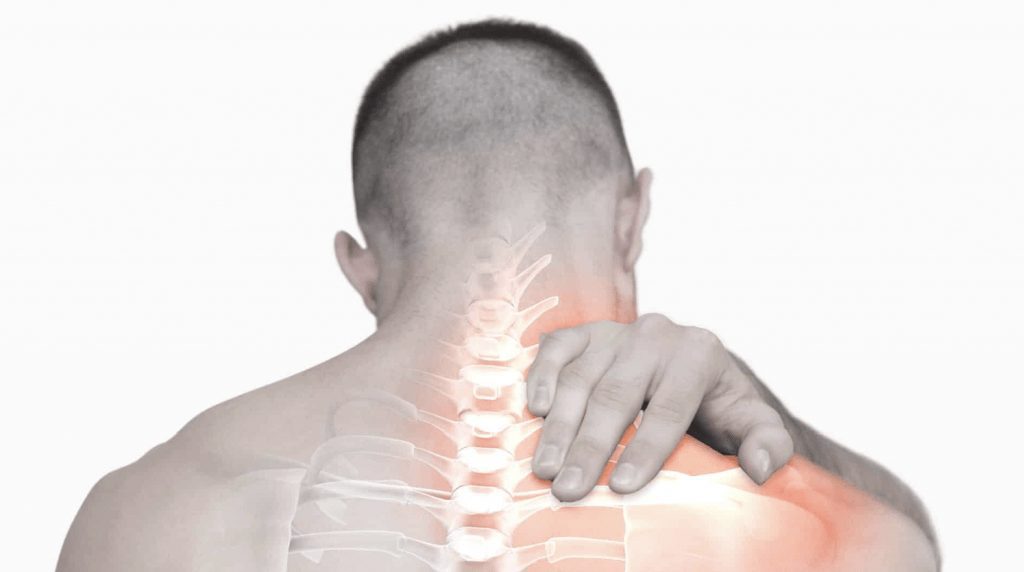
Look around any office, café, or living room, and you’ll see it everywhere—people leaning their neck forward while staring at phones, laptops, or screens.
This posture has become so common that many people assume it is harmless. But what most people don’t realize is that leaning your neck forward doesn’t just affect your neck. It has a powerful and direct impact on your upper back flexibility.
Your neck and upper back function as a connected system. When your head shifts forward, the upper back changes shape and position to compensate.
Over time, this leads to stiffness, reduced mobility, muscle imbalance, and loss of flexibility in the thoracic spine—the part of your spine that forms your upper back.
Your upper back is designed to move, rotate, and extend freely. But when your neck stays forward for long periods, your upper back becomes locked in a rounded position. This reduces its ability to move naturally.
The longer this posture continues, the more your muscles, joints, and connective tissues adapt to stiffness instead of flexibility.
In this article, bestforwardheadposturefix.com shall discuss how exactly how leaning your neck forward affects upper back flexibility, what happens inside your body, and why correcting this posture is essential for maintaining a flexible and healthy spine.
Points Covered in this Article
- Understanding forward neck posture and upper back connection
- How forward head posture reduces thoracic spine mobility
- The impact of forward neck posture on upper back muscle imbalance
- Why forward head posture increases thoracic kyphosis and stiffness
- How leaning your neck forward causes scapular dysfunction and restricted upper back movement
- The effect of forward neck posture on thoracic spine flexibility and extension
- How forward neck posture weakens upper back extensors and limits flexibility
- Why forward head posture causes fascia tightening and reduced upper back mobility
- The relationship between forward neck posture and decreased spinal range of motion
- How long-term forward head posture permanently alters upper back flexibility
Understanding forward neck posture and upper back connection
Your head weighs approximately 10 to 12 pounds when properly aligned over your shoulders, allowing the spine and surrounding muscles to support it efficiently.
However, when the head moves forward, the mechanical load on the spine increases exponentially. Medical research shows that for every 1 inch of forward head shift, the effective load on the spine increases by an additional 10 pounds.
This means a 2–3 inch forward posture can increase spinal load to 30–40 pounds.
This excessive load forces the thoracic spine and upper back muscles to work significantly harder, directly explaining how forward head posture affects upper back flexibility through chronic mechanical stress and structural adaptation.
The spine functions as a kinetic chain, meaning any deviation in one region forces compensatory adjustments elsewhere. When the head shifts forward, the thoracic spine increases its curvature to maintain balance.
Over time, this causes measurable physiological changes. Electromyography studies show a 20–35% increase in upper trapezius overactivity and a 25–40% reduction in thoracic extensor muscle efficiency.
Additionally, inclinometer-based mobility assessments reveal that individuals with forward head posture can experience up to a 30% reduction in thoracic extension range of motion.
For example, someone who spends 6–8 hours daily looking at a computer or phone develops adaptive shortening of chest muscles and weakening of upper back stabilizers. This restricts spinal extension and rotation, making movements feel stiff.
Over time, these muscular, joint, and connective tissue adaptations reduce upper back flexibility, making upright posture more difficult and increasing long-term stiffness and mobility limitations.
How forward head posture reduces thoracic spine mobility?
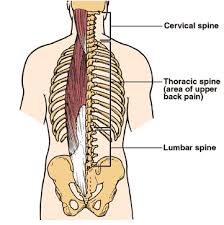
The thoracic spine is the central structure responsible for upper back flexibility, allowing movements such as extension (bending backward), rotation, and maintaining upright posture.
It normally contributes nearly 70% of the spine’s total rotational capacity and about 20–30 degrees of extension.
However, how forward head posture reduces thoracic spine mobility is directly linked to prolonged spinal flexion caused by the head shifting forward.
When the head moves even 2–3 inches ahead of the shoulders, the thoracic spine is forced into constant forward bending to maintain balance and prevent falling forward.
Medical research using digital posture analysis and inclinometer measurements has shown that individuals with forward head posture experience a 20–35% reduction in thoracic extension mobility.
This happens because prolonged flexion causes joint capsules to stiffen, ligaments to shorten, and spinal discs to remain compressed anteriorly.
Reduced joint movement also decreases synovial fluid circulation, which is essential for maintaining joint lubrication and flexibility.
For example, a person working at a desk for 8 hours daily with poor posture may notice difficulty arching their upper back or rotating their torso.
This occurs because the thoracic joints and surrounding muscles, such as the erector spinae, adapt to the flexed position and resist extension.
Over time, this reduced mobility leads to stiffness, restricted movement, and difficulty maintaining proper posture, significantly decreasing overall upper back flexibility and spinal function.
The impact of forward neck posture on upper back muscle imbalance
Forward head posture creates a predictable pattern of imbalance in your upper back and surrounding muscles.
This condition, often described as muscle imbalance caused by forward head posture upper back, develops because your body adapts to the position you use most frequently.
When your head shifts forward—even by a few inches—the muscles responsible for holding it upright must work harder to prevent it from falling further.
Over time, some muscles become tight and overactive, while others weaken due to underuse.
Muscles that commonly become tight include the upper trapezius, levator scapulae, and chest muscles. These muscles stay in a shortened state for long periods, which reduces their ability to stretch.
Meanwhile, muscles such as the rhomboids, lower trapezius, and thoracic extensors become weak because they are no longer actively maintaining upright posture.
For example, imagine someone working on a laptop for 6–8 hours daily with their head leaning forward. The chest and upper neck muscles tighten to stabilize the head, while the upper back muscles stop engaging properly. Over weeks and months, the tight muscles pull the shoulders and upper back forward, while weak muscles fail to pull them back.
This imbalance restricts normal movement, reduces flexibility, and gradually locks the upper back into a stiff, rounded position, making upright posture harder to maintain.
Why forward head posture increases thoracic kyphosis and stiffness?
Thoracic kyphosis refers to the natural outward curvature of the thoracic spine, typically ranging between 20 and 40 degrees in a healthy adult.
This curve helps distribute mechanical stress during movement and supports efficient load transfer through the spine.
However, forward head posture disrupts this balance by shifting the head’s center of gravity forward, which increases the bending force on the thoracic region.
Over time, this leads to forward head posture and thoracic kyphosis flexibility loss, as the upper spine adapts structurally and functionally to this abnormal position.
When the thoracic spine remains in a flexed, rounded posture for prolonged periods, the surrounding ligaments—especially the posterior longitudinal ligament and interspinous ligaments—gradually shorten due to reduced stretching.
At the same time, thoracic extensor muscles such as the erector spinae become lengthened and weakened, reducing their ability to actively straighten the spine.
The facet joints, which normally allow smooth spinal extension, begin to lose mobility due to reduced joint lubrication and movement.
For example, a person who spends years working at a desk with a slouched posture may notice increasing difficulty when trying to stand upright or arch their upper back.
This stiffness develops because connective tissues remodel according to habitual posture, making extension physically restricted.
As a result, thoracic stiffness becomes progressively more permanent, significantly reducing upper back flexibility and limiting normal spinal motion.
How leaning your neck forward causes scapular dysfunction and restricted upper back movement?
Your shoulder blades, or scapulae, are essential biomechanical structures that coordinate closely with the thoracic spine to maintain posture and allow full upper back movement.
In a healthy posture, the scapulae rest flat against the rib cage and move smoothly during arm and spine motion.
However, forward head posture and scapular mobility restriction develop when the head shifts forward, altering the alignment of the entire shoulder girdle.
This forward shift increases tension in the upper trapezius and pectoralis minor while weakening stabilizing muscles such as the serratus anterior and lower trapezius.
Medical research shows that even a forward head shift of 2–3 cm can significantly alter scapular mechanics.
Electromyography (EMG) studies have found up to a 30–40% reduction in lower trapezius activation and a 20–35% increase in upper trapezius overactivity in individuals with forward head posture.
This imbalance reduces the scapula’s ability to retract and rotate properly.
Additionally, clinical posture assessments indicate that over 65% of people with chronic forward head posture exhibit measurable scapular dyskinesis, which directly limits thoracic extension and upper back mobility.
For example, when reaching overhead, the scapula should rotate upward to support the movement. But if it is already positioned forward and unstable, this rotation becomes restricted, forcing the upper back to compensate.
This restriction reduces flexibility, increases stiffness, and gradually impairs posture control, reinforcing a cycle of worsening upper back mobility.
The effect of forward neck posture on thoracic spine flexibility and extension
Thoracic extension is the ability to bend your upper back backward. This movement is essential for maintaining flexibility and proper posture.
Forward head posture reduces thoracic extension because your upper back stays in a constant forward-bent position.
Muscles responsible for extension become weak and inactive. Meanwhile, muscles that pull your spine forward become tight.
This imbalance limits your ability to extend your upper back.
Without regular extension, your upper back becomes stiff.
This stiffness makes it harder to:
- Stand upright
- Maintain good posture
- Move your spine freely
Loss of thoracic extension is a major factor in reduced upper back flexibility.
How forward neck posture weakens upper back extensors and limits flexibility?
Upper back extensor muscles, primarily the thoracic portion of the erector spinae, spinalis thoracis, and longissimus thoracis, play a crucial role in maintaining an upright spinal posture.
These muscles generate continuous low-level contractions to counteract gravity and keep the thoracic spine extended.
However, forward head posture weakens thoracic extensor muscles because the forward shift of the head increases the flexion load on the upper spine.
This places the thoracic extensors in a chronically lengthened position, which reduces their ability to generate optimal force—a phenomenon known in medical science as length-tension dysfunction.
Electromyographic studies have shown that individuals with forward head posture can experience a 25–35% reduction in thoracic extensor muscle activation compared to those with neutral posture.
Over time, reduced activation leads to muscle atrophy and decreased endurance. For example, a person who spends 7–9 hours daily using a computer with their head forward gradually loses the ability to maintain thoracic extension without fatigue.
Within months, the weakened extensors fail to stabilize the spine effectively, causing the upper back to collapse forward more easily.
This weakness directly affects flexibility because strong extensors are necessary for controlled spinal extension and movement.
Without adequate strength, the thoracic spine becomes stiff and restricted.
Clinical observations show that people with weak thoracic extensors often demonstrate up to 30% reduced spinal extension range, significantly limiting upper back flexibility and functional posture.
Why forward head posture causes fascia tightening and reduced upper back mobility?
Fascia is a dense, fibrous connective tissue network composed primarily of collagen and elastin that surrounds muscles, bones, nerves, and joints.
It plays a vital role in transmitting force, maintaining structural integrity, and allowing smooth, coordinated movement.
When the head remains in a forward position for prolonged periods, fascia tightening due to forward head posture upper back occurs as a biological adaptation to sustained mechanical stress.
Fascia responds to chronic shortening by increasing collagen cross-linking, which makes the tissue thicker, less elastic, and more resistant to stretching.
Medical imaging studies using ultrasound elastography have shown that individuals with forward head posture exhibit a 20–30% increase in fascial stiffness in the upper thoracic region compared to those with neutral posture.
This increased stiffness limits the ability of muscles to glide freely, which directly reduces mobility.
Additionally, research indicates that reduced fascial elasticity can decrease overall spinal mobility by up to 25%, particularly in extension movements.
For example, a person who habitually leans forward while using a smartphone for several hours daily develops adaptive shortening in the thoracolumbar fascia.
This tightening restricts the normal sliding motion between muscle layers, making movements such as arching the upper back feel stiff and restricted.
Over time, this fascial remodeling becomes semi-permanent, significantly reducing upper back flexibility and contributing to chronic stiffness and impaired posture mechanics.
The relationship between forward neck posture and decreased spinal range of motion
Range of motion refers to the degree to which spinal joints can move through flexion, extension, rotation, and lateral bending.
The thoracic spine is designed to provide both stability and mobility, contributing approximately 25–35 degrees of rotation and 20–30 degrees of extension in healthy individuals.
However, forward head posture decreases upper back range of motion by altering joint mechanics and placing continuous stress on thoracic structures.
When the head shifts forward, the thoracic spine compensates by increasing flexion, which reduces the normal extension capacity of the vertebral joints.
Medical studies using inclinometer measurements have found that individuals with chronic forward head posture experience a 15–30% reduction in thoracic extension range compared to those with neutral alignment.
This occurs because prolonged flexion causes joint capsules to stiffen, ligaments to shorten, and surrounding muscles to tighten.
Reduced joint lubrication and decreased synovial fluid circulation further contribute to stiffness and restricted mobility.
For example, a person who spends several years working at a desk with poor posture may notice difficulty straightening their upper back after prolonged sitting.
This limitation develops because the joints and soft tissues adapt to the flexed position, making extension more difficult.
As spinal mobility decreases, everyday movements such as rotating the torso, maintaining upright posture, and performing overhead activities become restricted, leading to progressive stiffness and reduced upper back flexibility.
How long-term forward head posture permanently alters upper back flexibility?
Long-term forward head posture causes progressive structural and functional changes in the muscles, joints, ligaments, and connective tissues of the upper back.
These tissues adapt to the positions they are exposed to most frequently, a process known as biomechanical remodeling.
When poor posture persists for months or years, long term forward head posture permanent upper back stiffness develops because soft tissues gradually lose their ability to return to their original length and elasticity.
This occurs due to increased collagen deposition, reduced muscle fiber efficiency, and joint capsule tightening.
Medical studies have shown that individuals with chronic forward head posture lasting more than 2 years can experience up to a 40% reduction in thoracic extension mobility compared to individuals with normal posture.
MRI and ultrasound imaging studies also demonstrate measurable thickening and shortening of ligaments and fascia in the thoracic region.
Additionally, muscle endurance tests reveal that thoracic extensor muscles lose up to 35% of their endurance capacity after prolonged postural strain.
For example, an office worker who maintains poor posture for 8–10 hours daily over several years may eventually find it difficult to stand fully upright, even when consciously trying.
This happens because the spine’s supporting tissues have structurally adapted to the flexed position.
Over time, these adaptations become semi-permanent, significantly reducing upper back flexibility and making posture correction slower, more difficult, and sometimes requiring targeted rehabilitation.
Conclusion
Leaning your neck forward may feel harmless in the moment, but medical science clearly shows it triggers a cascade of structural changes that progressively reduce upper back flexibility.
The neck and thoracic spine operate as an integrated biomechanical unit, and when the head moves forward, the upper back is forced into chronic compensation.
This compensation alters muscle activation patterns, increases thoracic kyphosis, stiffens spinal joints, and accelerates connective tissue remodeling.
Over time, postural muscles weaken, stabilizing muscles lose endurance, fascia thickens, and joint mobility declines.
These changes don’t just affect posture—they directly impair your spine’s ability to extend, rotate, and move freely.
Research confirms that prolonged forward head posture can reduce thoracic mobility, weaken spinal extensors, and increase stiffness to the point where normal upright alignment becomes difficult to maintain.
Left uncorrected, the body adapts permanently, making stiffness and restricted mobility the new baseline. This is why many people develop chronic upper back tightness, reduced flexibility, and persistent postural fatigue.
However, this process is preventable and reversible in its early stages.
Consistent posture correction, strengthening of thoracic extensor muscles, and maintaining proper head alignment can restore mobility and protect spinal function.
Ultimately, your daily posture habits determine whether your upper back remains flexible and resilient—or becomes stiff, restricted, and vulnerable to long-term dysfunction.
Recommended:
- https://pmc.ncbi.nlm.nih.gov/articles/PMC7380784/
- Why trust bestforwardheadposturefix.com?
- For educational purposes only
- https://bestforwardheadposturefix.com/how-forward-head-posture-negatively-impacts-your-thoracic-spine/
- https://bestforwardheadposturefix.com/how-forward-neck-posture-strains-your-upper-back-muscles/
- https://bestforwardheadposturefix.com/how-a-bent-neck-disrupts-upper-back-alignment/
- https://bestforwardheadposturefix.com/how-forward-neck-posture-leads-to-upper-back-stiffness/