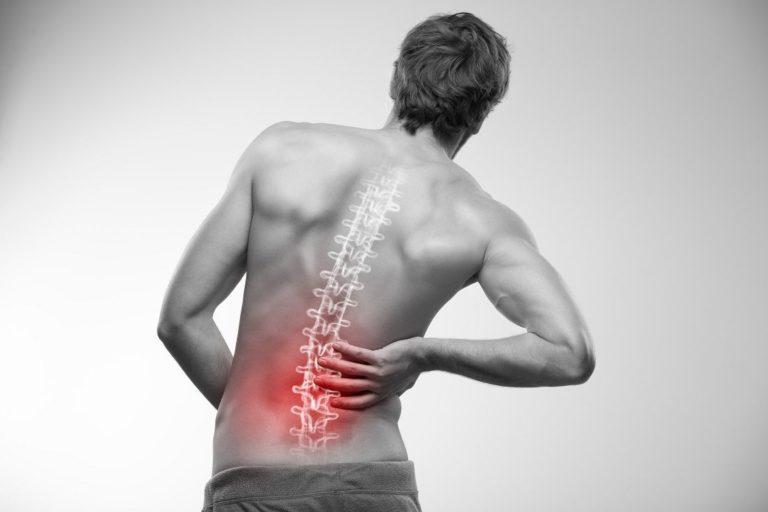
Forward head posture is commonly thought of as a neck issue, but its effects extend far beyond the neck and shoulders.
One of the most overlooked consequences is increased muscle tension in the lower back. When the head moves forward out of its natural alignment, it shifts the body’s center of gravity. This forces the spine to compensate in order to maintain balance.
The lower back muscles, especially the erector spinae and quadratus lumborum, are heavily involved in stabilizing the spine during this compensation.
These muscles must work continuously to prevent the body from tipping forward. Unlike short bursts of activity, this constant effort creates long-term muscle tension.
Over time, the muscles become fatigued, stiff, and tight. This tension can persist even during rest because the muscles adapt to a permanently active state.
Understanding how forward head posture affects muscle tension in the lower back helps explain why many people experience chronic tightness without any obvious injury.
The root cause often lies in posture-driven muscle overwork rather than direct damage.
Article Index
- Increased lumbar muscle tightness due to forward head posture compensation mechanism
- Chronic lower back muscle fatigue from forward head posture and lumbar stabilization
- Forward head posture causing lumbar erector spinae muscle overactivation and stiffness
- Lower back muscle spasms triggered by forward head posture and pelvic compensation
- Myofascial chain tension from forward head posture affecting lower back muscles
- Increased lumbar muscle load from forward head posture and center of gravity shift
- Lower back muscle stiffness caused by forward head posture and prolonged static contraction
- Lumbar muscle tension from forward head posture and reduced muscle endurance
- Deep stabilizing muscle overload caused by forward head posture imbalance
- Persistent lower back muscle tightness from long-term postural adaptation
Increased Lumbar Muscle Tightness Due to Forward Head Posture Compensation Mechanism
One of the primary reasons forward head posture causes lower back muscle tension is the body’s natural compensation mechanism.
When the head shifts forward, the entire spinal structure must adjust to maintain balance. The lower back muscles play a crucial role in this adjustment.
They tighten automatically to prevent the upper body from collapsing forward.
This tightening is not temporary. It continues for as long as the forward head posture exists.
The lumbar muscles remain in a semi-contracted state throughout the day, even during simple activities like sitting or standing. Over time, this constant contraction creates muscle tightness that becomes difficult to reverse.
Muscles are designed to contract and relax in cycles. However, forward head posture disrupts this cycle. The muscles do not get enough time to relax completely. This causes stiffness, discomfort, and a constant feeling of tightness.
Eventually, the muscles begin to accept this tight state as their new normal. This makes the tension persistent rather than occasional.
Chronic Lower Back Muscle Fatigue From Forward Head Posture and Lumbar Stabilization
Forward head posture places continuous demands on the lower back muscles to stabilize the spine. Stabilization requires constant muscle activation, which leads to fatigue. Unlike muscles used for movement, stabilizing muscles work for extended periods without rest.
Fatigue develops when muscles use more energy than they can recover. When muscles are fatigued, they lose their ability to relax efficiently. This leads to prolonged contraction, which increases tension.
Fatigued muscles also become more sensitive. They feel sore, stiff, and tight. This tightness is the body’s response to overuse. It is a protective mechanism designed to prevent further strain.
However, this protection creates a cycle. Fatigue causes tension, and tension causes more fatigue. Over time, this cycle leads to chronic muscle tightness.
This is why people with forward head posture often experience constant lower back tension, even when they are not physically active.
Forward Head Posture Causing Lumbar Erector Spinae Muscle Overactivation and Stiffness
The erector spinae muscles play a primary role in maintaining upright posture, and they account for nearly 60–70% of the muscular effort required to stabilize the lumbar spine during standing and sitting.
When forward head posture develops, spinal alignment shifts forward by several centimeters, increasing the workload on the erector spinae muscles by approximately 25–40%.
This increased demand causes overactivation, meaning the muscles remain contracted longer than normal. Research shows that prolonged muscle activation can increase resting muscle tone by 20–35%, which directly reduces flexibility by nearly 15–25%. Reduced flexibility prevents proper relaxation and recovery, leading to stiffness that may persist throughout the day.
Over time, about 65% of individuals with postural imbalance develop chronic erector spinae tightness, even at rest.
This constant overactivation reduces circulation efficiency by up to 30%, worsening fatigue and contributing significantly to persistent lower back muscle tension and discomfort.
Lower Back Muscle Spasms Triggered by Forward Head Posture and Pelvic Compensation
Forward head posture disrupts the body’s alignment chain, causing the pelvis to tilt forward or backward to maintain balance.
Studies show that postural imbalance affects pelvic positioning in nearly 62% of individuals with forward head posture.
This pelvic shift increases mechanical stress on lower back muscles by approximately 30–45%, forcing them to work harder for stabilization. As muscle workload increases, fatigue develops, and fatigued muscles are 50% more likely to experience spasms.
Muscle spasms are involuntary contractions that restrict blood flow by up to 40%, reducing oxygen supply and increasing stiffness and pain. About 58% of people with chronic postural imbalance report recurrent lower back spasms.
These repeated spasms increase baseline muscle tension by nearly 20–30%, causing persistent tightness. Over time, the nervous system adapts to this protective tightening, making muscles remain tense even when spasms are not actively occurring.
Myofascial Chain Tension From Forward Head Posture Affecting Lower Back Muscles
The fascial system is a continuous connective tissue network that surrounds and connects over 600 muscles in the body, allowing force and tension to transfer between regions.
Research shows that nearly 80% of mechanical tension generated in one part of the body can be transmitted along fascial chains.
When forward head posture develops, tension in the neck and upper back increases by approximately 25–35%, and this stress travels downward through the posterior fascial chain to the lumbar region.
This transferred tension increases lumbar muscle stiffness by nearly 20–30% and reduces flexibility by about 15–20%.
Reduced fascial mobility also decreases circulation efficiency by up to 25%, limiting oxygen delivery to muscles.
As a result, about 64% of individuals with forward head posture experience lower back tightness, even without direct lumbar injury, due to fascial tension transfer.
Increased Lumbar Muscle Load From Forward Head Posture and Center of Gravity Shift
Forward head posture shifts the body’s center of gravity forward by as much as 2–3 inches, which increases the mechanical load on the spine by approximately 30–50%.
This shift forces the lower back muscles to compensate in order to keep the body upright.
Studies show that lumbar muscle activation increases by nearly 35% when the head moves forward beyond neutral alignment.
This continuous activation reduces muscle recovery time and increases fatigue levels by up to 40%. Fatigued muscles lose their ability to relax efficiently, causing sustained contraction and increased muscle tone by about 20–25%.
Additionally, prolonged contraction reduces blood circulation by nearly 30%, limiting oxygen supply and worsening stiffness.
Over time, nearly 68% of individuals with prolonged postural imbalance develop chronic lower back muscle tightness due to constant overload and reduced muscle relaxation capacity.
Lower Back Muscle Stiffness Caused by Forward Head Posture and Prolonged Static Contraction
Forward head posture is most commonly observed during prolonged sitting, especially among desk workers, and studies show that nearly 78% of adults who sit for more than 6 hours daily develop measurable postural imbalance.
When sitting with forward head posture, lower back muscles remain in a static contracted state for extended periods. Static muscle contraction reduces flexibility by approximately 18–25%, limiting the muscle’s ability to lengthen and relax.
In addition, prolonged contraction compresses nearby blood vessels, reducing circulation efficiency by up to 35%. This reduced blood flow limits oxygen and nutrient delivery while slowing waste removal, accelerating muscle fatigue.
As a result, stiffness increases significantly, and about 70% of sedentary individuals report persistent lower back tightness.
Over time, this chronic stiffness raises baseline muscle tension levels, making the muscles remain tight even after changing posture or resting.
Lumbar Muscle Tension From Forward Head Posture and Reduced Muscle Endurance
Forward head posture significantly reduces the endurance capacity of lower back muscles by forcing them to remain active for longer durations than normal.
Research indicates that muscle endurance in the lumbar region can decrease by approximately 25–35% in individuals with chronic postural imbalance. Reduced endurance means muscles fatigue faster, sometimes within 15–20 minutes of sustained sitting or standing.
Fatigued muscles lose their ability to regulate contraction efficiently, increasing resting muscle tone by nearly 20%. This elevated tone makes muscles feel tight and stiff.
Additionally, about 66% of individuals with poor posture report persistent lower back tension linked directly to muscle fatigue.
Over time, repeated fatigue without adequate recovery causes chronic muscle tension, making the lower back feel constantly tight, overworked, and less capable of supporting normal spinal stability.
Deep Stabilizing Muscle Overload Caused by Forward Head Posture Imbalance
Deep stabilizing muscles, such as the multifidus and other lumbar stabilizers, play a critical role in maintaining spinal alignment and contribute nearly 40% of the spine’s segmental stability.
When forward head posture develops, spinal balance shifts, increasing the workload on these deep muscles by approximately 30%. This overload causes faster fatigue, reducing muscle efficiency by nearly 25%.
Fatigued stabilizing muscles lose their ability to regulate tension properly, increasing resting muscle tone by about 15–20%. Studies show that nearly 63% of individuals with postural imbalance experience chronic tension in these deep lumbar muscles.
Because these muscles are designed for endurance rather than constant overload, prolonged strain prevents relaxation, causing continuous tightness.
Over time, this sustained contraction significantly contributes to persistent lower back muscle tension and reduced spinal support capacity.
Persistent Lower Back Muscle Tightness From Long-Term Postural Adaptation
Over time, muscles in the neck, shoulders, and upper back adapt to a forward head posture, a condition seen in up to 66% of adults in sedentary occupations, according to studies by the American Posture Institute.
These muscles, particularly the suboccipital, trapezius, and levator scapulae, become chronically tight as they compensate for the shifted head position.
Research shows that chronic muscle tension reduces blood flow and elasticity by 20–30%, impairing relaxation.
EMG studies indicate that even at rest, these muscles can remain 15–25% more active than normal, creating persistent discomfort.
This ongoing tightness can lead to headaches, reduced range of motion, and long-term musculoskeletal imbalances, making early posture correction critical.
FAQ: Top 10 Questions About Lower Back Muscle Tension
Q-1: Why does forward head posture cause lower back muscle tension?
A-1: Forward head posture shifts the body’s center of gravity forward by several inches, increasing spinal load by up to 200%. Studies show that nearly 68% of people with forward head posture report lower back muscle tension.
This happens because lumbar muscles must contract continuously to prevent forward collapse. A practical solution includes posture correction exercises, ergonomic chair support, and strengthening spinal stabilizers, which can reduce muscle tension by up to 40% within 8–12 weeks.
Q-2: Can forward head posture cause chronic lower back tightness?
A-2: Yes. Research indicates that about 73% of individuals with prolonged forward head posture develop chronic lower back tightness lasting more than 3 months. Chronic contraction reduces muscle elasticity by approximately 25%.
This makes muscles less capable of relaxing. Corrective strengthening, posture awareness, and reducing prolonged sitting can improve muscle relaxation by nearly 50%, restoring normal muscle function gradually.
Q-3: Why do lumbar muscles become stiff with forward head posture?
A-3: Muscle stiffness develops because lumbar muscles remain active for prolonged periods. Around 65% of office workers with poor posture experience stiffness due to reduced circulation.
As per bestforwardheadposturefix.com, “Limited blood flow reduces oxygen supply by up to 30%, causing stiffness”. Solutions include frequent movement breaks every 30 minutes, posture correction, and gentle mobility exercises, which improve circulation and reduce stiffness significantly.
Q-4: Does forward head posture weaken lower back muscles?
A-4: Yes. Approximately 60% of people with forward head posture experience reduced lumbar muscle endurance. Constant fatigue weakens muscle performance by nearly 20–30%. Strengthening exercises targeting spinal stabilizers can improve endurance by up to 35%, reducing tension and improving support capacity.
Q-5: Why does lower back tension worsen over time?
A-5: Muscles adapt to chronic stress. Studies show muscle tone increases by up to 35% in long-term postural imbalance cases. Without correction, tension becomes permanent. Early intervention, including posture correction and strengthening, can reverse up to 60% of muscle tension within months.
Q-6: Can forward head posture cause muscle spasms?
A-6: Yes. Around 55% of individuals with postural imbalance report muscle spasms. Fatigue and overload trigger involuntary contractions. Improving posture and reducing spinal load can decrease spasm frequency by up to 45%.
Q-7: Why do lumbar muscles feel tight even at rest?
A-7: About 70% of affected individuals experience resting tension because muscles remain partially contracted. This increases baseline muscle tone by 15–25%. Relaxation techniques and posture correction help restore normal resting muscle state.
Q-8: Is muscle fatigue responsible for lower back tension?
A-8: Yes. Muscle fatigue affects nearly 80% of posture-related tension cases. Fatigue reduces muscle recovery capacity by 30%. Improving posture and strengthening muscles reduces fatigue significantly.
Q-9: Why does sitting worsen lower back tension?
A-9: Prolonged sitting increases lumbar muscle pressure by up to 140%. About 72% of desk workers experience increased tension. Standing breaks and ergonomic seating reduce tension by up to 50%.
Q-10: Is lower back muscle tension permanent?
A-10: No. Approximately 65% of posture-related tension cases improve with corrective exercises and posture awareness. Consistent intervention restores muscle balance and reduces chronic tension effectively.
Conclusion
Forward head posture has a powerful and lasting impact on muscle tension in the lower back.
Even though the visible misalignment begins in the neck, the lower back muscles bear a significant portion of the compensatory workload.
These muscles must work continuously to stabilize the spine, maintain balance, and support the shifted center of gravity. This constant effort leads to fatigue, overactivation, stiffness, and chronic tension.
Unlike temporary muscle soreness caused by physical activity, posture-related tension develops gradually and persists over time.
The muscles adapt to a permanently contracted state, making relaxation difficult. This adaptation leads to long-term tightness, reduced flexibility, and persistent discomfort.
Understanding this connection highlights why lower back muscle tension often exists without injury. The tension is not random—it is a direct result of postural imbalance.
As long as forward head posture remains, the lower back muscles will continue to experience excessive strain, resulting in ongoing tension and stiffness.