Forward head posture (also known as “nerd neck”) has become increasingly common in today’s tech-driven world, where prolonged screen time and poor ergonomics lead to neck and shoulder strain.
Many seek out remedies for this, from posture exercises to ergonomic adjustments. Recently, needle insertion therapy, particularly dry needling, has gained attention as a possible solution.
But can this form of therapy really fix forward head posture?
Let’s dive into what needle insertion therapy is, how it works, and whether it can help you correct your posture.
Article Index:
- What is Needle Insertion Therapy?
- How Does Needle Insertion Work for Forward Head Posture?
- The Science Behind Dry Needling for Posture Correction
- Symptoms of Forward Head Posture: Why It’s More Than Just Neck Pain
- Dry Needling for Myofascial Pain and Muscle Imbalance
- Combining Dry Needling with Physical Therapy for Best Results
- Potential Side Effects of Dry Needling and What to Expect
- FAQs on Needle Therapy to Fix Anterior Head Translation
- Conclusion: Is Needle Insertion Therapy the Solution to Forward Head Posture?
What is Needle Insertion Therapy?
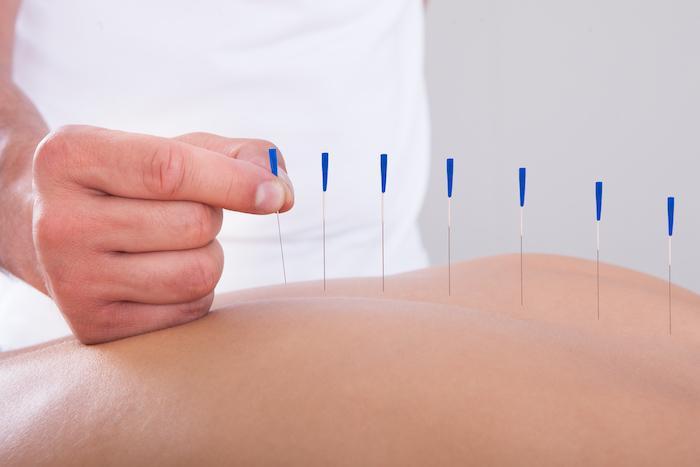
Needle insertion therapy, often referred to as dry needling, is a treatment used to relieve muscle pain by targeting trigger points—tight bands of muscle that can cause discomfort.
Unlike acupuncture, which is rooted in traditional Chinese medicine and focuses on restoring energy balance, dry needling is based on Western medicine principles and targets specific muscle dysfunctions related to posture, pain, and movement impairments.
Dry needling involves inserting thin, filiform needles into muscle tissue to stimulate trigger points or knots, releasing tension and improving muscle function.
This technique is widely used by physical therapists to treat a variety of musculoskeletal issues, including forward head posture.
How Does Needle Insertion Work for Forward Head Posture?
When dealing with forward head posture, certain muscles, like the suboccipital muscles and upper trapezius, often become overactive or tight, while other muscles, such as the deep cervical flexors, become weak.
This imbalance can contribute to a protruding head position.
Dry needling for posture correction aims to address these imbalances by releasing the tension in the tight muscles and promoting relaxation, thus allowing the head and neck to return to their neutral alignment.
By targeting specific muscle groups that contribute to forward head posture, needle insertion therapy can enhance flexibility, relieve pain, and improve overall posture.
The Science Behind Dry Needling for Posture Correction
Pain Reduction and Functional Improvement
- Dry needling has been found effective in reducing musculoskeletal pain and improving function.
- A systematic review published in the Journal of Orthopaedic & Sports Physical Therapy concluded that dry needling can decrease pain intensity and increase pressure pain thresholds in patients with musculoskeletal disorders.
- The study found that dry needling was more effective than no treatment or sham interventions in the short term, with benefits lasting up to 12 weeks. However, the researchers noted that the quality of evidence varied from low to moderate, indicating the need for further studies (Journal of Orthopaedic & Sports Physical Therapy, 2024).
Enhanced Outcomes with Combined Therapies
- Research suggests that combining dry needling with other therapeutic interventions leads to better outcomes.
- A study published in the Journal of Bodywork and Movement Therapies found that patients who received both dry needling and exercise therapy showed significantly greater improvements in pain levels and posture than those who received only exercise therapy (Journal of Bodywork and Movement Therapies, 2024).
Mechanism of Action
- Dry needling works by disrupting the neurological feedback loop responsible for muscle tightness and pain.
- By inserting fine needles into tight bands of muscle, a localized “twitch response” is triggered, helping to relax the muscle and relieve tension.
- This process also enhances blood flow and promotes a healing response in the affected tissue.
Application in Forward Head Posture (FHP)
- Forward Head Posture (FHP) causes excessive strain on the neck muscles due to the head’s anterior positioning.
- A study published in the Journal of Modern Rehabilitation examined the effects of dry needling on the upper trapezius muscle and found improvements in neck angles and range of motion among individuals with FHP.
- These findings suggest that targeting key muscles involved in FHP with dry needling may help correct posture and alleviate muscle strain (Journal of Modern Rehabilitation, 2024).
Safety and Considerations
- Dry needling is considered a safe and minimally invasive procedure when performed by trained practitioners.
- Common side effects include mild soreness or bruising at the insertion sites, which typically resolves within a few days.
- A thorough patient assessment is essential to determine the suitability of dry needling as part of a rehabilitation program.
Dry needling has been shown to be effective in managing musculoskeletal pain and improving posture, particularly in cases of Forward Head Posture. When combined with exercise therapy, it can enhance pain relief and postural correction. Further research continues to explore its long-term benefits and optimal application in clinical settings.
Symptoms of Forward Head Posture: Why It’s More Than Just Neck Pain
Forward head posture isn’t just about discomfort in the neck. Over time, the condition can lead to a host of other symptoms, including:
- Tension headaches
- Upper back and shoulder pain
- Reduced mobility
- Tingling or numbness in the arms
These symptoms arise from the constant strain placed on the muscles and nerves due to improper head positioning.
This is where dry needling becomes particularly useful, as it targets the deeper muscle layers contributing to these problems.
Dry Needling for Myofascial Pain and Muscle Imbalance
Many people with forward head posture suffer from myofascial pain syndrome, which is characterized by pain originating from trigger points within the muscles.
Dry needling for myofascial pain is effective because it directly targets these trigger points, providing relief and restoring function.
As per bestforwardheadposturefix.com, “For forward head posture, trigger points often develop in muscles like the levator scapulae, upper trapezius, and sternocleidomastoid”.
By releasing these points, dry needling helps relieve the muscle tension that perpetuates poor posture.
Combining Dry Needling with Physical Therapy for Best Results
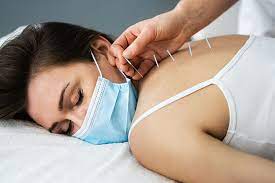
While dry needling can provide significant relief, it is most effective when combined with other therapeutic techniques like physical therapy exercises and ergonomic adjustments.
Addressing the muscle imbalances with corrective exercises is essential to ensure that the posture correction is sustainable in the long term.
Therapists often recommend exercises that strengthen the deep neck flexors and stretch the overactive muscles.
This combination of dry needling and physical therapy helps re-educate the muscles and improves the chances of achieving long-term posture correction.
Potential Side Effects of Dry Needling and What to Expect
Soreness and Discomfort After Treatment
- Post-treatment soreness is common and is usually felt in the treated area and nearby muscles.
- This discomfort typically resolves within 24 to 48 hours.
- According to UNC Health Southeastern, this soreness is a normal response as the muscles release tension and recover from the needling process (UNC Health Southeastern, 2024).
Minor Bleeding and Bruising at the Needle Insertion Site
- Some patients may experience minor bleeding or bruising where the needle was inserted.
- This occurs in about 10% of patients, with a higher risk in individuals taking blood thinners or those with delicate blood vessels.
- Denver Physical Medicine states that bruising is more likely in sensitive areas but usually fades within a few days (Denver Physical Medicine, 2024).
Temporary Fatigue or Lethargy After a Session
- Some patients report feelings of tiredness or lethargy following a dry needling session.
- This effect typically lasts for only an hour or two post-treatment.
- The University of Georgia Health Center notes that this response is due to the nervous system adjusting to the treatment (University of Georgia Health Center, 2024).
Risk of Infection Due to Non-Sterile Needles
- Infection is rare but can occur if proper sterilization procedures are not followed.
- It is essential to ensure that only single-use, sterile needles are used during the procedure.
- Verywell Health emphasizes that infections are preventable with proper hygiene and safety measures (Verywell Health, 2024).
Possibility of Nerve Irritation or Injury
- If needles are placed incorrectly, there is a risk of nerve irritation or minor nerve injury.
- This may cause temporary muscle weakness or altered sensations in the affected area.
- Structure and Function Education explains that such incidents are uncommon when dry needling is performed by a skilled practitioner (Structure and Function Education, 2024).
Rare Risk of Pneumothorax (Collapsed Lung)
- In rare cases, a needle placed too deeply in areas near the thorax may puncture the lung, leading to pneumothorax.
- This is a serious complication, though it is extremely rare when performed by a trained therapist.
- Petersen Physical Therapy highlights the importance of seeking treatment from an experienced practitioner to avoid such risks (Petersen Physical Therapy, 2024).
Importance of Staying Hydrated After Treatment
- Drinking plenty of water after dry needling can help reduce soreness and promote muscle recovery.
- Proper hydration helps flush out metabolic waste released during the needling process.
Encouraging Gentle Movement and Stretching
- Light movement and gentle stretching of the treated muscles can ease post-treatment discomfort.
- Avoiding strenuous exercise for 24 hours after the session is recommended for optimal recovery.
Monitoring for Adverse Reactions
- While serious side effects are uncommon, patients should watch for persistent swelling, unusual pain, or signs of infection.
- Any concerning symptoms should be reported to a healthcare provider.
Ensuring That the Practitioner is Certified
- Before undergoing dry needling, it is essential to verify the credentials of the therapist performing the procedure.
- Certified practitioners follow safety protocols and proper needling techniques to minimize risks.
Dry needling is generally a safe and effective treatment for musculoskeletal pain. However, being aware of possible side effects and following post-treatment care recommendations can help optimize recovery. Consulting a qualified and experienced professional ensures the safest and most beneficial treatment experience.
FAQs on Needle Therapy to Fix Anterior Head Translation:
Is Needle Insertion Therapy the Solution to Forward Head Posture?
So, can needle insertion therapy fix forward head posture?
The answer is yes, but with caveats.
While dry needling can provide significant relief from muscle tightness and help correct muscle imbalances contributing to forward head posture, it is not a standalone solution. It works best when combined with physical therapy exercises, ergonomic changes, and lifestyle adjustments that promote better posture habits.
Needle insertion therapy offers a targeted, effective approach to treating the muscle dysfunctions associated with forward head posture, but lasting results come from a comprehensive plan that addresses both the symptoms and the root cause of the problem.
If you are dealing with chronic neck and shoulder tension due to forward head posture, dry needling may be an excellent addition to your treatment plan.
References: