
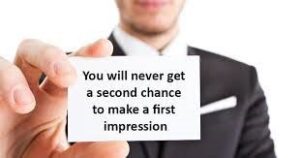
First impressions are formed in seconds, often before a single word is spoken.
In these brief moments, people rely heavily on visual and nonverbal cues.
Among these cues, posture plays a powerful and often underestimated role.
Forward head posture—where the head juts ahead of the shoulders—can subtly reshape how others perceive you.
It influences judgments about confidence, energy, trustworthiness, and even competence.
Social psychology shows that observers rapidly infer personality traits from body position alone.
These snap judgments can affect conversations, relationships, and opportunities.
This article by bestforwardheadposturefix.com explores exactly how forward head posture impacts first impressions in social encounters—without discussing solutions, only the effects.
Article Index
- Understanding First Impressions in Social Psychology
- What Is Forward Head Posture? A Visual and Behavioral Cue
- The Science of Nonverbal Communication and Posture
- How Posture Influences Perceived Confidence and Authority
- Forward Head Posture and Perceptions of Energy and Health
- Impact on Trustworthiness and Social Warmth
- Role in Professional and Workplace First Impressions
- Effects in Dating and Casual Social Interactions
- How the Brain Processes Posture Instantly
- FAQs on First Impressions in Social Encounters & iHunch
- Long-Term Social Consequences of Negative First Impressions
Understanding First Impressions in Social Psychology
First impressions are rapid, automatic judgments formed within seconds of meeting someone. Humans rely on small fragments of visual information—often called “thin slices”—to evaluate others quickly. These impressions are surprisingly strong and tend to stick, influencing how future interactions unfold.
Physical appearance and body language play a central role in this process. Even without verbal communication, people form opinions about confidence, competence, friendliness, and reliability. The brain is wired to interpret visual cues instantly, which means posture becomes one of the earliest signals observed.
Once formed, these impressions are difficult to reverse. People often interpret later behavior in ways that confirm their initial judgment, even if that judgment was based on limited information.
Because posture is visible immediately, it becomes part of the foundation for these early perceptions. Forward head posture, therefore, is not just a physical alignment issue—it becomes a social cue that influences how others categorize and respond to a person from the very beginning.
What Is Forward Head Posture? A Visual and Behavioral Cue
Forward head posture (FHP) occurs when the head extends forward in front of the shoulders instead of aligning directly above them. Visually, this creates a noticeable shift in the body’s silhouette, often accompanied by rounded shoulders and a slightly slouched upper back.
From a social perspective, this posture changes how the body is presented to others. It affects the angle of the head, the positioning of the eyes, and the overall alignment of the spine. These elements are crucial in nonverbal communication because they influence how others interpret presence and attention.
Posture is often seen as a reflection of internal states. A person standing upright is typically associated with alertness and confidence, while a forward-leaning posture may suggest fatigue or disengagement.
Forward head posture can also reduce the visual symmetry of the body, which is something people subconsciously associate with health and attractiveness. In social encounters, these subtle visual differences can significantly shape first impressions before any conversation begins.
The Science of Nonverbal Communication and Posture
Nonverbal communication includes all the signals we send without words—posture, gestures, facial expressions, and movement. Among these, posture serves as a baseline signal that influences how all other cues are interpreted.
People use posture to infer personality traits and emotional states. An open, upright posture is often linked with confidence and approachability, while a closed or slouched posture can suggest hesitation or lack of confidence.
Posture works in combination with facial expressions to create a complete impression. While the face conveys emotions, the body reinforces or contradicts those signals. For example, a smiling face paired with poor posture can create confusion or mixed perceptions.
Forward head posture disrupts this harmony. It can weaken the impact of positive facial expressions by introducing signals that suggest low energy or reduced engagement.
Because nonverbal communication is processed quickly and often subconsciously, posture becomes a powerful factor in shaping how others feel about someone almost instantly.
How Posture Influences Perceived Confidence and Authority?
Confidence is one of the most important traits people assess during first impressions. Posture plays a direct role in shaping this perception.
An upright posture with the head aligned over the shoulders is commonly associated with confidence, control, and authority. It creates a sense of presence and stability that others quickly recognize.
Forward head posture, on the other hand, reduces this sense of alignment. When the head juts forward, it can make a person appear less grounded and less self-assured. This subtle shift can lead others to perceive them as less confident, even if their behavior or speech suggests otherwise.
Authority is also influenced by posture. In many social and professional settings, people associate strong posture with leadership and competence. A misaligned posture may unintentionally signal the opposite—uncertainty or lack of assertiveness.
These perceptions form quickly and can shape how others interact, listen, and respond during the rest of the encounter.
Forward Head Posture and Perceptions of Energy and Health
Posture is closely linked to how energetic and healthy a person appears. Humans are naturally sensitive to visual cues that indicate vitality, and posture is one of the most obvious indicators.
An upright posture is often associated with alertness, enthusiasm, and physical well-being. It gives the impression that a person is engaged and ready to interact.
Forward head posture, however, can create the opposite effect. The forward tilt of the head and rounding of the shoulders may signal fatigue, stress, or low energy. Even if a person feels energetic internally, their posture may communicate something entirely different.
This perceived lack of energy can influence how others approach and interact with them. In social settings, people are often drawn to individuals who appear lively and engaged.
As a result, forward head posture can subtly reduce perceived vitality, shaping the tone and direction of the initial interaction.
Impact on Trustworthiness and Social Warmth
Trustworthiness and warmth are key components of first impressions. People instinctively evaluate whether someone seems approachable, friendly, and safe to interact with.
While facial expressions play a major role, posture also contributes to these judgments. Open and balanced postures tend to signal openness and honesty, while closed or withdrawn postures may suggest defensiveness or discomfort.
Forward head posture can influence these perceptions by altering how the head and eyes are positioned. A forward or downward head angle may reduce direct engagement, making a person seem less attentive or less open.
Additionally, posture that appears withdrawn can create a sense of distance. This may lead others to perceive the individual as less approachable or less socially warm.
In first encounters, where trust is formed quickly and often subconsciously, these subtle cues can have a meaningful impact on how a person is perceived.
Role in Professional and Workplace First Impressions
In professional environments, first impressions can influence important outcomes such as hiring decisions, promotions, and collaborations.
Body language is a major factor in these settings, and posture plays a central role. Employers and colleagues often form quick judgments about confidence, competence, and reliability based on how someone presents themselves physically.
Forward head posture can affect these perceptions by reducing the appearance of confidence and authority. It may also make a person seem less attentive or less engaged during conversations.
In roles that require leadership or communication, posture becomes even more critical. People often expect leaders to display strong, upright body language that conveys control and clarity.
When posture does not align with these expectations, it can create a mismatch between how a person is perceived and their actual abilities. This mismatch can influence opportunities and interactions in subtle but significant ways.
Effects in Dating and Casual Social Interactions
In dating and casual social settings, first impressions are formed extremely quickly—often within moments of seeing someone.
Nonverbal cues such as posture, facial expression, and body language play a dominant role in these situations. People use these cues to assess attraction, confidence, and social comfort.
Forward head posture can influence these judgments by altering how a person carries themselves. It may reduce perceived confidence and make someone appear less self-assured.
Attractiveness is also influenced by posture. Upright, balanced posture is often associated with confidence and vitality, both of which are considered appealing traits.
Additionally, posture affects approachability. Open and aligned body language tends to invite interaction, while slouched or forward-leaning posture may discourage it.
In social environments where impressions are formed quickly and often based on instinct, these factors can shape how others respond and engage.
How the Brain Processes Posture Instantly?
The human brain is designed to process social information rapidly. When encountering someone new, it quickly analyzes visual cues to make predictions about their personality and behavior.
Posture is one of the first cues the brain processes because it is immediately visible and easy to interpret. These judgments happen automatically, without conscious effort.
The brain uses posture as a shortcut to infer traits like confidence, energy, and approachability. This process allows people to make quick decisions about how to interact with others.
Forward head posture becomes part of this rapid evaluation. It can influence perception before any words are spoken, shaping the overall impression within seconds.
Because these judgments occur so quickly, they often go unchallenged. This makes posture a powerful factor in determining how someone is perceived during initial encounters.
Long-Term Social Consequences of Negative First Impressions
First impressions do not just affect initial interactions—they can have lasting effects on relationships and opportunities.
Once an impression is formed, people tend to interpret future behavior in ways that reinforce it. This means that an initial perception—positive or negative—can persist over time.
If forward head posture contributes to a negative first impression, such as appearing unconfident or disengaged, this perception may continue to influence how others respond.
In social settings, this can affect friendships, networking, and overall social dynamics. In professional contexts, it can impact career opportunities and collaborations.
These long-term effects highlight how important initial perceptions can be. Even subtle cues like posture can shape how individuals are viewed and treated over extended periods.
FAQs on First Impressions in Social Encounters & iHunch
Read through the answers to questions on forward head posture and social encounters:
Q‑1: How does forward head posture affect first impressions in social situations?
A‑1: People form initial impressions within seconds of meeting someone, relying heavily on nonverbal cues like posture. Forward head posture—where the head juts ahead of the shoulders—can make someone appear less confident or authoritative, even before they speak. Upright head alignment is generally rated as more engaging and socially approachable.
Q‑2: Does poor posture make you look less confident to others?
A‑2: Yes. Body posture strongly influences perceived confidence. A slouched or forward head position can subconsciously signal insecurity or low self-assurance, while upright posture communicates confidence, dominance, and self-control in both social and professional settings.
Q‑3: What is the impact of forward head posture on body language and perception?
A‑3: Forward head posture changes the overall body silhouette and the way facial expressions are perceived. It can reduce perceived social warmth and attentiveness, making someone seem less engaged. Even subtle shifts in head position influence how approachable, trustworthy, or dominant a person appears.
Q‑4: How does posture influence confidence and social perception?
A‑4: Posture not only affects how others perceive you but also how confident you feel internally. People with upright, aligned posture tend to feel more self-assured and appear more competent. Conversely, slouched or forward head posture can create a feedback loop where perceived insecurity reinforces low confidence.
Q‑5: Does slouching affect attractiveness and first impressions?
A‑5: Yes. Upright posture is associated with traits like energy, engagement, and vitality, which enhance perceived attractiveness. Forward head posture or slouching can diminish these impressions, making someone seem less confident and less appealing in first social encounters.
Q‑6: What are the psychological effects of forward head posture on communication?
A‑6: Forward head posture can subtly affect the way a person communicates. It may reduce vocal projection, make gestures less expressive, and give the impression of hesitation. As a result, observers may perceive the person as less confident, less persuasive, or less dynamic during conversations.
Q‑7: How does body posture affect trustworthiness in first meetings?
A‑7: People use posture to judge trustworthiness. Upright, open posture conveys openness, reliability, and attentiveness. Forward head posture or slouching can reduce eye contact and signal disengagement, making a person seem less approachable or cooperative during initial encounters.
Q‑8: Can forward head posture change professional image perception?
A‑8: Absolutely. In professional settings, posture strongly shapes impressions of competence and authority. Forward head posture can unintentionally signal low engagement, reduced confidence, or lack of authority, which may influence decisions in interviews, meetings, or workplace interactions.
Q‑9: Does bad posture make you look tired or less energetic?
A‑9: Yes. A forward head posture often appears fatigued or drained, while upright posture signals alertness, energy, and enthusiasm. In social situations, perceived low energy from poor posture can influence how others engage and respond, affecting the overall tone of the interaction.
Q‑10: What is the role of posture in nonverbal communication and social judgment?
A‑10: Posture is a critical element of nonverbal communication. People instantly interpret head and body alignment to make judgments about confidence, trustworthiness, energy, and personality. These perceptions form rapidly and often persist, shaping how others interact with a person from the very first encounter.
Conclusion
Forward head posture may appear to be a small physical detail, but its influence on first impressions is significant.
In social encounters, posture acts as a silent communicator, shaping how others perceive confidence, energy, and personality.
Forward head posture can unintentionally signal low confidence, reduced engagement, and lower vitality.
These signals are processed instantly, often before any conversation begins.
Because first impressions are formed so quickly and tend to persist, the effects of posture can extend far beyond the initial meeting.
Whether in professional, social, or casual settings, posture plays a key role in shaping interactions and outcomes.
The connection between body alignment and perception highlights how deeply nonverbal cues influence human judgment.
Understanding this relationship underscores the powerful role posture plays in defining how we are seen by others.
Recommended:
- https://pmc.ncbi.nlm.nih.gov/articles/PMC5473630/
- https://www.psychologytoday.com/us/blog/communications-that-matter/202211/how-your-posture-affects-what-people-think-of-you
- https://bestforwardheadposturefix.com/how-social-anxiety-impacts-neck-positioning/
- https://bestforwardheadposturefix.com/the-role-of-text-neck-in-influencing-body-language-in-social-interactions/
- https://bestforwardheadposturefix.com/how-forward-neck-impacts-facial-expressions-and-eye-contact/
- why trust bestforwardheadposturefix.com?
- for educational purpose only