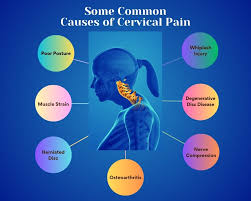
Maintaining good neck posture is not just about standing tall or looking confident — it is critical for keeping the nerves in your cervical spine functioning optimally.
When your head is not aligned correctly over your shoulders, abnormal mechanical stresses build up, potentially squeezing nerve roots and irritating the spinal cord.
Over time, this can lead to pain, numbness, weakness, and even long-term neurological issues. In today’s digital age — where hours spent on phones and computers is the norm — understanding how posture affects your neck’s nervous system has never been more important.
This article by bestforwardheadposturefix.com explores the anatomy, biomechanics, mechanisms, symptoms, and practical solutions in a friendly, conversational way — grounded in scientific evidence from highly reliable medical sources.
Points Covered in this Article
- Anatomy of the Cervical Spine
- What Is Bad Neck Posture?
- Biomechanics: How Posture Changes Stress Distribution
- Mechanisms of Cervical Nerve Compression
- Research Evidence: Forward Head Posture and Nerve Function
- Cervical Radiculopathy and Disc Changes
- Symptoms and Clinical Manifestations
- Long-Term Risks of Persistent Nerve Compression
- Prevention and Posture Improvement
- FAQs
- When to Seek Professional Care
Anatomy of the Cervical Spine
The cervical spine comprises seven vertebrae (C1 vertebrae, C2 vertebrae all the way up to to C7) located between your skull and thoracic spine.
Between each vertebra sit intervertebral discs that cushion movement and maintain spacing for nerve roots to exit the spinal column.
These peripheral nerves form pathways that control sensation and motor function in your shoulders, arms, and hands.
Nerve roots exit through small openings called neural foramina, and the spinal cord itself runs through the central canal of the vertebrae.
Proper posture helps keep these spaces sized appropriately so nerves aren’t compressed.
Any malalignment can reduce space and strain the nervous system. This structural setup makes posture and spinal alignment paramount for neurologic health.
What Is Bad Neck Posture?
The most common pathological neck posture is forward head posture (FHP) — where the head is positioned forward relative to the shoulders rather than sitting directly above them.
This tilts your head and alters the natural curvature (cervical lordosis) of the spine.
In healthy alignment, the cervical curve gently flows; in bad posture, this curve flattens or reverses, forcing compensatory changes in muscle tone and vertebral loading.
Over time, this misalignment shifts mechanical forces and increases stress on the hip joints, discs, muscles, and most importantly — nerves.
Biomechanics: How Posture Changes Stress Distribution
-
The lower cervical spine hyperflexes (bends forward) and the upper cervical spine hyperextends (bends backward):
This split movement pattern disrupts the natural cervical curve that is designed to distribute forces evenly. Instead of the spine sharing load smoothly, stress becomes concentrated at specific vertebral levels, particularly around C4–C7, where nerve roots commonly exit.
Over time, this abnormal bending pattern places excessive strain on facet joints, ligaments, and intervertebral discs, increasing the risk of irritation and degeneration.
-
These compensatory changes alter load distribution — increasing stress on tiny joints and discs in the neck:
As the head shifts forward, its weight multiplies the mechanical load on the cervical spine. This added stress compresses discs unevenly, encouraging disc bulging or height reduction.
Facet joints, which guide spinal motion, are forced to absorb forces they weren’t designed to handle continuously. The result is accelerated wear that can narrow the spaces surrounding cervical nerves.
-
To maintain a horizontal gaze, the body recruits additional muscle work, especially from deep neck flexors and extensors, increasing fatigue and altering force patterns:
Muscles that should provide subtle stabilization are forced into overdrive. Chronic overactivation leads to tightness, weakness, and poor coordination, which further destabilizes the neck and reinforces faulty posture patterns.
This mechanical imbalance alters the shape and size of neural foramina — the tunnels where nerve roots exit. As vertebrae shift and surrounding tissues tighten, these openings can narrow.
Over time, this structural narrowing directly increases the risk of nerve irritation or compression due to altered bone alignment, disc pressure, and surrounding soft-tissue tension.
Mechanisms of Cervical Nerve Compression
There are several key ways that bad posture leads to nerve compression:
Reduced Neural Foramina Space
Abnormal spinal curvature changes how vertebrae line up, narrowing the openings where nerve roots pass. This narrowing, even by a small amount, can increase pressure on nerve tissues.
Increased Disc Pressure
Forward head and flexed posture increases stress on intervertebral discs, pushing disc material backward or sideways — which can bulge into nerve paths. Herniated discs are a common consequence.
Ligament and Muscle Tension
Ligaments and muscles adapted to poor posture can tighten and compress adjacent nerves over time — similar to how scar tissue or swelling can restrict nerve gliding.
Spinal Cord Stretching
Excessive forward posture can lengthen and tension the spinal canal, placing stretch on the cord and exiting nerve roots.
These mechanisms differ in intensity from acute injury compressions seen in trauma, but chronic mechanical stress can gradually produce similar neural irritation at the microstructural level.
Research Evidence: Forward Head Posture and Nerve Function
Scientific studies show that head and neck alignment affects nerve root function. A controlled study compared individuals with forward head posture (FHP) against those with normal posture and measured nerve root responses in different sitting positions.
Findings revealed significant differences in nerve root function — particularly in C6, C7, and C8 roots — between postural groups, suggesting that posture influences neural signal transmission. These changes may compromise nerve function even without pain initially.
This provides objective evidence that poor neck alignment has measurable effects on nerve conduction and not just subjective discomfort.
Cervical Radiculopathy and Disc Changes
Cervical radiculopathy — commonly described as a “pinched nerve” — occurs when nerve roots become compressed or irritated. Typical causes include:
- Degenerative changes such as bone spur formation or disc height loss from wear and tear.
- Disc herniation, where the inner disc material protrudes and presses on nerves.
- Poor posture, which accelerates degeneration and increases mechanical stresses on discs.
Although posture alone doesn’t always cause dramatic herniations, it contributes significantly to the environment where nerve compression becomes more likely — especially combined with aging and repetitive strain.
Symptoms and Clinical Manifestations
When cervical nerves are compressed due to bad posture, symptoms can include:
- Localized neck pain
- Radiating pain into the shoulder, arm, or hand
- Numbness or tingling (paresthesia) in specific dermatomal patterns
- Weakness in arm or hand muscles
- Headaches or stiffness
Symptoms vary based on which nerve root is affected (e.g., C6 involvement may affect biceps; C7 can affect triceps). Regardless of severity, progressive symptoms warrant evaluation.
It is important to note that pain does not need to be severe to signal nerve involvement — tingling and numbness can be equally significant.

Long-Term Risks of Persistent Nerve Compression
If bad posture and nerve compression go unaddressed over months or years, several serious consequences may gradually emerge — often progressing quietly before symptoms become impossible to ignore.
Chronic Pain Syndromes:
Persistent compression and irritation of cervical nerves can cause the nervous system to become overly sensitive, a process known as sensitization.
In this state, pain signals are amplified, meaning even light movements, prolonged sitting, or mild postural strain can trigger discomfort.
Over time, the brain may begin interpreting normal sensory input as pain, turning an initially mechanical issue into a long-lasting pain condition that is harder to reverse.
Functional Weakness:
Nerves are responsible for delivering electrical signals that activate muscles. When a nerve is compressed for extended periods, this signal transmission weakens.
As a result, muscles supplied by the affected nerve roots may lose strength, coordination, and endurance.
Everyday tasks such as lifting objects, gripping items, or maintaining arm position can become increasingly difficult, sometimes without obvious pain as an early warning sign.
Cervical Spondylotic Myelopathy:
This is one of the most serious long-term outcomes of sustained cervical degeneration.
In this condition, structural changes such as disc collapse, bone spur formation, and ligament thickening compress the spinal cord itself.
Symptoms may include poor balance, hand clumsiness, gait disturbances, and in advanced cases, loss of bowel or bladder control.
While aging plays a role, poor posture accelerates these degenerative processes by placing abnormal, continuous stress on the cervical spine.
Nerve Root Ischemia:
Chronic compression can also restrict blood flow to nerve tissues, depriving them of oxygen and nutrients. This ischemia worsens nerve dysfunction and slows healing, increasing the risk of permanent damage.
Therefore, early recognition and correction isn’t just about alleviating discomfort — it is about preserving long-term neurological health and functional independence.
Prevention and Posture Improvement
Improving neck posture isn’t difficult — but it requires consistent habits:
✔ Neutral Head Position
Keep ears aligned over shoulders rather than forward. Check posture especially during sitting — the common “text neck” posture is a significant risk factor.
✔ Ergonomics
Adjust monitor height to eye level, use supportive chairs, and avoid prolonged neck flexion on phones or laptops.
✔ Movement Breaks
Take frequent breaks to stand, stretch, and reset neck alignment.
✔ Strengthening and Stretching
Focus on deep neck flexors and upper back muscles — they support proper posture. Physical therapy can tailor exercises to your needs.
✔ Mindful Awareness
Repetitive postural stress contributes to chronic changes. Awareness itself is a powerful first step toward change.
Small improvements, maintained daily, can substantially reduce mechanical stress on the cervical spine and nerves.
When to Seek Professional Care?
Consult a spine specialist or physical therapist if you experience:
- Persistent radiating pain
- Progressive numbness or weakness
- Loss of coordination
- Symptoms interfering with daily activities
Diagnostic imaging (like MRI) may be needed when conservative measures fail or when serious neurological symptoms are present.
FAQs:
Q-1: How does forward head posture cause cervical nerve compression symptoms?
A-1: Forward head posture (FHP) shifts the head ahead of the spine, increasing stress on cervical structures.
This misalignment narrows the spaces (intervertebral foramina) where nerves exit the spine. Research shows that even a 15-degree forward tilt can significantly increase cervical spine load, leading to nerve irritation.
According to the American Academy of Orthopaedic Surgeons, nerve compression symptoms—like pain, tingling, and weakness—affect millions of Americans annually, especially those with sedentary lifestyles.
Q-2: Can bad neck posture cause a pinched nerve in the neck and arm pain?
A-2: Yes, poor neck posture is a leading contributor to pinched nerves, medically known as cervical radiculopathy. In the U.S., approximately 85 per 100,000 people develop cervical radiculopathy each year.
The Cleveland Clinic explains that compressed nerves in the neck often cause radiating pain down the shoulders and arms. This occurs because cervical nerves control sensation and movement in the upper limbs.
Q-3: How is cervical radiculopathy linked to poor posture and screen use?
A-3: Prolonged screen use encourages FHP, increasing pressure on cervical discs and nerves. Americans spend an average of 7–8 hours daily on screens, which significantly raises the risk.
The Pew Research Center highlights the widespread use of digital devices, contributing to posture-related issues. Over time, this leads to disc degeneration and nerve compression, especially in the lower cervical spine.
Q-4: What are the symptoms of nerve compression in the neck due to poor posture?
A-4: Common symptoms include neck pain, tingling, numbness, and weakness in the arms or hands. Studies show that over 60% of people with chronic neck pain experience nerve-related symptoms.
The National Institutes of Health notes that these symptoms often worsen with prolonged sitting or poor ergonomics.
Q-5: Does “tech neck” cause nerve damage or cervical nerve impingement?
A-5: “Tech neck” can lead to nerve impingement over time. Repeated strain increases inflammation and reduces space for nerve roots.
Research indicates that poor posture can increase spinal stress by up to 3–4 times normal levels.
The Mayo Clinic warns that chronic cases may lead to long-term nerve irritation if not corrected early.
Q-6: How does poor posture reduce space in cervical spine nerve openings?
A-6: Poor posture compresses spinal discs and alters alignment, narrowing the foramina.
Studies show that disc pressure increases by up to 50% in forward head posture, reducing nerve space.
The Harvard Medical School explains that this mechanical compression is a key cause of nerve pain and dysfunction.
Q-7: Which cervical nerves are most commonly compressed due to bad posture?
A-7: The lower cervical nerves—particularly C5, C6, and C7—are most affected. These nerves control shoulder, arm, and hand function.
Research shows that C6 and C7 account for the majority of radiculopathy cases. The American Association of Neurological Surgeons highlights their vulnerability due to increased mechanical stress.
Q-8: How does long-term bad posture lead to cervical radiculopathy?
A-8: Over time, poor posture accelerates disc degeneration and joint wear. This leads to bone spurs and disc bulging, which compress nerves.
Studies indicate that chronic poor posture can increase the risk of cervical spine disorders by up to 40%. The Spine-health explains that early intervention can prevent progression.
Q-9: What are the signs of a pinched nerve from prolonged sitting posture?
A-9: Signs include sharp neck pain, radiating arm pain, numbness, and muscle weakness.
In the U.S., about 30% of office workers report neck pain linked to prolonged sitting. The Centers for Disease Control and Prevention emphasizes the importance of movement breaks to reduce risk.
Q-10: How does spinal misalignment from posture affect cervical nerve roots?
A-10: Misalignment shifts pressure unevenly across the spine, compressing nerve roots. This disrupts normal nerve signaling, leading to pain and dysfunction.
Research shows that correcting posture can improve nerve function by 20–30%. The American Physical Therapy Association supports posture correction as a primary treatment strategy.
Q-11: Can forward head posture cause nerve pain radiating to shoulders and arms?
A-11: Yes, nerve compression often causes radiating pain, known as radicular pain. Studies show that over 50% of individuals with FHP experience radiating symptoms.
The Johns Hopkins Medicine notes that this pain follows the path of affected nerves, often extending into the arms.
Q-12: Can poor posture cause tingling and numbness in hands and fingers?
A-12: Absolutely. Nerve compression disrupts sensory signals, causing tingling or numbness. Research indicates that nerve-related symptoms affect up to 20% of adults with chronic neck issues.
The National Institute of Neurological Disorders and Stroke explains that these symptoms should not be ignored, as they may indicate nerve damage.
Q-13: How does posture-related disc pressure compress cervical nerves?
A-13: Poor posture increases pressure on intervertebral discs, causing them to bulge or herniate. This directly compresses nearby nerves.
Studies show that disc pressure can rise by up to 60% in poor posture positions. The Spine Journal highlights the link between disc health and nerve compression.
Q-14: What is the difference between muscle pain and nerve pain in bad neck posture?
A-14: Muscle pain is usually dull and localized, while nerve pain is sharp, radiating, and often accompanied by tingling or numbness.
Research shows that nerve pain is more likely to spread beyond the neck, affecting arms and hands. The Cleveland Clinic emphasizes accurate diagnosis for effective treatment.
Q-15: How can cervical nerve compression caused by poor posture be relieved?
A-15: Relief involves posture correction, physical therapy, and ergonomic adjustments. Studies show that targeted exercises can reduce symptoms by 50–70% within 8–12 weeks.
The World Health Organization recommends regular physical activity and proper ergonomics to prevent and manage nerve compression.
Free Tip of the Day:
Bad neck posture doesn’t just cause discomfort—it can compress cervical nerves, leading to serious symptoms.
The encouraging part is that with timely intervention, posture correction, and consistent habits, most cases can be effectively managed and even reversed.
Conclusive Analysis
Understanding how bad neck posture compresses cervical nerves begins with appreciating the delicate anatomy and biomechanics of the cervical spine.
Poor posture — especially forward head positioning — alters how forces traverse the neck, changes spinal alignment, and narrows the spaces where nerves pass. Research shows that these postural changes measurably affect nerve function, not just pain levels.
Over time, sustained poor posture contributes to degenerative changes like disc herniation and cervical radiculopathy — conditions that can diminish sensation, strength, and overall neurologic health.
The good news is that posture is modifiable: neck alignment, workplace ergonomics, targeted yoga exercise, and mindful movement can redefine the mechanical environment for spinal nerves.
Addressing posture early and consistently creates a positive feedback loop — reducing nerve stress, lowering pain risk, and preserving long-term function.
If symptoms persist despite lifestyle changes, professional evaluation ensures that more serious structural issues are not overlooked.
Ultimately, your daily posture choices shape not only how you look but how your nervous system thrives.
References: