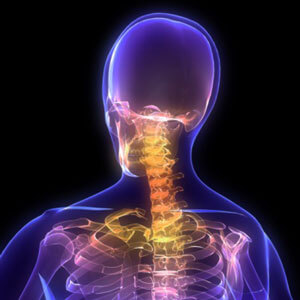
The spine plays a crucial role not just in providing structural support but also in serving as the main communication highway between the brain and the rest of the body.
The spinal cord, housed within the vertebral column, transmits essential nerve signals that control movement, sensation, and organ functions.
When the spine is properly aligned, these signals flow smoothly, supporting optimal body function. However, spinal misalignment can disrupt this communication, leading to a variety of symptoms and health issues.
Grasping how misalignment interferes with brain-to-body communication highlights the importance of maintaining spinal health and exploring corrective treatments.
This article by bestforwardheadposturefix.com delves into the relationship between spinal alignment and nervous system function, explaining how misalignments disrupt neural communication, reviewing scientific evidence, and offering practical advice on prevention and treatment.
By the end, you would understand why spinal alignment is key to overall well-being.
Anatomy of the Spine and Nervous System
Understanding how spinal misalignment affects communication begins with knowing the spine’s structure and its connection to the nervous system.
The vertebral column consists of 33 bones called vertebrae, divided into cervical (neck), thoracic (mid-back), lumbar (lower back), sacral, and coccygeal regions.
These vertebrae protect the spinal cord, which extends from the brainstem down through the spine, acting as a conduit for nerve signals.
The spinal cord carries motor commands from the brain to muscles and sensory information from the body back to the brain.
Spinal nerves branch out between vertebrae, innervating specific body regions and controlling movement and sensation.
For instance, nerves exiting the cervical spine regulate the head, neck, shoulders, and arms, while lumbar nerves serve the legs, bladder, and bowel.
Intervertebral discs between vertebrae act as shock absorbers, allowing flexibility and spacing that prevent nerve compression.
Ligaments and muscles support and stabilize the spine, maintaining its natural curves: cervical and lumbar lordosis (inward curves) and thoracic kyphosis (outward curve).
When these curves are balanced, the spine provides protection and support, enabling smooth nerve signal transmission.
What is Spinal Misalignment?
Spinal misalignment, often referred to as vertebral subluxation, occurs when vertebrae shift from their proper position.
This can happen due to trauma such as falls or car accidents, repetitive strain from poor posture, or even chronic muscle tension caused by stress.
For example, prolonged forward head posture while working at a computer can cause cervical misalignment, leading to nerve irritation.
Such shifts can cause abnormal joint movement and uneven pressure on discs and nerves.
A misaligned vertebra may compress a spinal nerve or narrow the openings through which nerves exit the spine, leading to pain, numbness, or muscle weakness.
Muscle spasms often accompany misalignments as the body attempts to protect the affected area, causing stiffness and discomfort.
It is important to note that misalignments may initially be asymptomatic, meaning many people are unaware of them until symptoms worsen or neurological issues develop.
How Brain-to-Body Communication Works?
Brain-to-body communication is an intricate process governed by the nervous system.
The brain sends electrical impulses via the spinal cord and peripheral nerves to instruct muscles to contract and organs to function.
Sensory nerves carry information such as touch, temperature, and pain back to the brain for interpretation.
This two-way communication enables rapid responses to stimuli—such as pulling your hand away instantly when touching something hot.
The spinal cord acts as a relay center, prioritizing critical signals and filtering less urgent ones to maintain efficiency.
The vertebrae protect this vital pathway. When aligned correctly, nerves exit the spinal column unobstructed, allowing signals to pass freely.
Misalignment can cause narrowing of the spinal canal or foramina (the nerve passageways), compressing nerves and disrupting signal flow.
This is similar to a kink in a garden hose restricting water flow—the nerves cannot transmit messages effectively, resulting in impaired communication between the brain and body.
Impact of Spinal Misalignment on Neural Pathways
Misaligned vertebrae can pinch, irritate, or compress spinal nerves or the spinal cord itself, significantly impacting nerve signal transmission.
The effects vary depending on the location of the misalignment and the nerves involved.
For example, a cervical spine misalignment can affect nerves controlling the diaphragm, heart, and lungs, potentially causing symptoms like shortness of breath, irregular heartbeat, or tension headaches due to compromised nerve function.
Thoracic misalignment may influence nerves regulating digestive organs, contributing to issues such as acid reflux or constipation.
Lumbar misalignments often cause sciatica—a sharp, shooting pain radiating down the leg—as well as bladder or bowel control problems.
Since nerves control muscle tone and organ function, spinal misalignment can lead to a cascade of seemingly unrelated symptoms.
Chronic nerve compression also triggers inflammation, which further damages nerves and slows conduction. Over time, untreated nerve irritation can cause permanent nerve damage and loss of function.
Scientific studies have also highlighted that nerve interference from spinal misalignment can dampen the immune system, reducing the body’s ability to heal and fight infections.
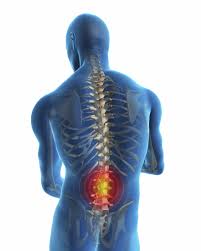
Common Symptoms Linked to Spinal Misalignment
Symptoms of spinal misalignment are diverse and depend on the severity and location. Pain is often the first sign but may radiate to other body parts due to nerve involvement.
For instance, cervical misalignment might cause headaches, dizziness, or tingling in the hands, while lumbar problems may cause lower back pain and numbness or misalignment in the legs.
Other symptoms include muscle spasms, stiffness, reduced range of motion, fatigue, and balance issues.
Because spinal nerves also control involuntary functions, digestive disturbances, irregular heartbeats, and breathing difficulties can also occur.
Radiating pain along nerve pathways, such as sciatica, is a hallmark symptom of nerve compression caused by misalignment.
Symptoms often worsen with specific movements or prolonged postures.
The wide variety of symptoms can make diagnosis challenging, underscoring the need for comprehensive evaluation by a healthcare professional.
Scientific Evidence Supporting the Connection
Growing scientific evidence supports the link between spinal alignment and nervous system function.
Studies measuring nerve conduction and reflex responses have shown that spinal misalignment impairs nerve signal transmission.
For example, research published in the Journal of Manipulative and Physiological Therapeutics found that chiropractic adjustments improved nerve function and reduced pain in patients with vertebral subluxations.
Another study in Spine journal observed that correcting spinal misalignment enhanced autonomic nervous system balance, improving heart rate variability, an important indicator of cardiovascular health.
Animal studies further demonstrate that spinal misalignments alter nerve excitability and provoke inflammatory responses, confirming the physiological impact beyond mechanical dysfunction.
While some skepticism persists in mainstream medicine regarding broader chiropractic claims, the neurological consequences of spinal misalignment are increasingly recognized, especially when combined with physical therapy and other treatments.
Treatment Options to Restore Alignment
Effective treatment aims to restore spinal alignment, relieve nerve pressure, and reestablish normal brain-to-body communication.
Chiropractic care is among the most common interventions, involving manual adjustments to reposition vertebrae, improve joint mobility, and reduce nerve irritation.
Physical therapy complements chiropractic adjustments by strengthening the core and back muscles that support proper spinal posture, reducing the risk of future misalignment.
Therapeutic massage helps relieve muscle spasms and improves circulation around affected areas.
In some cases, traction therapy gently stretches the spine to decompress nerves. For severe conditions like herniated discs or spinal stenosis causing nerve compression, surgical intervention may be necessary to correct structural issues.
Personalized treatment plans based on thorough spinal and neurological assessments optimize outcomes, addressing both symptoms and underlying causes.
Preventive Measures and Lifestyle Tips
Preventing spinal misalignment is crucial for maintaining efficient brain-to-body communication.
Practicing good posture—keeping the head aligned over the shoulders and the shoulders over the hips—reduces undue spinal stress. Ergonomic work environments with supportive chairs and desks encourage healthy posture habits.
Regular physical activity, especially exercises that strengthen core and back muscles like swimming, yoga, or Pilates, supports spinal stability and flexibility.
Avoiding prolonged sitting or static positions by taking frequent breaks to stand and stretch helps prevent stiffness and misalignment.
Maintaining a healthy weight reduces mechanical stress on the spine, while quitting smoking improves blood flow and supports disc health.
Regular spinal assessments, especially when experiencing pain or neurological symptoms, can detect early misalignments.
Taking these proactive steps helps protect your spine and supports overall nervous system function.
Takeaway
Spinal misalignment compromises the vital communication network between the brain and body by interfering with nerve pathways.
This disruption can manifest in a broad spectrum of symptoms—ranging from localized pain to autonomic dysfunction—highlighting the spine’s essential role in health.
Scientific studies confirm the neurological impact of misalignment and demonstrate the benefits of corrective treatments like chiropractic care and physical therapy.
By understanding the connection between spinal alignment and nervous system function, individuals can take proactive steps such as practicing good posture, exercising regularly, and seeking professional care to maintain spinal health.
Early diagnosis and treatment are key to preserving nerve function and ensuring the body’s complex systems work harmoniously.
Ultimately, caring for your spine means supporting your body’s essential communication network, promoting better health, mobility, and quality of life.
References: